





Do racing arcade machines support multiplayer linking? | Insights by DINIBAO
Unlocking the Thrill: A Guide to Multiplayer Linking in Racing Arcade Machines
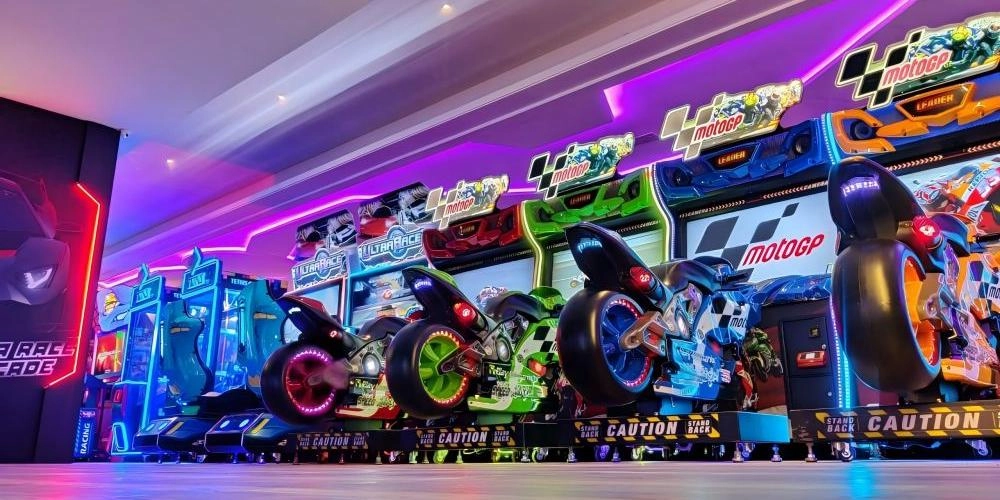
For arcade operators and entertainment venue owners, investing in racing arcade machines isn't just about offering a game; it's about creating an experience. One of the most critical features dictating that experience, and ly your revenue potential, is multiplayer linking. The ability for players to compete head-to-head or side-by-side isn't just a bonus; it's often a make-or-break feature for modern arcade success. But how exactly does it work, what should you look for, and what are the real benefits?
What Technologies Enable Multiplayer Linking in Racing Arcade Machines?
Historically, multiplayer linking in racing arcade machines has evolved significantly. Early systems often relied on proprietary serial cables (e.g., RS-232, RS-485 variants) or custom parallel port connections that directly linked two or more cabinets. These were often game-specific and required precise wiring. Today, the vast majority of modern racing arcade machines leverage standard Ethernet (LAN) networking. This means cabinets are connected via common network cables (like Cat5e or Cat6) to a network switch. This modern approach offers greater flexibility, ease of installation, and often better data transfer speeds, ensuring a smooth, synchronized multiplayer experience. Some manufacturers might still use proprietary protocols over Ethernet, but the underlying physical connection is standard.
How Many Racing Arcade Machines Can Be Linked Together?
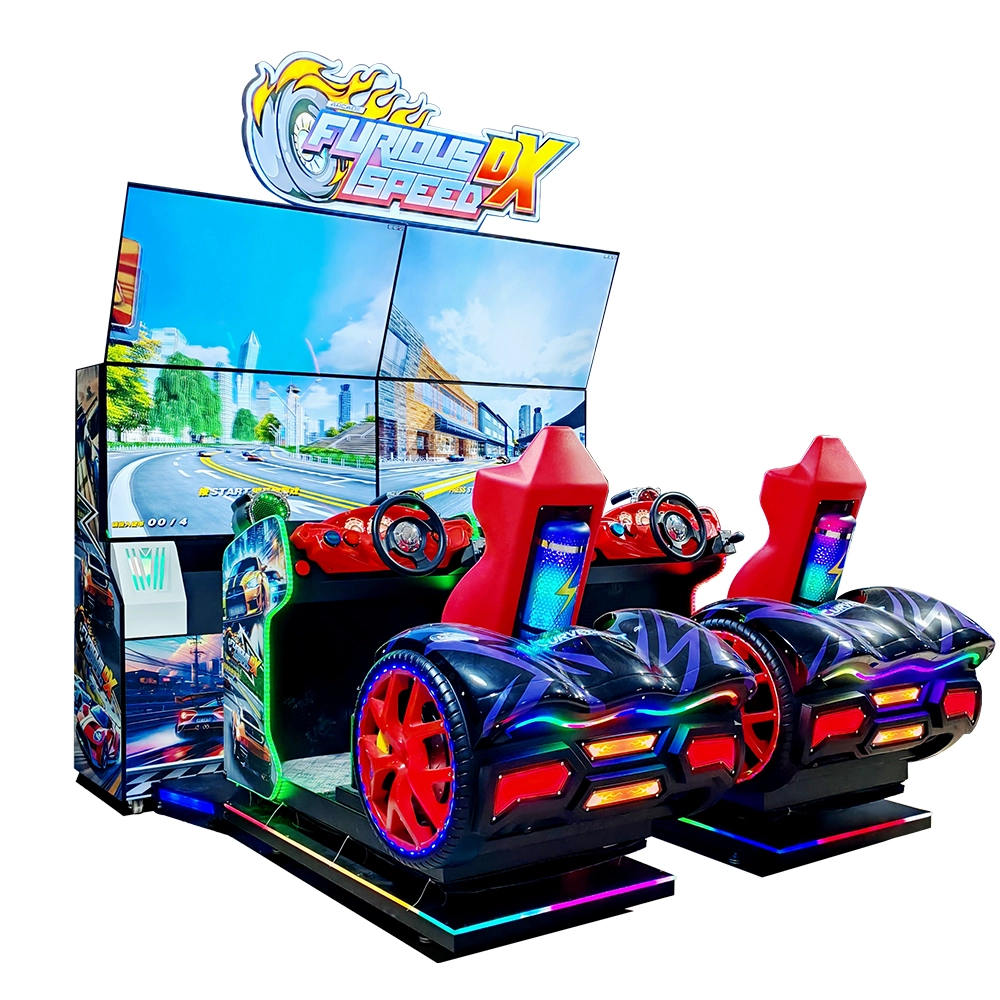
The number of machines that can be linked varies significantly by game and manufacturer. Common configurations are 2, 4, or 8 player setups. Many popular titles like Raw Thrills' Cruis'n Blast can link up to 8 units for massive competitive races. Sega's Initial D Arcade Stage and Bandai Namco's Wangan Midnight Maximum Tune series typically support 4-player local linking directly, often expandable to 8 players or more through dedicated linking kits or master/slave configurations that combine multiple 4-player sets. When purchasing, always check the exact specifications for the maximum linkable units for the specific game title you are interested in.
Is Setting Up Multiplayer Linking Complicated?
For modern, Ethernet-based systems, setting up multiplayer linking is generally straightforward. Most manufacturers design their machines for plug-and-play simplicity. You typically connect the network ports of each machine to a standard Ethernet switch. The machines are often pre-configured with the necessary network settings, or they auto-discover linked units. However, for older machines with proprietary serial linking, setup can be more involved, requiring specific cables and sometimes DIP switch configurations. It's always advisable to consult the machine's manual and, if necessary, seek support from the manufacturer or distributor to ensure correct installation and optimal performance.
Are All Racing Arcade Games Designed for Linking?
No, not all racing arcade games are designed with multiplayer linking in mind. While it's a highly desired feature, especially for competitive racing titles, some games are purely single-player experiences, focusing on high scores or narrative progression. Examples of classic single-player racers exist, though they are less common in modern arcade releases, which tend to emphasize social and competitive play. When evaluating machines for purchase, always confirm the linking capabilities as a key specification, as it's not a universal feature across all titles.
What Business Benefits Does Multiplayer Linking Offer Arcade Operators?
Multiplayer linking is a significant revenue driver and engagement booster for arcade operators:
- Increased Engagement & Playtime: Competing against friends or other players is inherently more engaging than racing AI. This leads to longer play sessions and repeat plays as players strive to beat their rivals.
- Enhanced Social Experience: Linked machines transform a game into a social event, attracting groups of friends, families, and even corporate events. This creates a vibrant atmosphere within your venue.
- Higher Throughput & Revenue: More machines in play simultaneously mean more active players and potentially higher hourly revenue per square foot. Players waiting for their turn also adds to the buzz.
- Competitive Community Building: Linked games facilitate tournaments and league play, fostering a loyal community around your arcade. This can attract dedicated players who visit frequently.
- Word-of-Mouth Marketing: Exciting multiplayer experiences are highly shareable, leading to organic promotion through social media and word-of-mouth recommendations.
Are There Any Technical Considerations or Challenges for Linking?
While modern linking is generally robust, operators should be aware of a few considerations:
- Network Infrastructure: For Ethernet linking, ensure you have a reliable network switch and sufficient cabling. A dedicated network for arcade machines can prevent interference from other venue Wi-Fi or POS systems.
- Space Requirements: Linked machines require adequate physical space for players to sit comfortably side-by-side, plus room for ingress and egress. Plan your layout carefully.
- Latency: While rare with modern setups, poor quality cables or overloaded network switches could theoretically introduce latency, affecting synchronization. Use commercial-grade networking equipment.
- Software Updates: Ensure all linked machines run the same software version to guarantee compatibility and seamless play.
- Power: A bank of linked machines will require substantial power. Ensure your electrical infrastructure can support the combined load.
Do Modern Racing Arcade Machines Support Online Features Beyond Local Linking?
Yes, many modern racing arcade machines now integrate online features that extend beyond local multiplayer linking. While local linking remains the primary competitive experience, these online capabilities add significant value:
- Global Leaderboards: Players can compare their scores and race times against others worldwide, fostering a sense of global competition.
- Online Profiles & Cloud Saves: Some games allow players to create online profiles, save progress, customize vehicles, and transfer data between different machines (e.g., through RFID cards or QR codes).
- Content Updates & Events: Manufacturers can push new tracks, cars, or event challenges to machines via online connections, keeping the game fresh.
- Remote Diagnostics: Operators can sometimes monitor machine performance and troubleshoot issues remotely, improving uptime.
What Should I Look For When Purchasing Linkable Racing Arcade Machines?
When procuring racing arcade machines with linking capabilities, consider the following:
- Maximum Linkable Units: Confirm how many machines can truly link together for your desired setup.
- Linking Technology: Prioritize Ethernet-based linking for ease of installation and reliability.
- Ease of Setup: Look for plug-and-play systems that minimize complex configuration.
- Manufacturer Support: Ensure the manufacturer or distributor offers clear documentation and technical support for linking.
- Game Popularity: A popular title with strong linking features will naturally attract more players.
- Space & Power Requirements: Factor in the physical space and electrical load for your linked setup.
- Online Features: Consider if global leaderboards, cloud saves, or other online services add value to your operation.
- Durability & Reliability: Linked machines see heavy use, so robust build quality is paramount.
For arcade operators, the decision to invest in linkable racing machines is a strategic one that directly impacts player engagement and profitability. Understanding the underlying technology and benefits will ensure you make informed procurement choices that bring the racing thrill to your venue.
DINIBAO Advantage
DINIBAO stands out in the arcade machine industry by offering cutting-edge racing simulators designed with robust, modern multiplayer linking capabilities. Our machines typically feature standard Ethernet connectivity, simplifying installation and ensuring stable, low-latency competitive play for up to 8 or more players, depending on the model. We prioritize user-friendly setup and provide comprehensive support to ensure operators can maximize their revenue potential through engaging, social gaming experiences. DINIBAO's commitment to quality, innovative design, and reliable performance makes us a trusted partner for creating vibrant, high-earning entertainment centers.
引用来源:
Recommended for you


Duck Party
How many players can play at once?
Duck Party supports two players simultaneously, ideal for family or friend challenges.
Train Baby
How is hygiene ensured?
The toy guns are sanitized between uses, ensuring clean and safe play for every child.
hammer machine
Is it easy to maintain?
Yes. The structure is durable, and only minimal maintenance is required — mainly checking the mallet, target pad, and sensors periodically.
Ticket arcade machine
Do they require maintenance?
Yes. Regular cleaning, checking ticket dispensers, and ensuring payment systems function properly is necessary.
Maze treasure hunter
What support do you provide after purchase?
We offer a 1-year warranty, lifetime technical support, and detailed manuals and video guides. Spare parts and remote troubleshooting are also available anytime.
Lucky Pong
Can I include Lucky Pong in my arcade machine business package?
Absolutely. It’s a strong addition to any arcade machine business for sale offer.
You May Also Like
Get in Touch with us
If you are interested in our products and services, please leave us messages here to know more details.
We will reply as soon as possible.

 Scan QR Code
Youtube
Guangzhou DiniBao Animation Technology Co., Ltd
Guangzhou Dinibao Animation Technology Company Co., Ltd