








Which payment systems boost arcade revenue per play?
Maximizing Arcade Revenue: Key Insights and Strategies
Arcade businesses are continually seeking ways to enhance profitability and customer engagement. Understanding the factors that influence revenue per play is crucial for operators aiming to optimize their operations. Below are key insights and strategies to maximize arcade revenue.
1. What Are the Primary Revenue Streams for Arcades?
Arcades generate income through various channels:
Game Play & Ticket Redemption (40% of Total Revenue): This includes revenue from token/card systems for all arcade and prize games.
Food & Beverage (20% of Total Revenue): Offering snacks, drinks, and meals can significantly boost revenue, with high-margin items like fountain sodas and pizza being particularly profitable.
Events & Parties (15% of Total Revenue): Hosting corporate events, birthday parties, and private rentals can add substantial income, often with high profit margins.
Merchandise & Prize Sales (10% of Total Revenue): Selling branded items and prizes contributes to overall earnings.
High-Quality Experiences (10% of Total Revenue): Investing in VR simulators and motion rides can attract customers willing to pay premium prices.
2. Which Payment Systems Boost Arcade Revenue Per Play?
Implementing efficient payment systems can enhance revenue:
Cashless Payment Solutions: Utilizing card or mobile-based systems streamlines transactions and reduces downtime associated with coin jams.
Membership and Subscription Models: Offering memberships or play credits can encourage repeat visits and higher spending per visit.
Dynamic Pricing Strategies: Adjusting prices based on peak and off-peak hours can optimize revenue.
3. How Do Game Types Affect Revenue Per Play?
Different game types contribute variably to revenue:
Redemption Games: Games like claw machines and ticket-based games can account for over 50% of total game revenue in family-focused centers.
Social, Multi-Player Games: Games that allow multiple players, such as four-player action games, often generate more income due to group spending.
Immersive Attractions: High-cost games like VR experiences can command premium prices and attract dedicated players.
4. What Are Effective Pricing Strategies for Arcades?
Implementing strategic pricing can boost revenue:
Standard Pricing: Charging $0.50 to $2.00 per play, with $1.00 being common for most machines.
Premium Pricing: Charging $1.50 to $2.00 per play for high-end experiences like VR simulators.
Bulk Credit Packages: Offering packages that provide bonus credits can encourage higher upfront spending.
5. How Does Location Impact Arcade Revenue?
The arcade's location significantly affects its revenue:
High-Traffic Areas: Arcades in shopping malls or tourist districts can exceed average revenue benchmarks by 20 to 40 percent.
Suburban or Lower-Traffic Venues: These may experience lower revenue, emphasizing the importance of location selection.
6. What Are the Key Operational Expenses for Arcades?
Understanding operational costs is vital for profitability:
Rent: A significant fixed cost, varying based on location and size.
Staff Wages: Costs associated with hiring and maintaining staff.
Maintenance Costs: Regular upkeep of machines to prevent breakdowns.
Utilities and Marketing: Expenses for utilities, marketing efforts, and administrative costs.
7. How Can Arcades Diversify Revenue Streams?
Diversifying income sources can enhance profitability:
Skill-Based Games and eSports Tournaments: Attract competitive players and spectators, generating revenue through entry fees and sponsorships.
Advertising and Sponsorships: Partnering with local businesses for cross-promotions and advertising opportunities.
Leasing Space and Partnerships: Collaborating with complementary operators or retail centers for revenue-sharing arrangements.
8. How Do Arcades Achieve Profitability?
Achieving profitability involves:
Revenue Mix Management: Balancing high-margin revenue streams like game play and food & beverage sales.
Operational Efficiency: Controlling costs related to rent, staff wages, and maintenance.
Customer Engagement: Implementing loyalty programs and offering diverse experiences to attract and retain customers.
Conclusion: The Advantages of DINIBAO
DINIBAO offers comprehensive solutions for arcade operators, including a diverse range of high-quality machines, strategic guidance on revenue diversification, and support in implementing effective operational practices. Partnering with DINIBAO can enhance your arcade's profitability and customer satisfaction.
Sources:
Recommended for you


Super Snail
Is this arcade machine safe for kids?
Yes, it has a stable base, safety handles, and controlled gameplay designed for children.
Cyberpunx
Can Cyberpunx be customized?
Yes, we offer theme, sound, and light customization to match your venue.
Train Baby
How is hygiene ensured?
The toy guns are sanitized between uses, ensuring clean and safe play for every child.
Parkour machine
Is it suitable for kids?
Yes! It features simple joystick or button controls and colorful cartoon graphics, making it perfect for children and family entertainment centers.
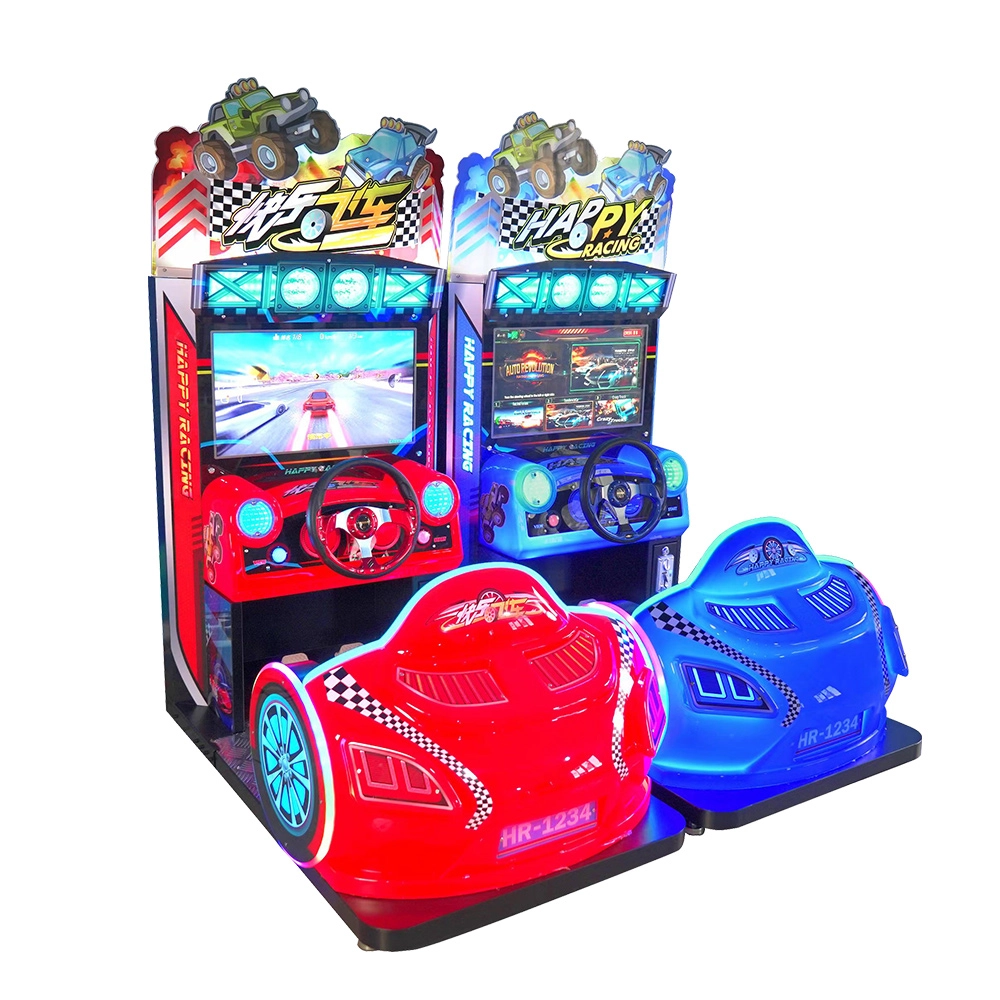
Happy Racing
What is the warranty period for Happy Racing?
Happy Racing comes with a 12-month warranty, covering both parts and labor.
Hit The Clown
Is Hit The Clown suitable for young children?
Yes, it uses soft balls and is completely safe for kids under supervision.
You May Also Like
Get in Touch with us
If you are interested in our products and services, please leave us messages here to know more details.
We will reply as soon as possible.

 Scan QR Code
Youtube
Guangzhou DiniBao Animation Technology Co., Ltd
Guangzhou Dinibao Animation Technology Company Co., Ltd