





What licensing and regulations affect arcade operators?
Operating an arcade business in the United States involves navigating a complex landscape of licenses, permits, and regulations. Understanding these requirements is crucial for ensuring legal compliance and the successful operation of your arcade.
1. What are the primary licenses and permits required to operate an arcade?
To legally operate an arcade, you typically need the following:
Business License: Registers your business with local authorities, granting you the right to operate.
Zoning and Use Permits: Ensures your chosen location is designated for commercial or entertainment use.
Amusement Device Permits: Specific to operating arcade machines, often requiring inspections to meet safety standards.
Fire Safety Permits: Verifies compliance with fire safety codes, including proper exits and equipment.
Health Permits: If serving food or beverages, ensures adherence to health and sanitation standards.
These requirements can vary by state and municipality, so it's essential to consult local regulations.
2. How do zoning laws affect arcade operations?
Zoning laws dictate where certain types of businesses can operate. Arcades must be located in areas zoned for commercial or entertainment use. For example, in San Diego, CA, arcades with six or more amusement machines must obtain a special permit and cannot be within 300 feet of a school.
3. Are there specific regulations for operating amusement devices like claw machines?
Yes, regulations for amusement devices vary by state and locality. Some states require registration and display of decals for each machine, while others have prize value caps or specific licensing for operators. For instance, Texas requires a $60 occupation-tax decal per machine, renewed annually.
4. What insurance coverage is necessary for an arcade business?
Arcade owners should consider the following insurance policies:
General Liability Insurance: Protects against claims of bodily injury or property damage.
Property Insurance: Covers damage to the arcade's physical assets.
Workers' Compensation Insurance: Mandatory in many states if you have employees, covering work-related injuries.
These policies help mitigate risks and are often required by landlords or lenders.
5. Are there age restrictions for arcade patrons?
Age restrictions can vary based on the type of games offered and local laws. Some jurisdictions may impose age limits for certain machines, especially those involving skill-based prizes or higher-value rewards. It's important to check with local gaming authorities to ensure compliance.
6. How often should arcade machines be inspected?
Regular inspections are essential for safety and compliance. Many venues perform daily visual checks and schedule formal inspections—covering electrical, mechanical, and safety aspects—monthly or quarterly, depending on manufacturer guidelines and local regulations.
7. Can I host tournaments and charge entry fees in my arcade?
Hosting tournaments and charging entry fees is possible but may trigger gambling or lottery regulations. To comply, structure tournaments as skill-based competitions and verify rules with local regulators to ensure adherence to applicable laws.
8. What are the consequences of non-compliance with arcade regulations?
Non-compliance can lead to fines, forced closures, and potential legal action. Ensuring all licenses, permits, and regulations are properly addressed is crucial for the longevity and success of your arcade business.
Conclusion
Navigating the regulatory landscape of the arcade industry requires careful attention to various licenses, permits, and local laws. By staying informed and compliant, you can establish a successful and legally sound arcade business.
DINIBAO offers comprehensive solutions for arcade center operations, including certified machines, turnkey arcade center solutions, and project consulting. Our team provides market research, theme and décor design, equipment lists compliant with local regulations, and operational support to ensure your arcade center opens smoothly and legally.
References:
U.S. Small Business Administration (SBA) — business registration and permits
Internal Revenue Service (IRS) — EIN and tax requirements (United States)
National Fire Protection Association (NFPA) — fire safety standards
Occupational Safety and Health Administration (OSHA) — workplace safety (United States)
Performing rights organizations: BMI, ASCAP, SESAC, PRS — music licensing
UK Gambling Commission — prize and gaming regulation (United Kingdom)
General Data Protection Regulation (GDPR) and national privacy regulators (European Union)
Local municipal planning and building authorities — zoning and occupancy rules
Recommended for you


Monster Smash
Where can I buy replacement parts for Monster Smash?
Replacement parts can be purchased directly through our official distributor network or by contacting our customer service team.
Air hockey machine
Does the machine have a scoring system?
Yes. Most air hockey arcade machines feature a digital LED scoreboard that automatically tracks points for each player.
Hit The Clown
Can the ticket payout be adjusted?
Yes, operators can set different ticket rewards based on venue needs.
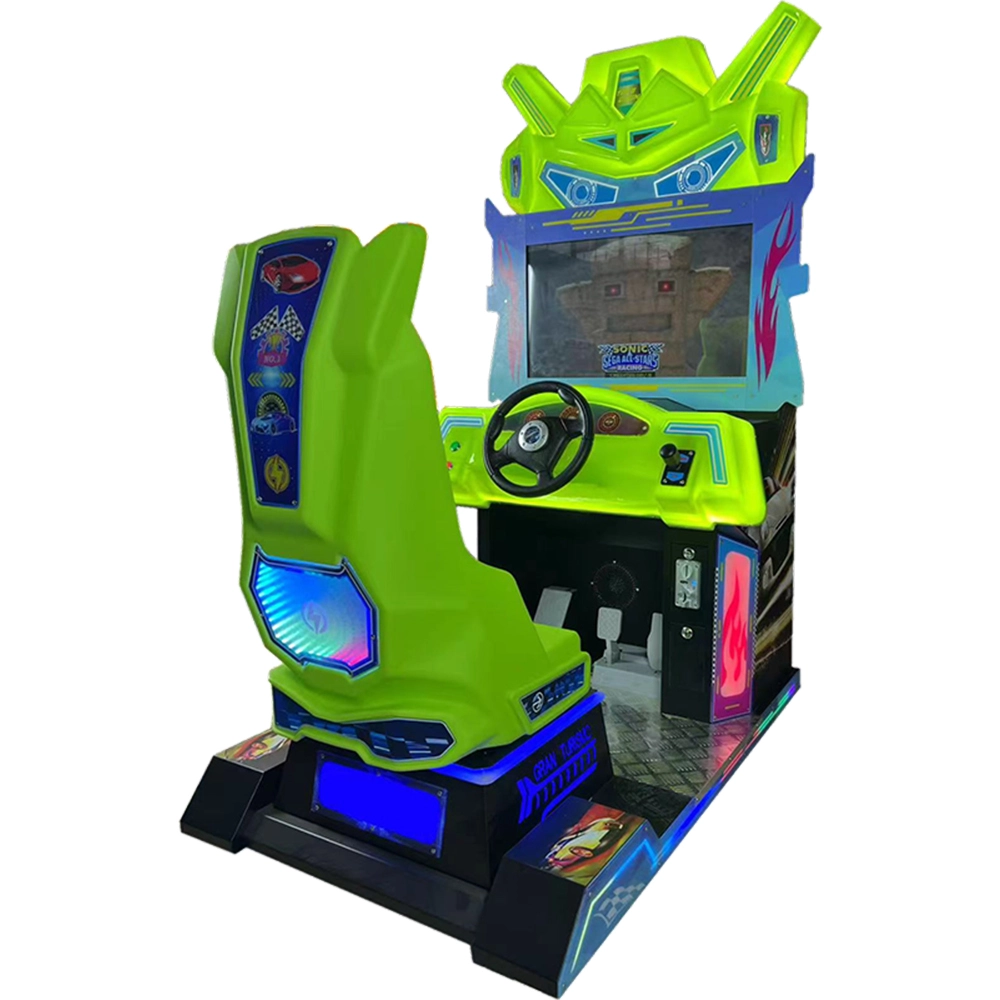
Super Speed Driving VR
What ages can play Super Speed Driving?
It is recommended for children ages 6–12 under adult supervision.
Parkour machine
Is it suitable for kids?
Yes! It features simple joystick or button controls and colorful cartoon graphics, making it perfect for children and family entertainment centers.
Happy Animo
Does it require heavy maintenance?
No, it’s low-maintenance with a strong build from trusted arcade game suppliers.
You May Also Like
Get in Touch with us
If you are interested in our products and services, please leave us messages here to know more details.
We will reply as soon as possible.

 Scan QR Code
Youtube
Guangzhou DiniBao Animation Technology Co., Ltd
Guangzhou Dinibao Animation Technology Company Co., Ltd