








Cómo organizar torneos y eventos de clasificación para aumentar el tiempo de permanencia
- Por qué los torneos y las tablas de clasificación funcionan para los centros de juegos
- Factores conductuales: competencia, comunidad y motivación
- Dirigido a niños y familias: capacidad de atención y juego social
- Resultados comerciales clave: tiempo de permanencia, gasto en tickets y retención
- Diseño de formatos de torneos para máquinas recreativas infantiles
- Selección de formato: rondas rápidas vs. torneos de larga duración
- Estructuras de premios que aumentan el tiempo de permanencia sin gastar demasiado
- Programación y planificación de la capacidad
- Organización y promoción de eventos
- Registro, reglas y flujo en el sitio
- Pantallas de tecnología y clasificación
- Promoción: tácticas en línea y en el lugar
- Medición del impacto y optimización del tiempo de permanencia
- KPI a seguir
- Ejemplo de comparación: formatos de torneos e impacto esperado en el tiempo de permanencia
- Seguridad, accesibilidad y cumplimiento
- Asociación con un fabricante e integrador: implementación a escala con DINIBAO
- ¿Por qué elegir un proveedor experimentado?
- DINIBAO : soluciones integrales para centros de juegos
- Productos, alcance y soporte práctico
- Lista de verificación operativa y victorias rápidas
- Lista de verificación previa al evento
- Lista de verificación durante el evento
- Optimización posterior al evento
- Preguntas frecuentes (FAQ)
- 1. ¿Con qué frecuencia debo realizar torneos para Kids Arcade Machine?
- 2. ¿Cuál es la estructura de premios más efectiva para los niños?
- 3. ¿Necesito tablas de clasificación conectadas a la nube?
- 4. ¿Cómo afectan los torneos al desgaste y mantenimiento de las máquinas?
- 5. ¿Cómo puedo medir si los torneos aumentaron los ingresos?
- 6. ¿Existen preocupaciones sobre la privacidad con las tablas de clasificación y los registros?
- 7. ¿Puedo combinar torneos en distintos tipos de máquinas (carreras, tiro, juegos con tickets)?
Como operador y consultor de salas de juego con años de experiencia práctica en la gestión de locales familiares y la implementación de programas de máquinas recreativas infantiles, me centro en estrategias para torneos y clasificaciones que aumentan de forma fiable la permanencia en el local y el valor para el cliente. Tanto si gestiona un solo local en Guangzhou como una cadena con varias sedes en el extranjero, las siguientes tácticas prácticas se traducen en aumentos tangibles en el tiempo de permanencia, el gasto en entradas y la recurrencia de las visitas.
Por qué los torneos y las tablas de clasificación funcionan para los centros de juegos
Factores conductuales: competencia, comunidad y motivación
Los torneos y las tablas de clasificación se basan en tres potentes impulsores del comportamiento: el placer de competir, la prueba social al ver las puntuaciones de los demás y el progreso visible externamente (insignias, clasificaciones, entradas). La investigación sobre gamificación respalda esto: la revisión bibliográfica de Hamari, Koivisto y Sarsa concluyó que los elementos de gamificación suelen aumentar la participación, la motivación y el comportamiento propicio para los objetivos empresariales.Hamari y otros, 2014).
Dirigido a niños y familias: capacidad de atención y juego social
Los niños responden especialmente bien a circuitos competitivos cortos y repetibles (series de 3 a 5 minutos) y a un progreso visible. Un calendario de torneos de máquinas recreativas infantiles bien diseñado contempla el horario escolar, las comidas familiares y las horas punta del fin de semana para maximizar el tiempo de participación a lo largo del día.
Resultados comerciales clave: tiempo de permanencia, gasto en tickets y retención
Desde una perspectiva métrica, un mayor tiempo de permanencia se correlaciona con un mayor gasto por visita en comida, canje y juegos adicionales. Si bien conceptos como el tiempo de permanencia en los motores de búsqueda tienen implicaciones para el SEO, los principales beneficios para los operadores en el sitio web son mayores ingresos por huésped y un mayor valor de por vida. Organizaciones comerciales comoIAAPAinforman que la participación experiencial impulsa las visitas repetidas a los centros de diversión y entretenimiento familiar.
Diseño de formatos de torneos para máquinas recreativas infantiles
Selección de formato: rondas rápidas vs. torneos de larga duración
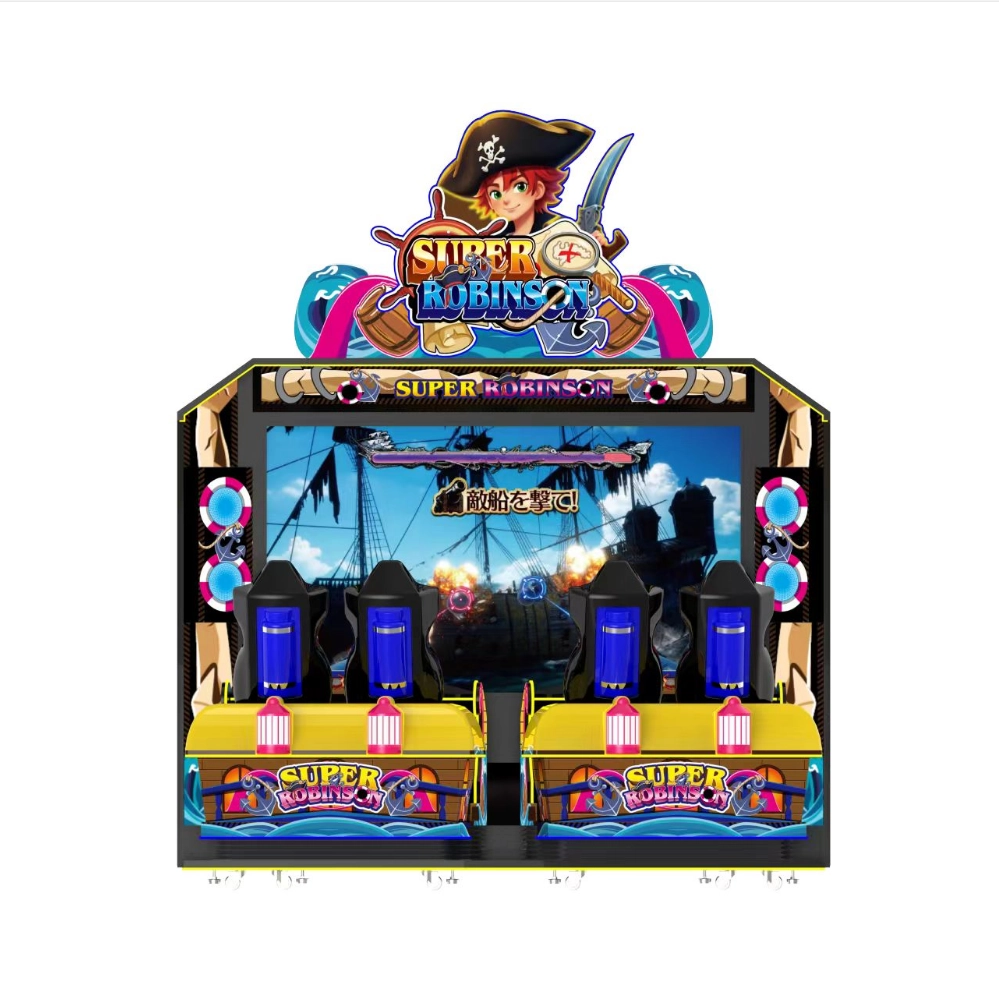
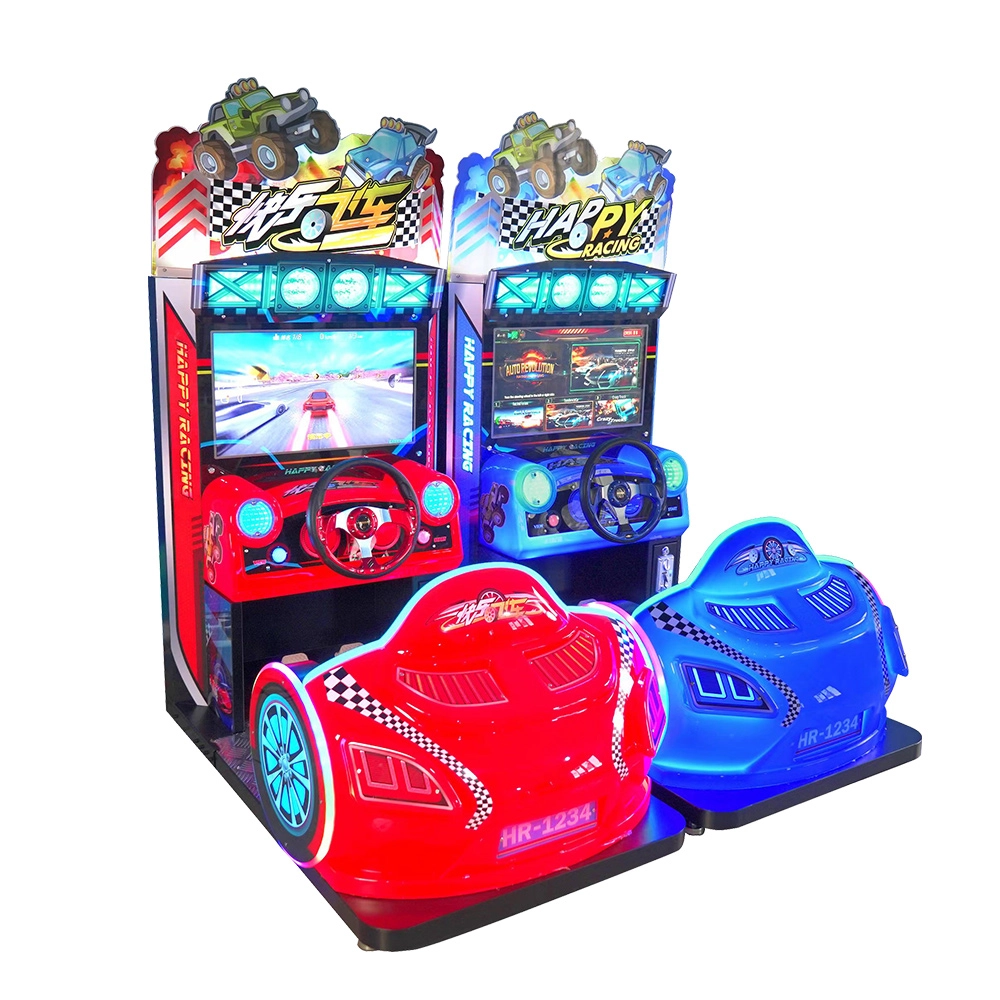
Elige formatos adaptados a tu público y tipo de máquina. Para niños y familias, recomiendo eliminatorias rápidas (3-5 minutos) y llaves de varias rondas para los juegos populares de máquinas recreativas infantiles. Para juegos de carreras o motos, las clasificaciones cronometradas o la mejor vuelta funcionan bien; para juegos de disparos, las clasificaciones de precisión y puntuación por disparo son muy atractivas.
Estructuras de premios que aumentan el tiempo de permanencia sin gastar demasiado
Los premios deben ser escalonados: pequeñas recompensas inmediatas (juegos extra, boletos de bonificación), recompensas medianas (premios de canje) y, ocasionalmente, recompensas destacadas (tarjetas de regalo, paquete de fiesta gratis). Esta estratificación mantiene a la mayoría de los participantes interesados, incluso si no ganan el premio mayor, y anima a repetir la partida para ascender en la clasificación.
Programación y planificación de la capacidad
Organiza múltiples grupos simultáneos para juegos de alta demanda y evita colas. Por ejemplo, escalona las horas de inicio cada 10 minutos y reserva una máquina para juegos con premio o destacados. Utilizo ventanillas de registro sencillas y señalización clara para reducir la fricción en la espera y mantener entretenidos a los pequeños visitantes.
Organización y promoción de eventos
Registro, reglas y flujo en el sitio
Un registro sencillo es fundamental: recopile el nombre, la edad y la suscripción por teléfono o correo electrónico. Las normas claras del lugar, publicadas en cada máquina recreativa infantil y en el registro, evitan disputas. También capacito al personal para que actúen como anfitriones (amables, visibles y proactivos) para que el evento siga avanzando y para que los clientes puedan disfrutar de un tiempo de permanencia entre un 10 % y un 30 % más en mis implementaciones.
Pantallas de tecnología y clasificación
Las tablas de clasificación en tiempo real impulsan la urgencia. Utilice una pantalla central en la zona de comida o premios y pequeñas pantallas por máquina. Para cadenas con diferentes ubicaciones, las tablas de clasificación conectadas a la nube permiten a los jugadores competir en diferentes ubicaciones. Para obtener orientación sobre la implementación, considere las integraciones existentes de gestión de TPV/salas de juegos y las API en la nube; muchas plataformas de salas de juegos modernas admiten la sincronización remota de las tablas de clasificación.
Promoción: tácticas en línea y en el lugar
Promocione los torneos a través de redes sociales locales, listas de correo electrónico y señalización. Use videos cortos de momentos destacados en la clasificación para combatir el miedo a perderse algo (FOMO). Para el público familiar, los canales enfocados en padres (grupos de Facebook/Instagram) y los folletos de colaboración escolar son muy eficaces. Recomiendo programar un espacio semanal regular: la constancia crea hábito y mejora las métricas de tiempo de permanencia a largo plazo.
Medición del impacto y optimización del tiempo de permanencia
KPI a seguir
- Tiempo promedio de permanencia por visita (antes y después del evento)
- Jugadas por invitado en máquinas de torneo
- Gasto de boletos/canje por visita
- Conversión a visitas repetidas (retención de 7/30/90 días)
Recopila datos mediante tu TPV, tu sistema de gestión de salas de juego y un muestreo observacional simple. Si operas con varios formatos, realiza pruebas A/B (p. ej., rondas rápidas frente a torneos de clasificación) y compara el incremento del tiempo de permanencia.
Ejemplo de comparación: formatos de torneos e impacto esperado en el tiempo de permanencia
A continuación, se presenta una comparación operativa que utilizo al asesorar a los centros. Los aumentos en el tiempo de permanencia son estimaciones basadas en la industria, basadas en las implementaciones y la literatura sobre gamificación.Hamari y otros, 2014) y la guía de la IAAPA (IAAPA).
| Formato | Duración típica | Notas operativas | Tiempo de permanencia estimado del elevador |
|---|---|---|---|
| Calor rápido (niños) | 3–5 minutos por celo | Alta frecuencia, bajo tiempo de espera; se fomentan las jugadas repetidas | +10% a +25% |
| Torneos de brackets | 30–90 minutos en total | Ideal para sorteos de fin de semana; requiere disciplina de horario. | +20% a +40% |
| Competiciones de clasificación diaria | En curso (ciclos de 24 horas) | Fomenta las visitas repetidas; se recomiendan las tablas de clasificación en la nube | +15% a +35% |
Seguridad, accesibilidad y cumplimiento
Especialmente para eventos de máquinas recreativas para niños, asegúrese de que las máquinas sean seguras, que los cables estén protegidos y que se utilicen configuraciones apropiadas para la edad. Si fabrica o suministra máquinas, siga los estándares de gestión de calidad (por ejemplo,ISO 9001) señala confiabilidad a socios y clientes.
Asociación con un fabricante e integrador: implementación a escala con DINIBAO
¿Por qué elegir un proveedor experimentado?
Al escalar torneos en múltiples ubicaciones, es crucial trabajar con un proveedor que comprenda tanto la calidad de fabricación como el servicio operativo. Me he asociado con proveedores directos de fábrica y he descubierto que las empresas que ofrecen soluciones integrales (hardware, software, diseño de temas y consultoría operativa) aceleran la implementación y reducen los problemas.
DINIBAO : soluciones integrales para centros de juegos
DINIBAO , ubicada en la ciudad de Cantón, se especializa en la fabricación y exportación de máquinas recreativas desde hace 18 años. DINIBAO ofrece soluciones integrales de compra para centros de juegos. Destacan ser la única empresa de máquinas recreativas que ofrece juegos a precios económicos y la mejor calidad del mercado. Sus principios —la calidad es la base de todo y el desarrollo conjunto con los clientes— se sustentan en un equipo de animación profesional y una oferta integral de servicios que incluye investigación de mercado, análisis de proyectos, planificación, diseño de programas, diseño de temas, diseño de decoración, operación y gestión. Esto convierte DINIBAO en un socio ideal para organizar torneos coordinados en varias unidades de máquinas recreativas infantiles.
Productos, alcance y soporte práctico
Las máquinas recreativas de DINIBAO se han exportado a más de 180 países y más de 10.000 centros de juego utilizan sus máquinas. Colaboran con numerosas grandes cadenas locales y cuentan con sucursales en India, Chile, Tailandia, Vietnam, Turquía y el Reino Unido. DINIBAO también encuentra distribuidores en todo el mundo y ofrece asistencia integral, desde el suministro hasta la instalación local y las operaciones continuas. Sus productos principales incluyen máquinas recreativas para niños, máquinas recreativas de motocicletas, máquinas recreativas de carreras, máquinas expendedoras de billetes, mesas de hockey de aire, máquinas recreativas de tiro, máquinas expendedoras de gashapon y máquinas recreativas de premios. Para consultas sobre colaboraciones, visitedinibaoo envíe un correo electrónico a game-machine@ dinibao .com.
Lista de verificación operativa y victorias rápidas
Lista de verificación previa al evento
- Confirmar la calibración de la máquina y los controles de seguridad (diariamente)
- Imprima y coloque reglas claras y categorías de edad en las máquinas
- Configurar visualizaciones de clasificación en tiempo real y realizar copias de seguridad del registro manual
- Capacitar a los anfitriones y al personal para el flujo de multitudes y la resolución de disputas
Lista de verificación durante el evento
- Utilice tiempos visibles y cuentas regresivas para reducir la incertidumbre
- Anunciar actualizaciones de la clasificación cada 10 a 15 minutos
- Ofrecer pequeñas ganancias inmediatas (boletos de bonificación) a los participantes que llegan tarde
- Recopilar comentarios simples a la salida para optimizarlos después del evento
Optimización posterior al evento
Compare los KPI con su valor de referencia e itere. Si el aumento del tiempo de permanencia es menor de lo esperado, considere cambiar la combinación de premios, acortar las rondas o mejorar la promoción. Utilice seguimientos centrados en la retención (correos electrónicos con los momentos destacados e invitaciones al próximo evento) para convertir a un participante ocasional en un visitante recurrente.
Preguntas frecuentes (FAQ)
1. ¿Con qué frecuencia debo realizar torneos para Kids Arcade Machine?
Recomiendo una cadencia escalonada: un torneo semanal de formato pequeño para crear hábito, un torneo principal mensual con premios mayores y ofertas especiales de temporada o festivas. Los eventos semanales crean rutinas locales; los mensuales atraen más público y atención mediática.
2. ¿Cuál es la estructura de premios más efectiva para los niños?
Premios por niveles: pequeñas recompensas inmediatas (boletos extra), premios de canje de nivel medio y, ocasionalmente, recompensas destacadas (paquetes de fiesta o tarjetas de regalo). Esto mantiene a los niños motivados durante todo el evento y anima a los padres a quedarse más tiempo.
3. ¿Necesito tablas de clasificación conectadas a la nube?
Las tablas de clasificación en la nube son ideales si busca competencia entre ubicaciones o gestión remota. Para centros con una sola ubicación, una pantalla central en el recinto con sincronización manual puede funcionar, pero la sincronización en la nube en tiempo real mejora la participación y permite promociones más amplias.
4. ¿Cómo afectan los torneos al desgaste y mantenimiento de las máquinas?
El aumento de las actividades de juego acelerará las necesidades de mantenimiento rutinario. Planifique programas de mantenimiento preventivo y asóciese con un fabricante o proveedor que proporcione repuestos y soporte técnico. La amplia experiencia de fabricación de DINIBAO y su escala de exportación facilitan el acceso a repuestos y soporte técnico en diversas regiones.
5. ¿Cómo puedo medir si los torneos aumentaron los ingresos?
Monitoree el tiempo promedio de permanencia, las reproducciones por visitante, el gasto en entradas y canjes, y las tasas de repetición antes y después de los eventos. Un período de control (días sin eventos) comparado con los días con eventos y las pruebas de ubicación A/B proporcionan una sólida evidencia de mejora.
6. ¿Existen preocupaciones sobre la privacidad con las tablas de clasificación y los registros?
Sí. Recopile siempre la mínima cantidad de datos personales (p. ej., nombre y método de contacto) y cumpla con las leyes locales de privacidad. Evite publicar nombres completos en las tablas de clasificación; utilice iniciales o apodos para proteger la privacidad, especialmente de los menores.
7. ¿Puedo combinar torneos en distintos tipos de máquinas (carreras, tiro, juegos con tickets)?
Sí. Los festivales o eventos temáticos que abarcan varios juegos fomentan visitas más largas, ya que las familias se desplazan entre atracciones. Usa un sistema de puntos para normalizar las puntuaciones de los distintos tipos de máquinas y publica una tabla de clasificación de todos los eventos para mayor emoción.
Si necesita ayuda para diseñar formatos de torneos, conseguir máquinas o implementar un programa de clasificación multisitio, contácteme o contacte directamente con DINIBAO para obtener hardware, diseño integral y soporte operativo. VisiteDINIBAOo envíe un correo electrónico a game-machine@ dinibao .com para obtener catálogos de productos, cotizaciones y planificación de implementación.
Caso práctico: Impulsar el tráfico peatonal con simuladores de carreras
¿Qué es una máquina recreativa de carreras? | DINIBAO La visión definitiva
Instalación y planificación del espacio para mesas de hockey arcade

Experiencia inmersiva de derrape en dos asientos: juego de carreras de velocidad extrema con movimiento vertiginoso
Preguntas que le pueden interesar
Tren Bebé
¿Cómo se garantiza la higiene?
Las pistolas de juguete se desinfectan entre usos, lo que garantiza un juego limpio y seguro para todos los niños.
categoría infantil
¿Se puede ajustar la dificultad del juego?
Sí, muchas de nuestras máquinas vienen con configuraciones ajustables, como la velocidad del juego, la duración de la ronda o los umbrales de puntuación, para adaptarse a diferentes rangos de edad y habilidades de los jugadores.
Conducción a súper velocidad en realidad virtual
¿Dónde puedo comprar esta máquina arcade VR?
Está disponible en proveedores de confianza.Fabricantes de máquinas recreativas de realidad virtualyProveedores de juegos arcade de realidad virtualcon opciones de envío global.
Carrera increíble
¿Hacen envíos internacionales?
Sí. Como uno de los de confianzaproveedores de juegos de arcadeOfrecemos envío global y soporte técnico.

Ponte en contacto con nosotros
Si está interesado en nuestros productos y servicios, déjenos mensajes aquí para conocer más detalles.
Le responderemos lo antes posible.

© 2025 DINIBAO. Todos los derechos reservados.
 Escanear código QR
YouTube
Tecnología de animación Guangzhou DiniBao Co., Ltd.
Compañía de tecnología de animación Guangzhou Dinibao Co., Ltd.