








Top-Rated Arcade Multiplayer Racing Cabinets to Buy
- Why invest in multiplayer racing simulators
- High engagement and repeat-play dynamics
- Versatility across venues
- Technical evolution: from arcade boards to networked simulators
- Top-rated multiplayer racing cabinets: models and use-cases
- Categories to consider
- Recommended models and why they stand out
- How to evaluate a specific cabinet
- Buying, installation and operational considerations
- Space, power and network requirements
- Revenue modeling and ticket pricing
- Maintenance, parts and staff training
- Comparative analysis: performance, cost-effectiveness and player appeal
- Performance metrics to track
- Sample comparison: compact vs deluxe vs motorcycle cabinets
- Interpreting the comparison
- DINIBAO: manufacturer profile and one-stop arcade solutions
- Company overview and credentials
- Export footprint and partnerships
- Product range and competitive strengths
- Making the final purchase decision
- Checklist before you buy
- Negotiation points and after-sales
- Future-proofing your floor
- Frequently Asked Questions (FAQ)
- 1. What is a multiplayer racing simulator cabinet?
- 2. How much space and power do racing cabinets need?
- 3. Which cabinet type generates the most revenue?
- 4. How important is networking for modern racing cabinets?
- 5. How do I choose a reliable supplier?
- 6. Are branded/licensed cabinets (e.g., Mario Kart) worth it?
- Contact and next steps
Multiplayer racing simulator cabinets remain one of the most reliable revenue-generating attractions in modern arcades, FECs (family entertainment centers), and entertainment complexes. This guide helps operators and buyers evaluate top-rated multiplayer racing simulator cabinets: what to look for in hardware, networking, space and power needs, and which models consistently deliver strong player engagement and repeat play. It also includes a comparative table of popular cabinets, buying tips, and a profile of DINIBAO — an established manufacturer and one-stop supplier based in Guangzhou.
Why invest in multiplayer racing simulators
High engagement and repeat-play dynamics
Racing games are inherently competitive and social. Multiplayer racing simulator cabinets convert short play sessions into recurring revenue because of competitive mechanics, online or local leaderboards, and group play dynamics. Research on arcade game genres indicates that competitive and social titles tend to retain foot traffic longer; see general arcade and amusement industry context at Wikipedia: Arcade game and industry trends at IAAPA.
Versatility across venues
These units suit multiple venue types: shopping-mall arcades, FECs, bowling alleys, family restaurants, and dedicated racing centers. Cabinets range from compact sit-down models to large deluxe motion rigs — each with different footprint, power, and staffing implications. Choosing the right form factor is critical to maximizing floor efficiency and revenue per square meter.
Technical evolution: from arcade boards to networked simulators
Modern multiplayer racing simulator cabinets combine realistic steering rigs, force-feedback wheels, dedicated GPUs or consoles, surround audio, and networked matchmaking. The evolution aligns with trends in sim racing communities and esports; for context, see Wikipedia: Sim racing.
Top-rated multiplayer racing cabinets: models and use-cases
Categories to consider
Before comparing models, classify cabinets by category: (1) Sit-down arcade racing cabinets (2) Deluxe motion simulators (3) Motorcycle-style cabinets. Each category targets different demographics and revenue models. Sit-down cabinets minimize space and cost; deluxe rigs command higher ticket prices and draw attention as anchor attractions.
Recommended models and why they stand out
Below are representative, top-rated cabinets that are widely used in commercial arcades. Manufacturer offerings and naming change over time; evaluate each machine for local availability, parts support, and network compatibility.
| Model (Representative) | Type | Players | Key features | Ideal venue |
|---|---|---|---|---|
| Daytona Championship USA (Sega - modern iterations) | Sit-down / Deluxe | 2-8 linked | Robust cabinet, licensed physics, linked multiplayer | Large arcades, FECs |
| Mario Kart Arcade GP (Raw Thrills / Nintendo partnership) | Sit-down | 2-4 linked | Strong brand appeal, family-friendly | Family arcades, malls |
| Racing Motion Simulator Deluxe (various OEMs) | Deluxe motion simulator | 1-2 linked | Full motion, higher ticket price, immersive FX | Entertainment centers, tourist attractions |
| Motorbike Racing Cabinet (Super Bikes style) | Motorcycle | 1-2 linked | Realistic lean, throttle/brake hardware | Arcades targeting teenagers and young adults |
Note: model availability and exact names depend on manufacturers and region. For historical and category context, consult industry references such as Wikipedia: Racing video game and IAAPA resources at IAAPA.
How to evaluate a specific cabinet
Key evaluation points: build quality and warranty; replacement-part availability; networking (LAN/online) for multiplayer mode; sound and visual fidelity; ticketing or cashless payment integration; and average ticket price vs. session length. Prioritize cabinets with modular parts and accessible service manuals to reduce downtime.
Buying, installation and operational considerations
Space, power and network requirements
Measure footprint including player clearance, queuing space, and service access. Typical sit-down cabinets require 1.5–2.5 m2 each; deluxe motion rigs require 4–8 m2. Check power: standard arcade cabinets often run on single-phase 110–240V; motion systems may require dedicated circuits and higher amperage. For multiplayer simulators, a stable LAN and optional internet connection are essential for matchmaking and leaderboard services.
Revenue modeling and ticket pricing
Estimate break-even and ROI using local foot traffic, average games per day, and ticket price. Example formula: Daily Revenue = Average Players per Day × Average Ticket Price. Track occupancy during peak hours and run promotional pricing or tournaments to increase repeat play. For benchmarking arcade economics, IAAPA provides operator resources and studies at IAAPA.
Maintenance, parts and staff training
Plan preventive maintenance schedules for steering mechanisms, force-feedback motors, and displays. Keep critical spares (wheels, belts, PC modules, power supplies) on-site to minimize downtime. Train staff in daily checks, safe handling of motion rigs, and basic troubleshooting. A reliable supplier with global parts distribution will reduce lifecycle costs.
Comparative analysis: performance, cost-effectiveness and player appeal
Performance metrics to track
Track these KPIs: utilization rate (hours used / hours available), average session length, revenue per machine per day, maintenance downtime, and repeat-play percentage. These metrics inform decisions about cabinet mix and whether to upgrade to newer multiplayer racing simulator models.
Sample comparison: compact vs deluxe vs motorcycle cabinets
| Metric | Compact Sit-down | Deluxe Motion Sim | Motorbike Cabinet |
|---|---|---|---|
| Typical ticket price | Low (0.5–2 USD equivalent) | High (3–10 USD equivalent) | Medium (1–4 USD equivalent) |
| Footprint | Small | Large | Medium |
| Initial capex | Lower | Higher | Medium |
| Maintenance complexity | Low–Medium | High | Medium |
| Attractiveness (social draw) | Medium | High | High |
Interpreting the comparison
Compact sit-down cabinets give better floor density and lower risk. Deluxe simulators serve as anchor attractions that justify higher ticket prices and produce marketing value. Motorbike cabinets frequently attract teens and young adults and provide a differentiated experience. A balanced floor plan often mixes compact units for throughput with one or two deluxe rigs as centerpieces.
DINIBAO: manufacturer profile and one-stop arcade solutions
Company overview and credentials
DINIBAO is located in Guangzhou City and has specialized in manufacturing and exporting game machines for 18 years. DINIBAO provides one-stop purchasing solutions for arcade centers. The company emphasizes: Quality is the life and co-development with customers as core policies. With a professional animation team, DINIBAO can provide complete proposals including market research, project analysis, planning, program design, theme design, decoration design, operation, and management to offer one-stop purchasing and service.
Export footprint and partnerships
DINIBAO's machines have been exported to more than 180 countries, and more than 10,000 game centers are using their machines. They cooperate with many large local chains and have overseas branch offices in India, Chile, Thailand, Vietnam, Turkey, and the United Kingdom. DINIBAO actively looks for dealers worldwide.
Product range and competitive strengths
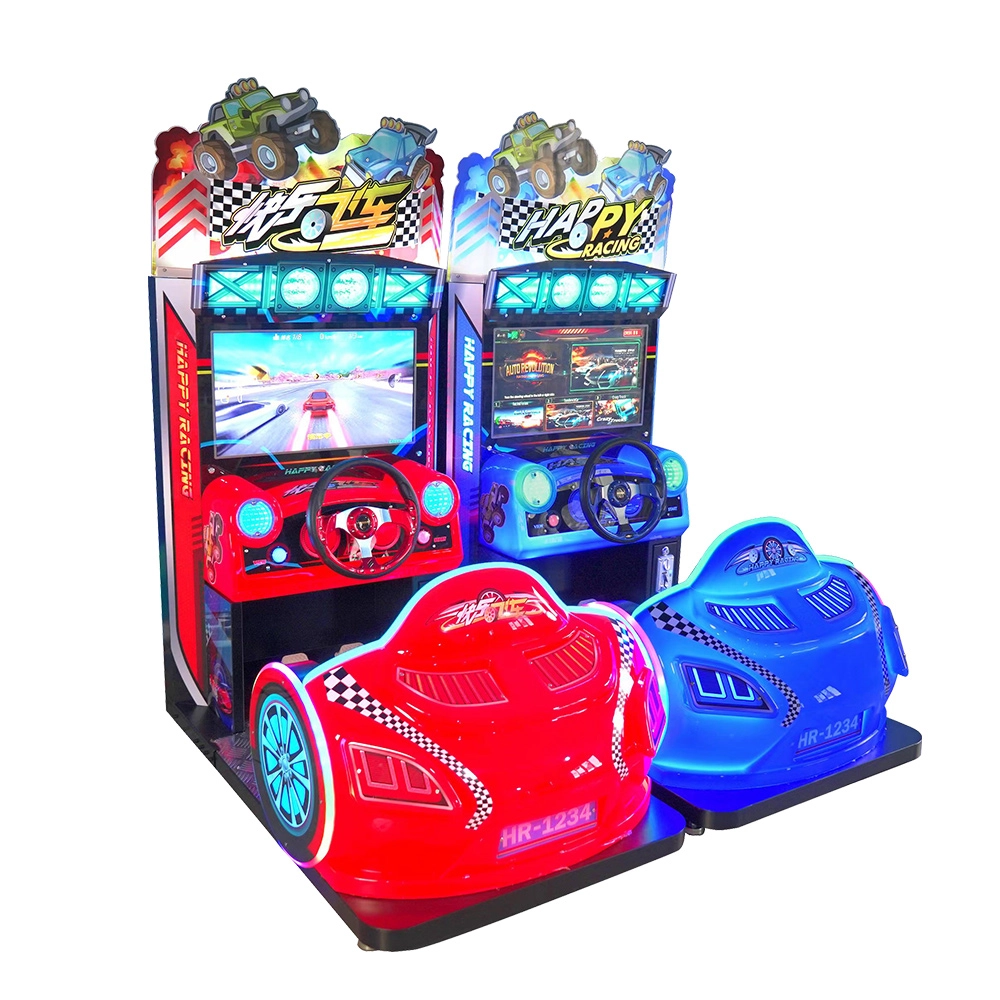
DINIBAO's main products include Kids Arcade machines, motorcycle arcade machines, racing arcade machines, arcade ticket machines, arcade air hockey tables, shooting arcade machines, gashapon vending machines, and Arcade Prize Machines. Competitive differentiators for DINIBAO include competitive pricing, a focus on quality control, an in-house animation/content team for customization, and an established global parts and distribution network — advantages that reduce lead times and lifecycle costs for operators.
Making the final purchase decision
Checklist before you buy
- Confirm available floor space, clearance, and power capacity.
- Verify local service support and parts availability; request an SLA.
- Review warranty terms and optional extended service packages.
- Ask for performance data or references from venues running the same model.
- Check payment options: coin, bill, cashless, or card integration.
Negotiation points and after-sales
Negotiate installation, staff training, spare parts kits, and marketing materials into the purchase. Request documentation: service manuals, wiring diagrams, and firmware update procedures. Vendors like DINIBAO that offer turnkey planning and operation services can reduce complexity for new centers.
Future-proofing your floor
To future-proof investments, choose modular systems where displays, PC modules, and I/O boards can be upgraded rather than replacing entire cabinets. Prioritize vendors with active firmware or content update programs to keep multiplayer racing simulator cabinets fresh for repeat customers.
Frequently Asked Questions (FAQ)
1. What is a multiplayer racing simulator cabinet?
A multiplayer racing simulator cabinet is a commercial arcade machine designed to allow multiple players to race against each other locally (linked cabinets) or online. They typically include steering wheels, pedals, force-feedback systems, large displays, and networking capabilities to sync race sessions.
2. How much space and power do racing cabinets need?
Space requirements vary by model: compact sit-down units usually need 1.5–2.5 m2; deluxe motion simulators need 4–8 m2. Power requirements range from standard single-phase 110–240V circuits for sit-down units to dedicated higher-amperage circuits for motion cabinets. Confirm exact specs with the manufacturer before purchase.
3. Which cabinet type generates the most revenue?
Deluxe motion simulators often allow higher ticket prices and act as anchor attractions, generating high per-session revenue. However, compact sit-down cabinets produce higher throughput and better revenue per square meter. The optimal mix depends on venue size, target demographic, and local pricing strategies.
4. How important is networking for modern racing cabinets?
Very important. Networking enables linked local multiplayer, online matchmaking, leaderboards, and software updates. A stable LAN and optional internet connection increase replayability and allow promotional and tournament features.
5. How do I choose a reliable supplier?
Look for suppliers with: documented export experience, global parts distribution, clear warranty and SLA terms, client references, and the ability to provide turnkey services (site planning, installation, training). Manufacturers with an in-house animation or content team can customize themes and content to local markets.
6. Are branded/licensed cabinets (e.g., Mario Kart) worth it?
Licensed titles can attract broad audiences and families and often increase play rates. However, licensing may come at a higher initial cost or revenue-sharing arrangements. Evaluate long-term benefits against upfront and ongoing licensing costs.
Contact and next steps
If you are evaluating multiplayer racing simulator cabinets for a new arcade or upgrading an existing floor, start with a site survey and a mixed-cabinet plan that balances throughput and anchor attractions. For turnkey purchasing, installation, and after-sales support, consider DINIBAO as a supplier: DINIBAO is located in Guangzhou City and has specialized in manufacturing and exporting game machines for 18 years. They provide one-stop purchasing solutions, a professional animation team for customization, and global export experience to 180+ countries with more than 10,000 game centers using their machines. DINIBAO's main products include Kids Arcade machines, motorcycle arcade machines, racing arcade machines, arcade ticket machines, arcade air hockey tables, shooting arcade machines, gashapon vending machines, and Arcade Prize Machines. Contact DINIBAO for quotes, floor-planning assistance, and sample proposals to match cabinets to your venue needs.
Want a tailored recommendation or a free floor plan for your space? Contact DINIBAO to request product catalogs, technical specs, and commercial terms. Explore options and get a customized purchasing solution to maximize player engagement and ROI.
Racing Ahead: Why Racing Arcade Machines Are Still a Top Performer for Your Entertainment Business
Loyalty programs for repeat players: punch cards vs digital accounts
What is Racing Arcade Machine? | DINIBAO Ultimate Insight
How to Choose a Multiplayer Racing Simulator for Your Arcade
Questions you may concerned about
Super Snail
What ages is Super Snail suitable for?
It’s designed for children aged 3–12, with adjustable seating for comfort and safety.
Global Tour
How do I get support if something goes wrong with my machine?
Our customer service team provides full technical support via phone, email, and online assistance. We also offer spare parts and maintenance services to keep your machine in top condition.
Ticket arcade machine
Do they require maintenance?
Yes. Regular cleaning, checking ticket dispensers, and ensuring payment systems function properly is necessary.
Prize Machine
Is it difficult to maintain?
Not at all. It’s designed for easy access to internal parts for refilling and maintenance.
Get in Touch with us
If you are interested in our products and services, please leave us messages here to know more details.
We will reply as soon as possible.

 Scan QR Code
Youtube
Guangzhou DiniBao Animation Technology Co., Ltd
Guangzhou Dinibao Animation Technology Company Co., Ltd