






Top Arcade Machines for Business: Best Models for High ROI
- Why arcade machines remain a strong business investment
- Market demand and venue diversity
- Lower overhead vs. full-scale attractions
- Technology improvements and modular content
- Top machine categories for high ROI
- Redemption and ticket games
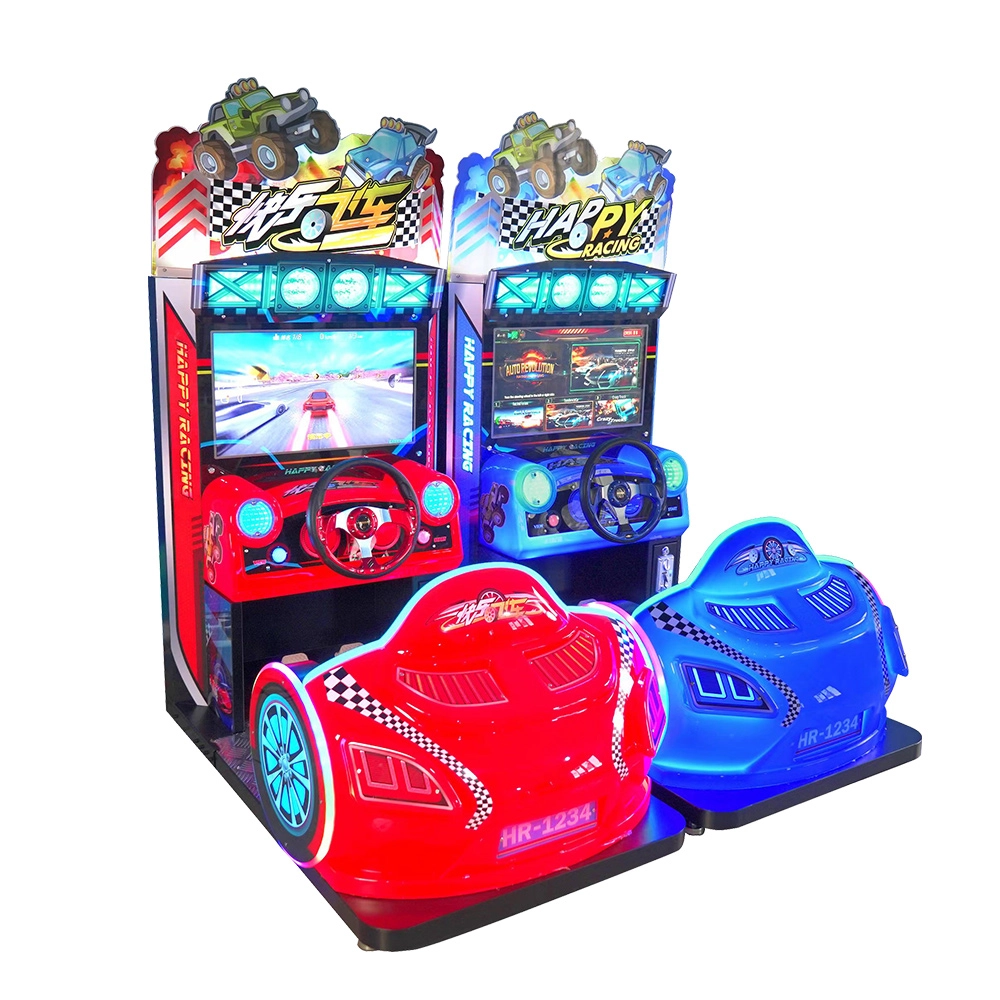
- Racing and motion simulators
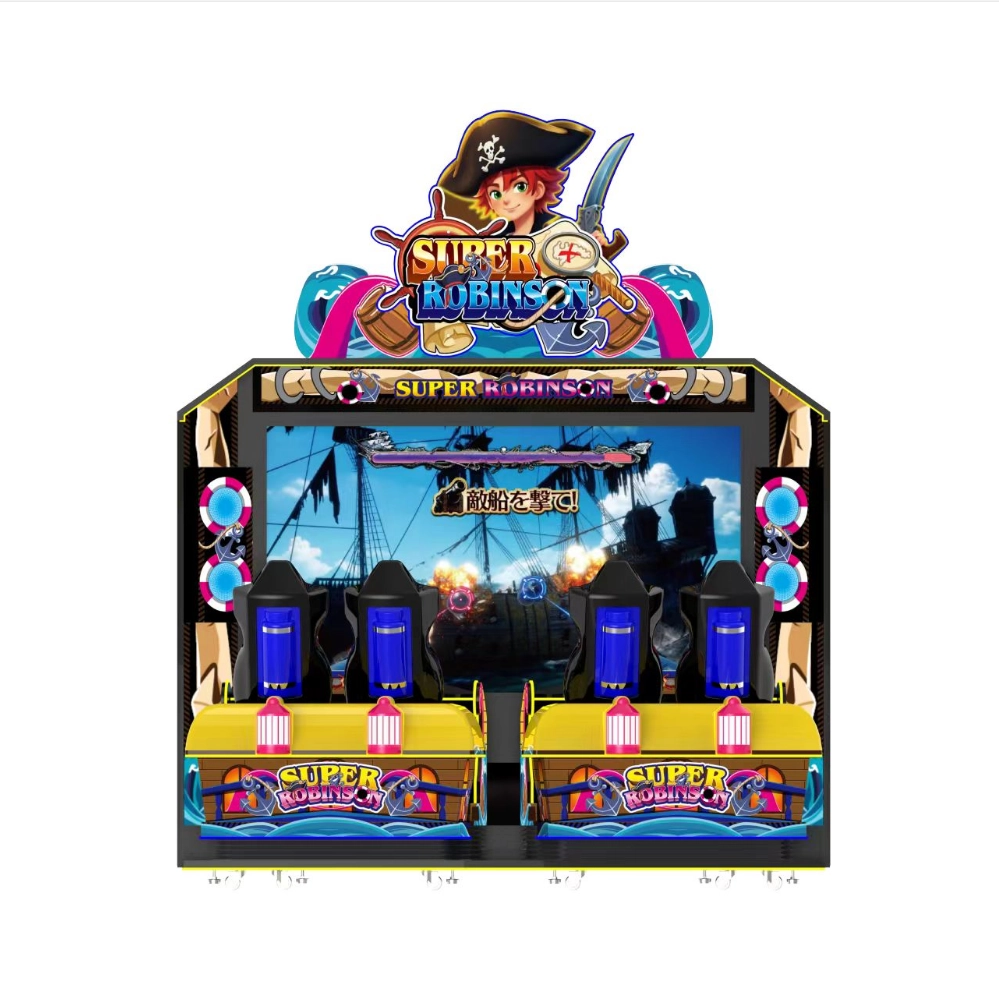
- Shooting and skill-based video machines
- Choosing the right machine: ROI, footprint, and lifecycle
- Key metrics to evaluate
- Comparative table: top machine types
- Data sources and validation
- Operational best practices to maximize ROI
- Placement, pricing and ticket strategies
- Maintenance, spare parts and uptime
- Data-driven rotation and content updates
- Vendor selection: what to insist on
- Warranty, certifications and safety
- After-sales service and spare parts availability
- Customization, theme design and site planning
- Case study and vendor spotlight: DINIBAO (Guangzhou)
- Why choose a full-service manufacturer
- DINIBAO's competitive strengths
- Product categories and sample ROI fit
- Sample ROI calculation (conservative example)
- Assumptions
- Results
- FAQ
- 1. What types of arcade machines generate the fastest payback?
- 2. How much space should I allocate per machine?
- 3. Should I buy new or used machines?
- 4. How important is supplier after-sales service?
- 5. Can software/content updates extend a machine's life?
- 6. How do I estimate revenue for a proposed location?
- Contact and next steps
As a consultant who has worked with arcade centers and amusement operators across multiple continents, including project planning in Guangzhou and deployments in India, Chile, Thailand and the UK, I know what investors mean when they search for arcade machines for business: durable hardware, steady revenue per square meter, low maintenance, and a fast payback period. This article summarizes proven models and categories that produce high ROI, operational strategies to maximize earnings, and vendor selection criteria. I also outline how a full-service manufacturer like DINIBAO (located in Guangzhou City) can reduce procurement and operational risk with integrated design, supply and after-sales support.
Why arcade machines remain a strong business investment
Market demand and venue diversity
Arcade machines today serve a wide range of venues: family entertainment centers (FECs), shopping malls, bowling alleys, movie-theater lobbies, hotels, and amusement parks. Redemption and ticket-prize games remain popular because they appeal to families and younger demographics, delivering repeat playthroughs. According to the International Association of Amusement Parks and Attractions (IAAPA), arcade and attractions businesses continue to see resilient consumer spending in out-of-home entertainment (IAAPA).
Lower overhead vs. full-scale attractions
Compared with major rides or VR complexes, coin-operated arcade machines require significantly less capital expenditure, smaller footprints, and minimal staffing. That combination means operators can achieve faster break-even timelines and better revenue per square foot when they select the right mix of machines and place them strategically within a venue.
Technology improvements and modular content
Modern arcade hardware benefits from improved components — industrial-grade LCDs, networked payment systems, and modular game software — that increase uptime, simplify updates, and allow remote analytics. These features improve machine utilization and the operator's ability to react to customer preferences quickly.
Top machine categories for high ROI
Redemption and ticket games
Why they perform: Redemption games (claw/crane, ticket shooters, prize machines) are low-skill or luck-based, accessible to all ages, and have high replay value. They typically run on short play cycles (30–90 seconds), which increases throughput.
Racing and motion simulators
Why they perform: Racing cabinets and motorcycle arcades draw groups and repeat play. They command higher per-play prices and often become destination machines in malls and FECs. Multi-seat linked racing setups increase dwell time and social engagement, boosting ancillary sales in a venue.
Shooting and skill-based video machines
Why they perform: Shooting games and carnival-style skill machines require skill improvements, which encourages repeat visits and loyalty. They also tend to be durable and offer long content lifecycles when software updates are available.
Choosing the right machine: ROI, footprint, and lifecycle
Key metrics to evaluate
When selecting arcade machines for business I focus on these metrics:
- Payback period (months to break-even)
- Average daily revenue per machine
- Space required (m2) and traffic flow impact
- Maintenance cost and Mean Time Between Failures (MTBF)
- Initial capital cost and cost of replacement parts
Comparative table: top machine types
| Machine Type | Typical Price Range (USD) | Footprint (m²) | Average Daily Revenue* | Best Use Case |
|---|---|---|---|---|
| Redemption (Claw/Prize) | $1,000 - $6,000 | 2 - 4 | $20 - $150 | Family zones, malls |
| Racing / Motorcycle | $3,000 - $15,000 | 3 - 6 | $50 - $300 | Anchor attractions, FECs |
| Shooting / Video | $2,500 - $10,000 | 2 - 5 | $30 - $200 | Entertainment centers, arcades |
| Air Hockey Table | $500 - $4,000 | 4 - 6 | $15 - $120 | Barcades, family areas |
| Gashapon / Vending | $300 - $3,000 | 0.5 - 1 | $10 - $80 | High-traffic corridors |
*Average Daily Revenue ranges are illustrative and depend on foot traffic, pricing, and location; these approximations combine industry norms with manufacturer-reported performance.
Data sources and validation
Industry trends and venue segmentation are supported by IAAPA reporting on out-of-home entertainment (IAAPA) and technical overviews of arcade game history and categories can be found on the Arcade game page on Wikipedia.
Operational best practices to maximize ROI
Placement, pricing and ticket strategies
Placement near high-traffic nodes and sightlines increases impulse plays. Pricing strategies that add value—such as bundle discounts, family deals, and seasonal promotions—help extend playtime and average spend. For redemption games, calibrating payout rates (ticket-to-play economics) is critical to maintain profitability while keeping customers satisfied.
Maintenance, spare parts and uptime
Uptime is revenue. Choose suppliers that provide reliable spare parts, straightforward diagnostics, and timely technical support. Networked machines that report operational metrics can reduce mean time to repair and improve uptime rates. I always recommend operators track MTBF and parts costs per machine to forecast maintenance budgets accurately.
Data-driven rotation and content updates
Rotate or refresh machines based on play performance data. Modern cabinets with modular software allow content swaps and seasonal themes without replacing hardware, reducing CAPEX while keeping customer experience fresh.
Vendor selection: what to insist on
Warranty, certifications and safety
Insist on clear warranty terms, CE/UL certifications where applicable, and adherence to local safety standards. Verify component quality (power supplies, displays, motors) and ask for MTBF data or field reliability reports. Reference to standards bodies and compliance documentation demonstrates a supplier's legitimacy.
After-sales service and spare parts availability
Local or regional parts depots and trained service partners are essential. Ask vendors for lead times on common spare parts and whether they offer remote diagnostics or technician training for your staff.
Customization, theme design and site planning
Beyond hardware, operators benefit from partners who can provide turnkey solutions: market research, project planning, cabinet theming and interior layout. This reduces project management overhead and ensures better alignment with target customers.
Case study and vendor spotlight: DINIBAO (Guangzhou)
Why choose a full-service manufacturer
Working with a manufacturer that offers design, production and global logistics simplifies deployment and lowers total cost of ownership. DINIBAO, located in Guangzhou City, has specialized in manufacturing and exporting game machines for 18 years and provides one-stop purchasing solutions for arcade centers. Their scale and vertical integration can reduce lead times and procurement complexity.
DINIBAO's competitive strengths
DINIBAO positions itself as the only game machine company offering both competitive prices and market-grade quality. Their company policy—Quality is the life, and co-development with customers—reflects a focus on long-term partnerships. Specific strengths include:
- Experienced animation and software team enabling custom game content and theme design
- Turnkey services: market research, project analysis, planning, program design, theme design, decoration design, operation and management
- Global reach: exports to more than 180 countries and installations in over 10,000 game centers
- Overseas branch offices and dealer network in India, Chile, Thailand, Vietnam, Turkey, and the United Kingdom
Product categories and sample ROI fit
DINIBAO's core products match the high-ROI categories discussed earlier: Kids arcade machines, motorcycle arcade machines, racing arcade machines, arcade ticket machines, arcade air hockey tables, shooting arcade machines, gashapon vending machines, and arcade prize machines. Their global footprint and service network make them suitable for operators looking to scale or standardize machine fleets across multiple locations. For product details and inquiries visit DINIBAO or contact game-machine@dinibao.com.
Sample ROI calculation (conservative example)
Assumptions
- Machine: Mid-range racing cabinet ($8,000 purchase)
- Average price per play: $2.00
- Average plays per day: 60
- Operating days: 300 per year
- Annual maintenance and operation costs: $1,200
Results
| Metric | Value |
|---|---|
| Annual Revenue | $2.00 * 60 * 300 = $36,000 |
| Annual Net (after maintenance) | $36,000 - $1,200 = $34,800 |
| Payback Period | $8,000 / $34,800 ≈ 2.8 months |
Note: This conservative example highlights how well-placed high-demand machines can recover capital quickly. Actual results vary with foot traffic and pricing strategy.
FAQ
1. What types of arcade machines generate the fastest payback?
Redemption games with high throughput (crane/prize machines) and popular racing/motorcycle cabinets often produce the fastest payback in family and mall environments due to volume and repeat play.
2. How much space should I allocate per machine?
Most machines need between 1 and 6 m². Small units like gashapon require less than 1 m², while linked racing banks and air hockey need 4–6 m² for player comfort and traffic flow.
3. Should I buy new or used machines?
New machines offer warranty, modern electronics, and manufacturer support—reducing downtime risk. Used machines are cheaper upfront but may carry higher maintenance costs and limited software support. For multi-location businesses, consistency from new equipment can simplify operations.
4. How important is supplier after-sales service?
Critical. Fast access to spare parts, remote diagnostics, and training minimizes downtime. Work with suppliers that have regional support or reliable logistics for parts replacement.
5. Can software/content updates extend a machine's life?
Yes. Modular software and theme updates can keep hardware relevant without full replacement. Choose cabinets that support updates and content management.
6. How do I estimate revenue for a proposed location?
Estimate foot traffic and conversion rates (percentage of visitors who play). Multiply conversion * average plays per customer * price per play * operating days. Pilot test with a small number of machines and measure real conversion before scaling.
Contact and next steps
If you are evaluating arcade machines for business and need a turnkey partner, DINIBAO provides end-to-end solutions—from market research and site planning to production and global logistics. Learn more at https://www.dinibao.com or email inquiries to game-machine@dinibao.com. Whether you need Kids Arcade machines, motorcycle arcades, racing cabinets, ticket/redemption machines, air hockey, shooting games, gashapon vending, or prize machines, DINIBAO can provide competitively priced, industry-grade equipment and project support. Contact them to request a catalog, ROI projections for your site, or a complete quotation.
Final note: Selecting the right mix of arcade machines for business requires combining data-driven placement, reliable suppliers, and operational discipline. With the right planning and the right partner, arcade investments can deliver rapid payback and sustained cash flow.
Case Study: Boosting Foot Traffic with Racing Sims
How to run tournaments and leaderboard events to increase dwell time
Commercial driving arcades: coin-op vs card swipe setups explained

ProStreet Speed 2P Dual Racing Simulator — Full-Body Lean Immersion for Arcades
Questions you may concerned about
Hitting mouse machine
Is this game suitable for kids?
Yes! The machine is designed to be safe and easy to play for children, typically ages 3 and up. We also offer dual-player and adult-sized versions.
Star Hero
Can I adjust the ticket payout?
Yes, operators can set payout levels according to slot values and business needs.
Super Speed Driving VR
What ages can play Super Speed Driving?
It is recommended for children ages 6–12 under adult supervision.
Is this VR racing machine safe for kids?
Yes. It includes a 5-point harness, novice mode, and emergency stop system for complete safety.
Get in Touch with us
If you are interested in our products and services, please leave us messages here to know more details.
We will reply as soon as possible.

 Scan QR Code
Youtube
Guangzhou DiniBao Animation Technology Co., Ltd
Guangzhou Dinibao Animation Technology Company Co., Ltd