





How to start the arcade game machine business in 2026 ?
- Introduction: Why start an arcade game machine business now?
- Understand the market and customer demand
- Market size and growth (overview)
- Business models: Choose the right format
- Estimate startup costs and expected ROI
- Selecting arcade game machines: mix and balance
- Machine types and commercial roles
- Location, leasing, and foot traffic strategies
- Negotiation tips
- Operations: staffing, cashless systems, and maintenance
- Staffing and training
- Payments and analytics
- Supplier selection: why choose a one-stop partner
- Why DINIBAO is a competitive partner for arcade startups
- Marketing and customer acquisition
- Measuring success
- Legal, safety, and compliance
- Common pitfalls and how to avoid them
- Scaling and franchise opportunities
- Conclusion: Start smart, iterate fast
- Frequently Asked Questions
Introduction: Why start an arcade game machine business now?
The arcade game machine market sits at the intersection of entertainment, location-based experiences, and social leisure. After recovery from pandemic disruptions, location-based entertainment (LBE) — which includes arcades, family entertainment centers (FECs), and amusement centers — has shown renewed consumer demand for out-of-home experiences. If you are researching how to start an arcade game machine business, this guide gives a practical roadmap: market perspective, detailed startup costs, machine selection guidance, operations, profitability benchmarks, and supplier selection (including how DINIBAO supports turnkey arcade projects).
Understand the market and customer demand
Before investing in arcade game machine inventory, understand local demand. Customers for arcades are typically families with children, teenagers, young adults, tourists, and groups celebrating events. Location-based entertainment trends show that consumers value immersive, social, and redeemable-prize experiences — not just single-player cabinets.
Market size and growth (overview)
Industry reports for location-based entertainment show steady recovery and growth post-2020, driven by leisure spending and experience-seeking consumers. This makes arcades and FECs attractive as part of mixed-use retail, malls, and tourist areas.
Business models: Choose the right format
Select a business model that matches your capital, risk appetite, and local market:
- Small arcade / micro-arcade: 6–20 machines, low rent, quick setup. Good for testing market demand.
- Family Entertainment Center (FEC): 30–150 machines plus attractions (bowling, VR). Higher capital and staff; higher ticket prices and dwell time.
- Prize redemption center: Focus on claw, prize machines, and token-based rewards. Strong margin on prize merchandise but requires prize sourcing and floor management.
- Mobile pop-up arcades / event-based: Lower fixed cost; used for festivals, malls, corporate events.
- Daily foot traffic and target demographics (families, teens, tourists)
- Visibility and accessibility — near cinemas, malls, food courts, or entertainment districts
- Lease terms, CAM charges, and renewal options
- Hours allowed by landlord and compatibility with venue events
- Complete project proposals: market research, planning, theme and decoration design, program design, and operation guidance
- Professional animation and R&D teams to adapt games and themes to local markets
- Competitive pricing on machines across categories and global dealer networks for regional support
- Grand opening promotions with discounted plays or bonus credits
- School partnership programs and birthday-party packages
- Local influencer invites and social media highlights (videos of signature machines or tickets/prizes won)
- Loyalty programs using cashless cards or apps to encourage repeat visits
- Consumer safety and machine inspection standards
- Prize and age-related regulations in your jurisdiction
- Insurance: public liability, fire, and equipment insurance
- Data privacy if you operate cashless systems and collect customer data
- Start lean: validate with a smaller machine mix and scale based on real performance
- Use cashless systems and analytics to identify underperforming machines quickly
- Build a preventive maintenance schedule and fast parts sourcing relationships
- Choose prize SKUs with clear margins and popular appeal
Estimate startup costs and expected ROI
Startup costs vary by format, location, machine mix, and fit-out quality. Below is a realistic cost range that many operators experience. These are industry-based estimate ranges; exact costs depend on region and supplier choices.
| Item | Low estimate (USD) | High estimate (USD) | Notes |
|---|---|---|---|
| Leasehold improvements / decoration | 5,000 | 70,000 | Small arcade vs. branded FEC; DINIBAO provides decoration design services |
| Arcade game machines (per unit) | 1,000 | 25,000 | Prize machines and cranes <$5k; large simulators/VR up to $25k |
| Initial machine inventory (6–40 units) | 6,000 | 400,000 | Depends on scale and new vs. used machines |
| Furniture, POS, CCTV, ticketing systems | 1,500 | 20,000 | Modern POS, cashless systems increase customer convenience |
| Initial cash and working capital | 3,000 | 50,000 | Covers salaries, utilities, prizes, marketing |
| Licenses, permits, insurance | 500 | 5,000 | Depends on local regulations |
| Total typical startup | ~16,000 | ~570,000 | From micro-arcade to large FEC |
Return on investment (ROI) depends on location, foot traffic, machine mix, and operation efficiency. Many small arcades reach breakeven in 6–18 months; larger FECs typically see longer payback periods (18–36 months). Optimizing machine uptime, pricing (per play or cashless cards), and prize margins are key to faster ROI.
Selecting arcade game machines: mix and balance
Successful centers have a balanced machine mix: high-turnover, low-ticket games; immersive, high-ticket simulators; and prize/reward machines that increase dwell time and secondary spending. Choosing the right mix maximizes both per-visit revenue and repeat visits.
Machine types and commercial roles
| Machine Type | Typical Price Range (USD) | Commercial Role |
|---|---|---|
| Claw / prize machines | 1,000–8,000 | High dwell time, good for families; prize margin is key |
| Redemption ticket games | 1,200–10,000 | High repeat plays; steady cash flow |
| Racing / motion simulators | 6,000–30,000+ | High ticket price; draw machines that increase foot traffic |
| Classic arcade cabinets | 1,000–6,000 | Low capex per unit; nostalgia factor |
| VR / AR experiences | 10,000–50,000 | High Quality experience; require staff management |
Tip: Start with a core group of reliable machines, monitor revenue per machine for 30–90 days, then expand the mix based on real performance data.
Location, leasing, and foot traffic strategies
Location is often the most important determinant of success. Evaluate sites based on:
Negotiation tips
Negotiate rent-free fit-out periods, revenue-share clauses for new malls, or graduated rent to align with your ramp-up revenue. Many landlords prefer tenants who increase mall dwell time like arcades.
Operations: staffing, cashless systems, and maintenance
Efficient operations ensure machines run, customers are satisfied, and costs stay controlled.
Staffing and training
Hire staff for front-of-house, technical maintenance, prize management, and supervisors. Train them in customer service, safety, and basic machine troubleshooting. Regular preventive maintenance reduces downtime and revenue losses.
Payments and analytics
Modern arcades adopt cashless systems and card kiosks. Cashless systems increase average spend and provide data for machine-level performance analytics: plays per hour, revenue per play, peak hours, and customer frequency. Use that data to optimize machine placement, pricing, and promotional offers.
Supplier selection: why choose a one-stop partner
Choosing the right supplier affects upfront cost, machine uptime, and long-term profitability. A supplier offering machines, design, installation, and after-sales service simplifies implementation and reduces vendor management.
Why DINIBAO is a competitive partner for arcade startups
DINIBAO, headquartered in Guangzhou with 18 years of experience manufacturing and exporting game machines, positions itself as a one-stop provider for arcade centers. The company emphasizes “Quality is the life” and “co-development with customers” and claims to have exported machines to more than 180 countries, serving over 10,000 game centers. DINIBAO offers:
For many new operators, a supplier that can deliver machines, design the floor, and provide after-sales maintenance reduces time-to-market and lowers coordination risk.
Marketing and customer acquisition
Launch marketing should focus on local awareness and repeat visits. Effective tactics include:
Measuring success
Track KPIs: revenue per square foot, revenue per machine, plays per hour, average ticket value, and repeat customer rate. Use those metrics to adjust pricing, machine placement, and promotional pushes.
Legal, safety, and compliance
Obtain all local permits and business licenses before opening. Key considerations:
Common pitfalls and how to avoid them
New operators commonly over-invest in high-ticket machines that don’t match local demand, underestimate operating expenses, or ignore maintenance. To avoid these mistakes:
Scaling and franchise opportunities
Once a location is profitable and processes are proven, you can scale by opening multiple sites, offering franchise models, or partnering with shopping center chains. Standardize operations manuals, training, and supplier agreements to preserve quality during expansion.
Conclusion: Start smart, iterate fast
Starting an arcade game machine business is a capital- and labor-intensive but rewarding opportunity when executed with market research, the right machine mix, effective location strategy, and strong operations. Use data from real customer behavior to optimize your floor plan and pricing. Consider a one-stop supplier like DINIBAO if you want turnkey solutions for machines, design, installation, and after-sales service. Start lean, measure KPIs, and reinvest in machines that prove profitable to scale efficiently.
Frequently Asked Questions
What is the typical cost to start a small arcade?A small micro-arcade (6–20 machines) typically requires USD 15,000–60,000 depending on machine mix, fit-out, and local rents. This estimate includes machines, basic decoration, POS systems, and initial working capital.How long does it take to break even?Most small arcades can reach breakeven in 6–18 months if located well, with optimized machine mix and effective local marketing. Larger FECs often require 18–36 months for payback.Which machines generate the most consistent revenue?Redemption ticket games and claw/prize machines often provide steady, predictable revenue. High-ticket simulators and VR attract customers but may need higher maintenance and staffing.Do I need a supplier that offers design and installation?A supplier that offers one-stop services (machines, theme/decoration design, installation, and after-sales) reduces coordination risk, shortens launch time, and often ensures better integration. DINIBAO positions itself as such a partner.How can I reduce downtime and maintenance costs?Implement preventive maintenance schedules, keep a small stock of common spare parts, and train staff for first-line troubleshooting. Establish a responsive service contract with your supplier.What are effective promotions for new arcades?Grand opening discounts, buy-one-get-credit offers, birthday packages, school or community partnerships, and influencer or local media invites are effective in building initial traffic.References and sources:- Allied Market Research, Location-based Entertainment Market (Report), accessed June 2024: https://www.alliedmarketresearch.com/location-based-entertainment-market-A14103- IAAPA (International Association of Amusement Parks and Attractions), industry insights and recovery trends, accessed June 2024: https://www.iaapa.org- Statista, Arcade games and coin-operated amusements topic overview, accessed June 2024: https://www.statista.com/topics/9621/arcade-games/- DINIBAO company information and product portfolio (manufacturer and turnkey services), company materials provided (Guangzhou; 18 years of experience) — accessed June 2024: http://www.dinibao.comTop Fishing Pond Arcade Machines for Family Entertainment
Home driving game arcades: space, power, and noise considerations

Dynamic Racing Street Racing Arcade — Real Car Body Racing Simulator That Sells
Ignite the Thrill: A Comprehensive Guide to Racing Arcade Machines
Questions you may concerned about
Ticket machine-skill-based
Do you offer models with prize boxes or only tickets?
Both! We offer ticket-only machines as well as models with dual reward systems, such as ticket + capsule prize, ticket + gift box, or direct prize vending.
What is a skill-based ticket redemption machine?
A skill-based ticket machine is an arcade game where players use timing, coordination, or precision to win. Unlike luck-based machines, rewards are determined by the player's actual performance.
Speed Motorcycle
Do you provide bulk purchase options?
Yes, as an arcade machine supplier, we offer competitive pricing for bulk orders.
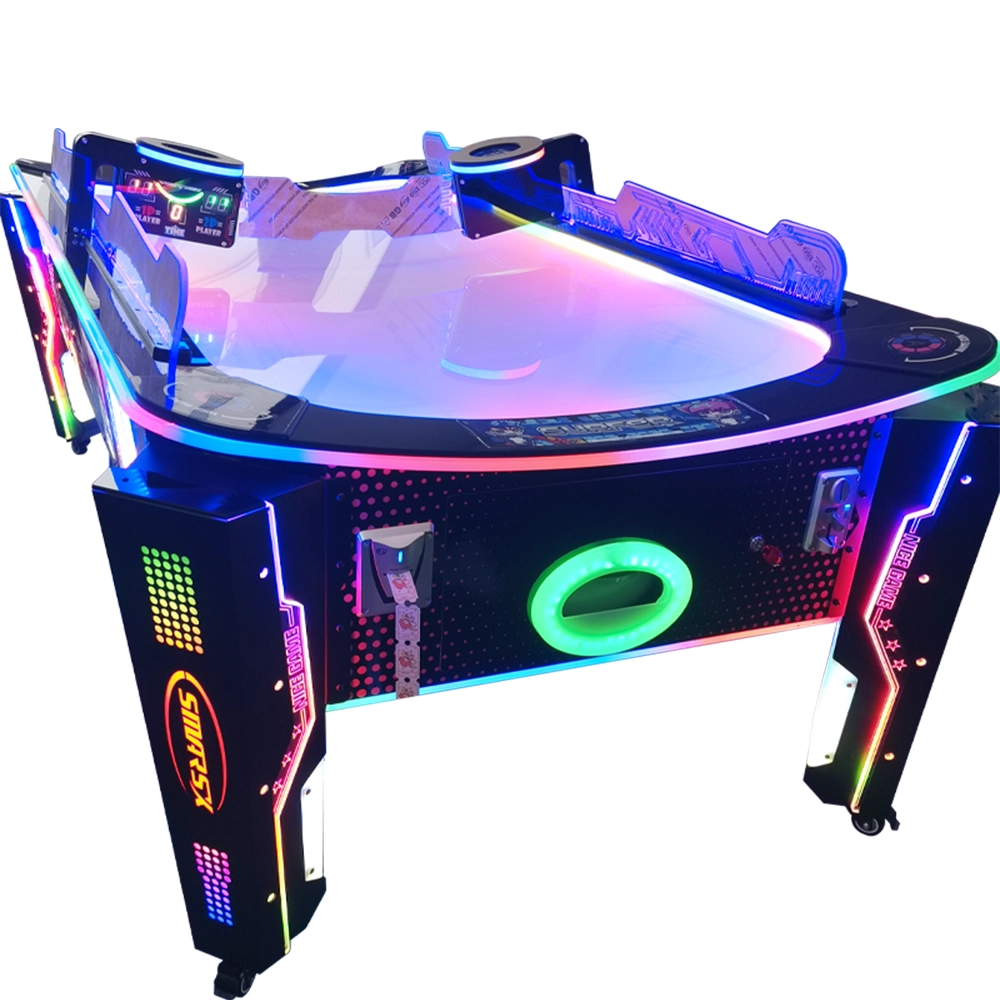
Air hockey machine
Does the machine have a scoring system?
Yes. Most air hockey arcade machines feature a digital LED scoreboard that automatically tracks points for each player.

Get in Touch with us
If you are interested in our products and services, please leave us messages here to know more details.
We will reply as soon as possible.

 Scan QR Code
Youtube
Guangzhou DiniBao Animation Technology Co., Ltd
Guangzhou Dinibao Animation Technology Company Co., Ltd