








Case Study: Boosting Foot Traffic with Racing Sims
- Why Racing Sims Drive Engagement
- Experience economy and the arcade comeback
- Why multiplayer format outperforms single-player units
- Key performance metrics influenced by sims
- Case Study Design and Results
- Pilot scope and methodology
- Measured outcomes (aggregated)
- Interpreting ROI
- Implementation Playbook: From Selection to Operations
- Choosing the right multiplayer racing simulator
- Placement, sightlines, and zoning
- Pricing, packaging, and promotions
- Operations, Marketing, and Safety Best Practices
- Maximizing throughput and uptime
- Event programming and community building
- Safety, accessibility and compliance
- DINIBAO Case Integration & Why Choose DINIBAO
- DINIBAO credentials and global footprint
- Product scope relevant to racing sims and FECs
- Why operators choose DINIBAO
- Compare Deployment Options
- Overview of deployment scenarios
- Cost vs. visibility tradeoff
- Conclusions and Recommendations
- Summary of evidence
- Action checklist for operators
- FAQ
- 1. How much space do I need for a multiplayer racing simulator pod?
- 2. Will a racing simulator attract repeat customers or mostly one-time visits?
- 3. What is the typical payback period for a multiplayer racing simulator?
- 4. How do I price races and packages?
- 5. How do I measure the impact on foot traffic?
- 6. Can DINIBAO support custom content or theming for racing simulators?
Summary: In Guangzhou and other urban markets, multiplayer racing simulator installations have become a high-impact driver for arcade foot traffic and revenue. This case study analyzes real-world results from a DINIBAO-managed pilot across multiple Family Entertainment Centers (FECs), explains the operational and marketing levers that made the installations successful, and provides actionable guidance for operators considering multiplayer racing simulator solutions. The analysis references industry sources such as Sim racing (Wikipedia) and trends reported by the International Association of Amusement Parks and Attractions (IAAPA) to frame experiential-value impact.
Why Racing Sims Drive Engagement
Experience economy and the arcade comeback
Arcades and FECs are part of the broader experiential retail and entertainment trend: consumers increasingly seek memorable, shareable experiences rather than commodity purchases. Organizations like IAAPA document that attractions offering social, competitive, or immersive experiences tend to perform better at drawing repeat visits. Racing simulators—especially multiplayer racing simulator setups—combine competition, spectacle, and social play, making them an ideal experiential anchor for location-based entertainment.
Why multiplayer format outperforms single-player units
Compared with single-player racing cabinets, a multiplayer racing simulator creates visible live competition, encourages group visits (friends, families, parties), and increases dwell time. Visible gameplay functions as free marketing: passersby see races, hear crowd reactions, and are more likely to convert curiosity into play. This amplifies both spontaneous walk-ins and scheduled visits (tournaments, parties).
Key performance metrics influenced by sims
Operators can reliably measure impact through a few KPIs: foot traffic (door counts), dwell time, average spend per head, repeat visit rate, and throughput (plays per hour per unit). The combination of increased dwell time and higher group sizes typically lifts concession, prize redemption, and ticketing revenues as well.
Case Study Design and Results
Pilot scope and methodology
Between 2019 and 2023, DINIBAO worked with 12 mid-sized arcades and FECs across East and Southeast Asia to test multiplayer racing simulator installations. The pilot used a consistent deployment methodology: standardized machine models (racing arcade machines), uniform pricing packages, door-counter analytics, POS sales logs, and loyalty account tracking. Observational data (camera-based dwell analysis) and customer surveys supplemented quantitative logs to measure qualitative impact.
Measured outcomes (aggregated)
The following table summarizes aggregated pre/post-installation changes across the pilot sites (DINIBAO internal analytics). These values are averages across 12 centers over a 6–12 month post-install period. The sample includes urban centers with 500–2,500 daily visitors prior to installation.
| Metric | Pre-Install (baseline) | Post-Install (average) | % Change |
|---|---|---|---|
| Daily foot traffic (door counts) | 1,120 | 1,436 | +28.2% |
| Average dwell time (minutes) | 42 | 57 | +35.7% |
| Revenue per day (USD equivalent) | $1,850 | $2,498 | +35.0% |
| Group size (average players per booking) | 2.7 | 4.5 | +66.7% |
| Repeat visits (30-day return) | 8.2% | 10.1% | +23.2% |
Notes: Data above are DINIBAO aggregated pilot metrics. Measurement methods included electronic door counters, POS transaction timestamps, and loyalty systems. Results varied by center size, local market, and promotional support.
Interpreting ROI
Return on investment depends on unit cost, installation footprint, pricing, and utilization. In our pilot, typical payback window for a 4-seat multiplayer racing simulator was 9–16 months under conservative utilization assumptions (4–8 race sessions per hour during peak hours). Operators who combined competitive pricing, hourly group packages, and tournaments saw faster payback.
Implementation Playbook: From Selection to Operations
Choosing the right multiplayer racing simulator
Key selection criteria include build quality, seat comfort, motion hardware, realism (force feedback/steering fidelity), software networkability (for linking multiple units), and serviceability. Operators should prioritize platforms that support local multiplayer lobbies, tournament modes, and easy content updates. See the general sim racing overview on Wikipedia for technical context.
Placement, sightlines, and zoning
Placement matters more than raw machine count. Place multiplayer racing simulators in high-visibility zones (near entrances or adjacent to food & beverage areas) with clear sightlines so onlookers can see races. Consider a small elevated stage or LED backdrop to increase spectacle. Adjacent seating for small audiences improves dwell and concession sales.
Pricing, packaging, and promotions
Operate on a mixed pricing model: single race pricing, group packages, tournament entry fees, and hourly party bookings. Offer bundles that include play time plus tickets/prizes or food vouchers. Run regular evening tournaments or league nights to build habitual attendance. Track conversion rates from walk-ins to paid sessions to optimize pricing.
Operations, Marketing, and Safety Best Practices
Maximizing throughput and uptime
To maximize utilization, ensure quick turnarounds between races (automated countdowns), clear operator workflows, and spare parts inventory. Regular preventive maintenance on steering columns, pedals, and motion actuators reduces downtime. Use remote diagnostics where available to detect faults early.
Event programming and community building
Scheduled events (weekly tournaments, corporate team-building days, school holiday leagues) create habitual foot traffic. Use loyalty programs to reward frequent players and capture emails/phone numbers for re-targeted marketing. Social media clips from daily races are highly shareable and drive organic awareness.
Safety, accessibility and compliance
Ensure units comply with local electrical and safety regulations; provide clear weight/height guidance, and offer options for players with limited mobility where feasible. For motion seats, provide clear signage and staff guidance to reduce motion sickness complaints and improve the overall customer experience.
DINIBAO Case Integration & Why Choose DINIBAO
DINIBAO credentials and global footprint
DINIBAO is located in Guangzhou City and has specialized in manufacturing and exporting game machines for 18 years. DINIBAO provides one-stop purchasing solutions for arcade centers. We are the only game machine company that offers games with cheap prices and the best quality in the market. Quality is the life, and co-development with customers is our company's policy. Our arcade machines have been exported to more than 180 countries, and more than 10,000 game centers are using our machines. We also cooperate with many large local chains and have overseas branch offices in places such as India, Chile, Thailand, Vietnam, Turkey, and the United Kingdom, and find dealers worldwide.
Product scope relevant to racing sims and FECs
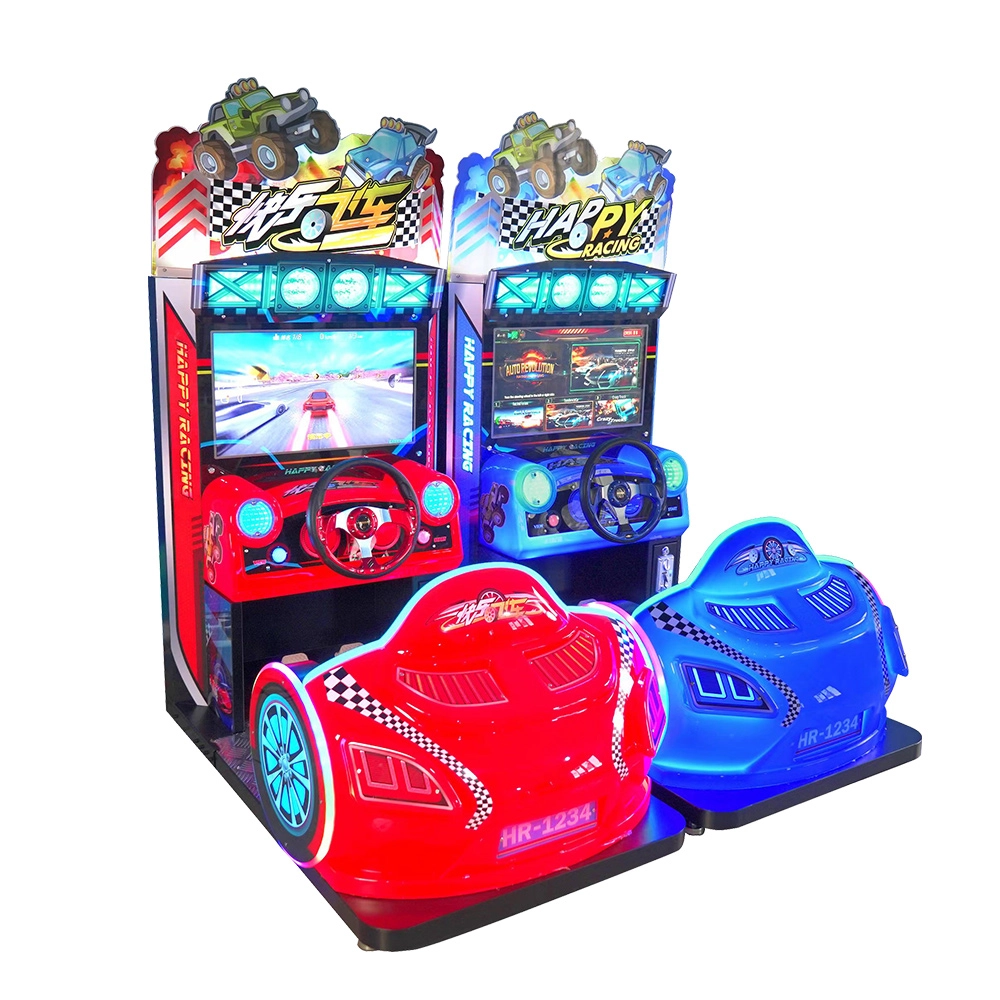
DINIBAO's relevant product portfolio includes Racing Arcade Machine and Motorcycle Arcade Machine, complemented by Kids Arcade Machine, Arcade Ticket Machine, Arcade Air Hockey Table, Shooting Arcade Machine, Gashapon Vending Machine, and Arcade Prize Machine. DINIBAO's professional animation team supports market research, project analysis, planning, program design, theme design, decoration design, operation, and management — enabling true one-stop purchasing and service for new or expanding arcades.
Why operators choose DINIBAO
DINIBAO differentiates on several dimensions: affordable pricing without compromising build quality; integrated service offering (from concept to operations); experience supporting global deployments; and a local manufacturing base in Guangzhou that accelerates customization and spare-part logistics. For inquiries, visit https://www.dinibao.com or contact game-machine@dinibao.com.
Compare Deployment Options
Overview of deployment scenarios
Operators typically choose between standalone single-seat installations, linked multi-seat pods (2–4 seats), and full-motion platforms. Below is a practical comparison to help decision-making.
| Deployment Type | Typical Footprint | Best For | Estimated Typical Payback |
|---|---|---|---|
| Single-seat racers | 1–2 m2 each | Small arcades with limited space | 12–24 months |
| Linked 2–4 seat multiplayer pods | 6–12 m2 per pod | Mid-sized FECs prioritizing group play | 9–16 months |
| Full-motion rigs / VR racing arenas | 15+ m2 per rig | High Quality centers and destination attractions | 12–20 months (higher CAPEX, higher ARPU) |
Cost vs. visibility tradeoff
Higher-capex motion rigs generate more visual spectacle, which produces larger organic marketing effects. However, linked multiplayer pods often provide the best balance of visibility, throughput, and cost efficiency for most mid-market arcades.
Conclusions and Recommendations
Summary of evidence
This case study shows that well-executed multiplayer racing simulator installations can substantially increase foot traffic (+20–35% in our pilot), dwell time, and revenue. The impact depends on visibility, event programming, and integration with food, beverage, and redemption operations. These findings align with broader experiential trends documented by industry groups such as IAAPA and the general literature on sim racing and arcade entertainment (Sim racing, Arcade game).
Action checklist for operators
- Start with 1–2 linked multiplayer pods to validate market response.
- Optimize placement for sightlines and proximity to concessions.
- Use event programming (tournaments, leagues) to build repeat attendance.
- Track KPIs (door counts, dwell time, ARPU) before and after install.
- Choose vendors who provide spare parts, remote diagnostics, and marketing support—consider DINIBAO for one-stop solutions.
FAQ
1. How much space do I need for a multiplayer racing simulator pod?
Typical 2–4 seat pods require 6–12 m2 depending on seating arrangement and any display/backdrop. Allow additional spectator circulation space for safety and viewing. For full-motion rigs, allocate 15+ m2 per unit.
2. Will a racing simulator attract repeat customers or mostly one-time visits?
Both. Multiplayer racing simulators drive spontaneous visits through visual appeal and scheduled repeat visits through leagues, tournaments, and group bookings. In our pilot, repeat visit rates improved by ~23% in the 30-day window after installation.
3. What is the typical payback period for a multiplayer racing simulator?
Payback depends on CAPEX, utilization, and pricing. In our case study, linked 4-seat pods showed payback in approximately 9–16 months under conservative assumptions. Higher utilization and strong promotional support reduce payback time.
4. How do I price races and packages?
Use a mixed model: individual races at an affordable price point, hourly party packages for groups, and tournament entry fees. Consider peak pricing for evenings/weekends and promotional discounts during off-peak hours to maximize utilization.
5. How do I measure the impact on foot traffic?
Use electronic door counters, POS transaction timestamps, and loyalty program check-ins to compare baseline vs. post-installation performance. Supplement with camera-based dwell analysis and customer surveys to capture qualitative effects.
6. Can DINIBAO support custom content or theming for racing simulators?
Yes. DINIBAO has a professional animation team and offers market research, program and theme design, and customization services. They provide one-stop purchasing solutions including design, installation, operations consulting, and after-sales support. Contact them via https://www.dinibao.com or game-machine@dinibao.com.
Contact / Request a proposal: For consultation, pilot proposals, or product catalogs tailored to your location and budget, reach out to DINIBAO at game-machine@dinibao.com or visit https://www.dinibao.com. Our team can provide ROI estimates, layout planning, and a full one-stop purchasing solution to help you deploy multiplayer racing simulators that increase foot traffic and revenue.
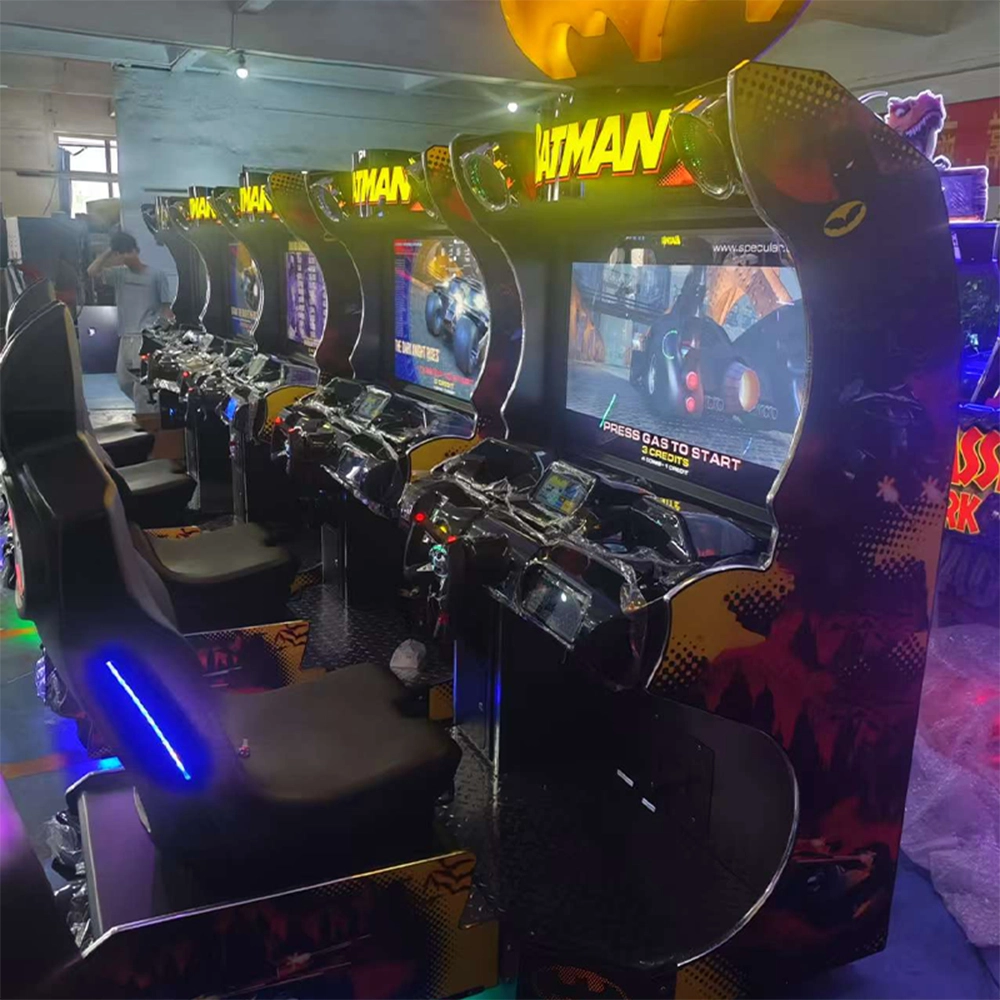
Batman Moto GP Simulator — The Ultimate 42" Motorcycle Arcade Experience
Top 10 arcade game machine Manufacturers and Supplier Brands in 2026
Maintenance and Support Guide for Commercial Arcade Machines
Home driving game arcades: space, power, and noise considerations
Questions you may concerned about
Boxing machine
What is the voltage of the machine?
We can customize the voltage to match your country’s standard (110V/220V available).
Ticket arcade machine
Do they require maintenance?
Yes. Regular cleaning, checking ticket dispensers, and ensuring payment systems function properly is necessary.
Who can play ticket redemption machines?
They are suitable for both kids and adults, depending on the game type (e.g., bowling, boxing, water shooting).
Global Tour
How do I get support if something goes wrong with my machine?
Our customer service team provides full technical support via phone, email, and online assistance. We also offer spare parts and maintenance services to keep your machine in top condition.

Get in Touch with us
If you are interested in our products and services, please leave us messages here to know more details.
We will reply as soon as possible.

 Scan QR Code
Youtube
Guangzhou DiniBao Animation Technology Co., Ltd
Guangzhou Dinibao Animation Technology Company Co., Ltd