








Installation & Maintenance Guide for Racing Arcade Machines
- Understanding Racing Arcade Machines
- Core components and how they interact
- Common configurations and variants
- Key performance metrics to track
- Installation Best Practices
- Site preparation & power requirements
- Cabinet assembly & placement
- Network, audio & peripheral setup
- Maintenance & Troubleshooting
- Routine preventive maintenance checklist
- Common failures and step-by-step fixes
- Software, firmware and asset management
- Operational Tips, Safety & Lifecycle Management
- Operator training and user experience optimization
- Safety, compliance and accessibility
- Lifecycle, refurbishment, and spare parts strategy
- Choosing a Supplier and Why DINIBAO
- What to look for in a manufacturer
- DINIBAO overview and competitive advantages
- DINIBAO product highlights
- FAQ — Frequently Asked Questions
- 1. How much space is needed per racing arcade machine?
- 2. How often should I perform preventive maintenance?
- 3. What are the most common failures in racing arcade machines?
- 4. Should I choose motion cabinets or static cabinets for a new center?
- 5. Can I network cabinets from different manufacturers?
- 6. Where can I find replacement parts and technical support?
- Contact & Next Steps
Racing arcade machines require careful installation and disciplined maintenance to deliver reliable play experiences, maximize uptime, and protect your investment. This guide consolidates practical steps, checklists, and troubleshooting protocols for arcade centers, game room operators, and technicians. It integrates component-level advice (monitor, steering wheel, force feedback, PCB, power supply), environmental and safety considerations, and operational tips to extend service life and reduce downtime.
Understanding Racing Arcade Machines
Core components and how they interact
Racing arcade machines typically combine these subsystems: the cabinet (chassis), display (LCD/LED or older CRT), controls (steering wheel, pedals, shifter), force-feedback system, input/output electronics (PCB or PC/console), power supply, audio system, ticket printer/dispenser (if applicable), and payment system (coin acceptor, bill validator, or card/NFC reader). Each subsystem contributes to the player experience and has distinct installation and maintenance needs. For general background on arcade hardware and coin-operated systems, see Arcade game — Wikipedia and JAMMA connector standards.
Common configurations and variants
Racing machines come as single-player sit-down cabinets, linked multiplayer rigs, or motorcycle-style and motion cabinets. Popular configurations include:
- Standard single-seat cabinet with static seat and basic steering wheel (economical, lower power draw).
- Motion-enabled cabinets with hydraulic or electric actuators (higher complexity and maintenance demand).
- Multi-cabinet linked setups for competitive play (requires reliable network and synchronization).
Semantic keywords: racing arcade machine, arcade cabinet, steering wheel, force feedback, linked cabinets.
Key performance metrics to track
Operators should monitor uptime (%), mean time between failures (MTBF), player session length, and coin-in / revenue per day. Tracking these KPIs informs preventive maintenance frequency and spare-parts inventory levels.
Installation Best Practices
Site preparation & power requirements
Choose a location with stable floor leveling, adequate circulation, and minimal exposure to direct sunlight, humidity, or dust. Ensure the floor load capacity supports motion cabinets and that the footprint allows player ingress/egress and ADA compliance where required.
Power considerations:
- Dedicated circuits for high-draw machines or motion rigs.
- Use surge protection and UPS for control PCBs and network gear to prevent data corruption.
- Confirm nominal voltage and frequency for exported machines; DINIBAO machines typically support multiple voltage options — verify with supplier.
Cabinet assembly & placement
Follow manufacturer assembly guides. Typical steps include unpacking, securing the base, mounting seat and pedals, connecting monitor harness, and bolting the steering column. Check wiring harnesses for strain relief and secure cable routing away from moving parts. When placing cabinets:
- Maintain recommended clearance on sides and back for ventilation and maintenance access.
- Avoid blocking access panels used for coin box, PCB, and power supply service.
Network, audio & peripheral setup
For multiplayer linking or telemetry, use a dedicated LAN segment or VLAN to isolate machines from guest Wi‑Fi. Use wired Ethernet when possible; if using Wi‑Fi, ensure strong signal and minimal interference. Configure audio levels so that ambient sound enhances the room without causing hearing fatigue. Calibrate force-feedback and pedal sensitivity during commissioning to match game settings and expected player demographics.
| Cabinet Type | Footprint (W×D) | Typical Power Draw | Recommended Circuit |
|---|---|---|---|
| Single-seat static | 0.8m × 1.5m | 200–400 W | 15 A circuit |
| Motion cabinet | 1.2m × 2.0m | 800–1500 W | 20–30 A dedicated circuit |
| Linked multi-cabinet (per unit) | 0.8m × 1.5m | 250–500 W | 15–20 A circuit |
Maintenance & Troubleshooting
Routine preventive maintenance checklist
Preventive maintenance reduces unexpected downtime. Typical schedule:
- Daily: Visual inspection, clear trash, ensure coin/bill acceptors and ticket hoppers are free of jams.
- Weekly: Clean screen, test controls (steering, pedals), verify audio, empty coin box if needed.
- Monthly: Inspect wiring and connectors, tighten mechanical fasteners, clean fans and ventilation paths, update logs.
- Quarterly: Test force-feedback actuators, examine power supply voltages, perform deep-clean of cabinet interior (dust and debris removal), and run software diagnostics.
Keep a maintenance log per cabinet to record issues, parts replaced, and firmware versions. This supports root-cause analysis for recurring failures.
Common failures and step-by-step fixes
Below are frequent issues and recommended responses:
- Monitor blank / no video: Check mains to power supply, verify video cable (HDMI/DVI/VGA) continuity, test with a known-good source. If LCD backlight failure suspected, replace inverter/backlight assembly.
- Controls non-responsive: Inspect joystick/steering wheel connectors (USB/JAMMA), test with multimeter for continuity, reseat connectors, replace a faulty potentiometer or encoder. Calibrate input in software after hardware repairs.
- Intermittent rebooting: Check power supply voltages under load, verify cooling fans and ventilation, inspect for bulging capacitors on PCBs.
- Ticket dispenser jams: Clean sensors, check alignment, inspect paper path and replace worn rollers.
Software, firmware and asset management
Keep game software and firmware up-to-date to receive performance/bug fixes. Establish an update policy: test new updates on a single machine before network-wide deployment. Use version control for cabinet configurations and maintain checksum/hashes for game ROMs/firmware to prevent corruption. For networked systems, backup configuration files and maintain an offline copy of the latest rescue image for rapid recovery.
Operational Tips, Safety & Lifecycle Management
Operator training and user experience optimization
Train staff on routine checks, basic troubleshooting, and customer-facing interaction (how to clear jams, reset a machine, or process refunds). Optimize UX by calibrating force-feedback and steering sensitivity, ensuring clear instructions and attract-mode visuals, and maintaining hygienic control surfaces (regularly disinfect steering wheel and pedals).
Safety, compliance and accessibility
Ensure cabinets meet local electrical codes and safety standards. For machines sold or installed in the EU, check CE marking and conformity documentation. For coin/bill validators and payment peripherals, follow PCI-DSS guidelines when card data is used. Provide accessible options or signage for players with mobility limitations where possible.
Lifecycle, refurbishment, and spare parts strategy
Plan for component life cycles: displays, power supplies, fans, and mechanical controls are wear items. Maintain an inventory of common spare parts (power supplies, fuses, fans, steering encoders, ticket sensors). For high-uptime venues, a swap-and-repair policy (keep a hot spare cabinet or key parts) minimizes downtime. Consider refurbishing older cabinets by replacing displays, re-skinning cabinets, and updating software — which can be more cost-effective than new purchases.
| Component | Typical Lifespan | Replacement Trigger | Reference |
|---|---|---|---|
| LED/LCD Display | 30,000–100,000 hours | Backlight dimming, dead pixels, flicker | LCD — Wikipedia |
| Fans / Cooling | 2–5 years | Noise, reduced airflow, overheating | Computer fan — Wikipedia |
| Mechanical Controls (pedals, pots) | 1–5 years (usage-dependent) | Erratic input, dead zones | Industry practice |
| Power Supply | 3–8 years | Voltage instability, bulging capacitors | Industry practice |
Choosing a Supplier and Why DINIBAO
What to look for in a manufacturer
When selecting a supplier for racing arcade machines, prioritize companies that provide clear technical documentation, spare parts availability, warranty and after-sales support, and experienced design teams for customization. Geographic presence and local support are advantages for shipping, compliance, and faster service.
DINIBAO overview and competitive advantages
DINIBAO is located in Guangzhou City and has specialized in manufacturing and exporting game machines for 18 years. DINIBAO provides one-stop purchasing solutions for arcade centers. We are the only game machine company that offers games with cheap prices and the best quality in the market. Quality is the life, and co-development with customers is our company's policy. We have a professional animation team and thus can provide customers with a complete proposal, such as market research, project analysis, planning, program design, theme design, decoration design, operation, and management, to offer you one-stop purchasing and service.
Our arcade machines have been exported to more than 180 countries. More than 10,000 game centers are using our machines. We also cooperate with many large local chains and have overseas branch offices in places such as India, Chile, Thailand, Vietnam, Turkey, and the United Kingdom, and find dealers worldwide.
DINIBAO product highlights
DINIBAO's core product lineup relevant to racing and arcade centers includes: Kids Arcade machine, motorcycle arcade machine, racing arcade machine, arcade ticket machine, arcade air hockey table, Shooting Arcade machine, gashapon vending machine, Arcade Prize Machine. DINIBAO emphasizes cost-effective pricing with quality manufacturing, technical support, and turn-key solutions including market research and project planning — which is particularly useful for new arcade center operators seeking a single vendor for hardware, software, and design services.
FAQ — Frequently Asked Questions
1. How much space is needed per racing arcade machine?
A standard single-seat racing cabinet usually requires about 0.8m × 1.5m of floor space, plus 0.5–1.0m clearance for player movement and maintenance access. Motion cabinets require larger footprints and more clearance (approx. 1.2m × 2.0m).
2. How often should I perform preventive maintenance?
Daily visual checks are recommended. More thorough preventive maintenance should be done weekly to monthly depending on usage; quarterly deep checks for actuators, power supplies, and firmware are advisable.
3. What are the most common failures in racing arcade machines?
Frequent issues include display failures, steering/pedal wear, coin/bill acceptor jams, ticket dispenser problems, and power supply degradation. Most issues are preventable with regular cleaning and inspections.
4. Should I choose motion cabinets or static cabinets for a new center?
Motion cabinets offer higher attraction and can command High Quality pricing, but they have higher maintenance and initial costs. For tight budgets or high-throughput venues, static cabinets can deliver strong ROI with lower service overhead.
5. Can I network cabinets from different manufacturers?
Interoperability depends on communication protocols and software support. Some systems use standardized LAN protocols; others rely on proprietary networking. When planning linked play, confirm protocol compatibility or choose machines from the same vendor to avoid integration complexity.
6. Where can I find replacement parts and technical support?
Authorized manufacturers and distributors are the primary source for original parts and technical documentation. Suppliers like DINIBAO offer spare parts, global shipping, and regional support offices for many countries.
Contact & Next Steps
If you need help selecting machines, designing a layout, or arranging spare-parts and local service, contact DINIBAO for turnkey solutions and competitive pricing. Visit DINIBAO to view product catalogs or request a quotation. For fast deployment, ask about their one-stop services including market research, program and theme design, and operation planning.
For product inquiries, technical support, or to request a quotation for racing arcade machines and related arcade equipment, contact DINIBAO — your partner for quality, cost-effective arcade solutions.
Case Study: Boosting Foot Traffic with Racing Sims
Customize Racing Arcade Machines: Cabinets, Controls and Branding
Corporate team-building events using driving game arcade experiences
Top 10 racing arcade machines Manufacturers and Supplier Brands in 2026
Questions you may concerned about
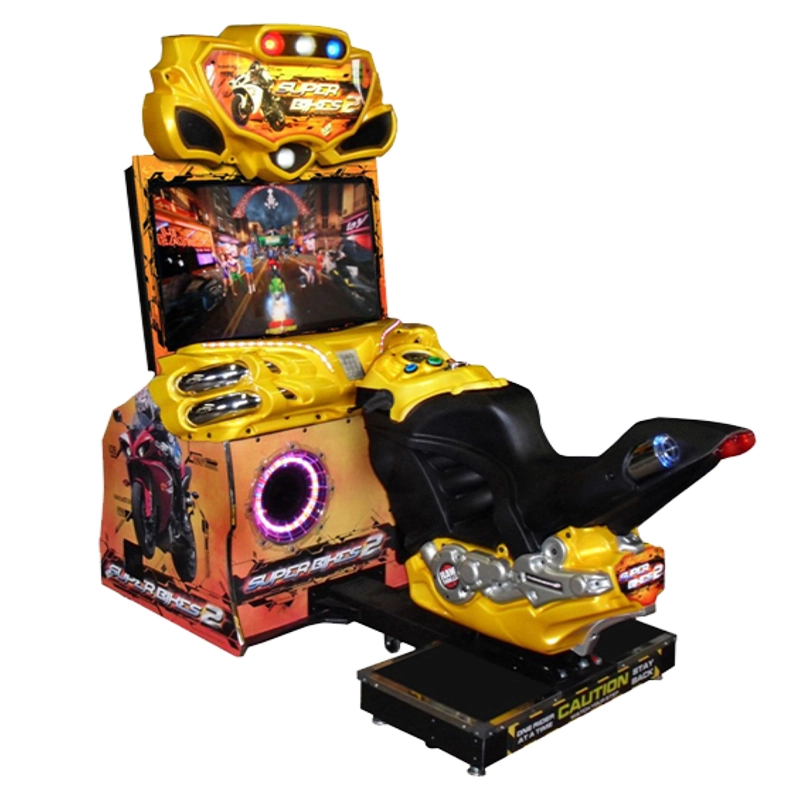
Road Rider
Can the lights and music be customized?
Yes, we offer customizable options for different venue themes.
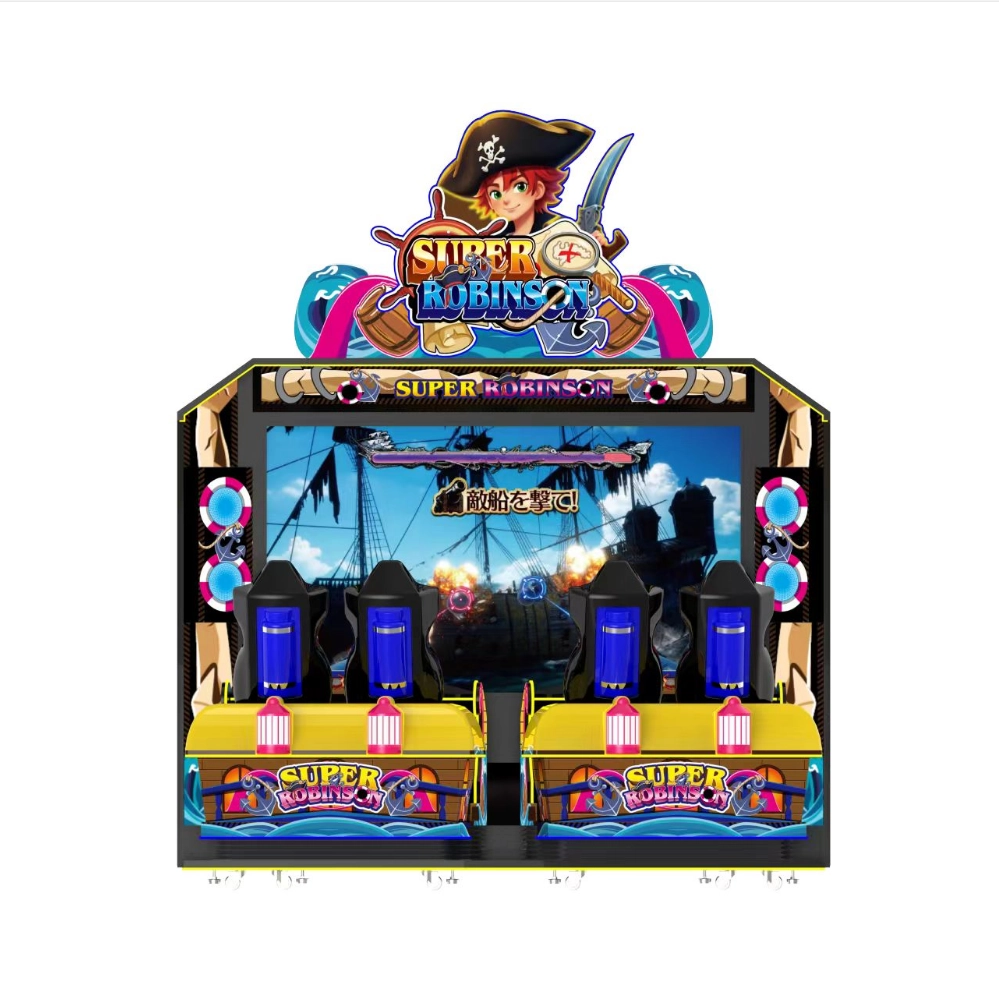
Star Hero
Is Star Hero profitable for arcade operators?
Absolutely. Its fast-paced gameplay and mix of skill and luck keep players coming back for more.
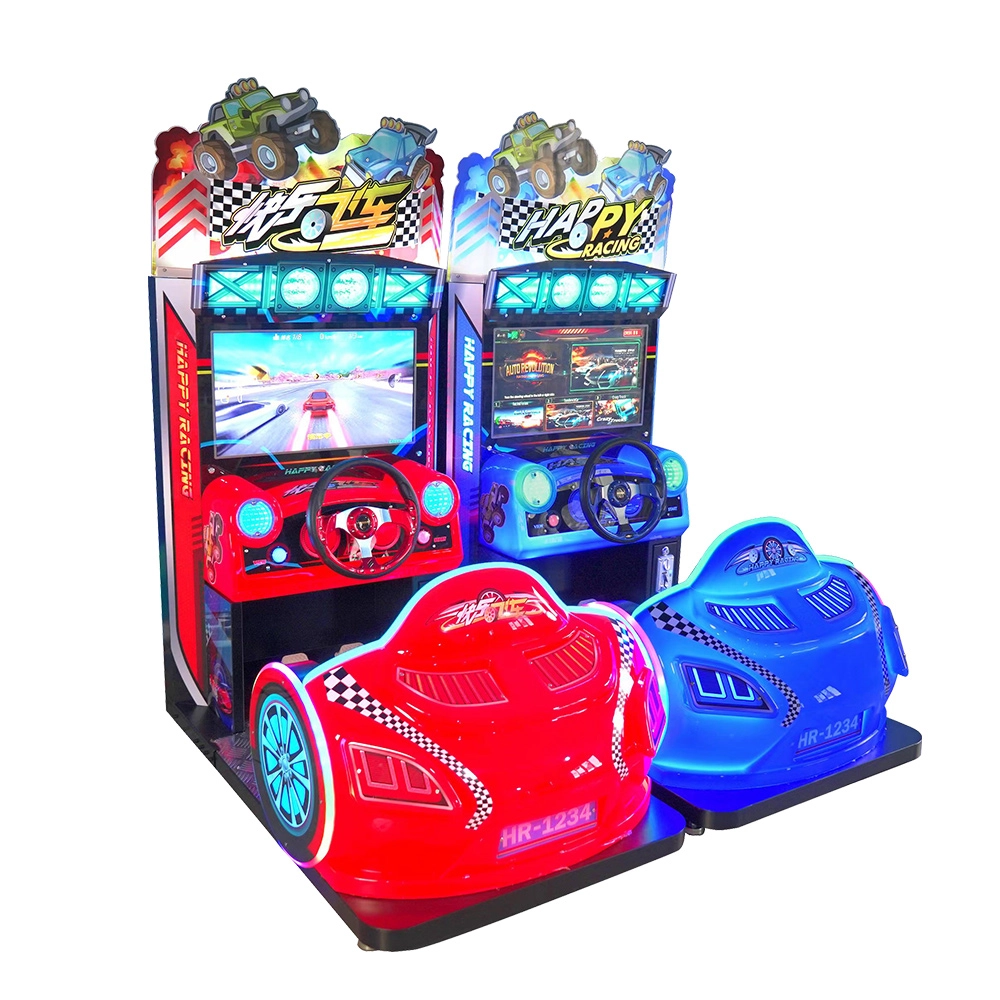
Snow Storm
How do I get support if something goes wrong with my machine?
Our customer service team provides full technical support via phone, email, and online assistance. We also offer spare parts and maintenance services to keep your machine in top condition.
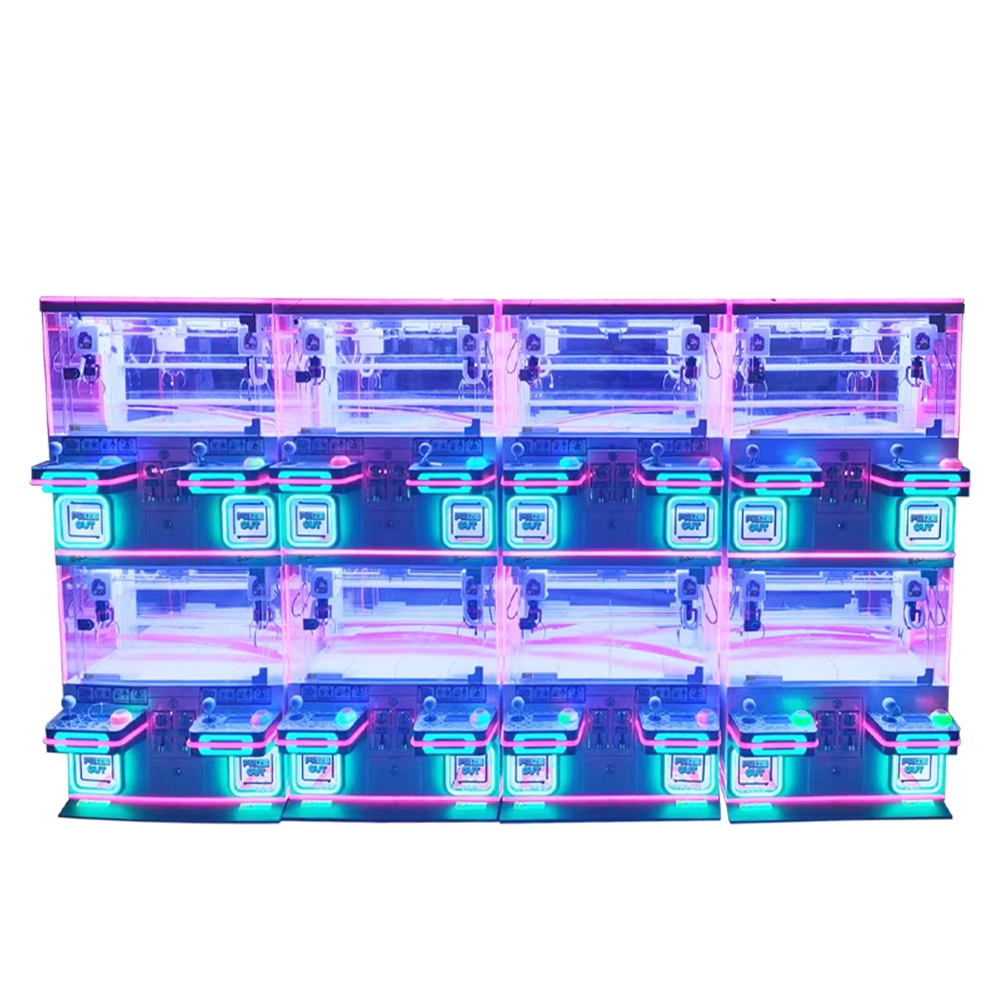
Prize Machine
Can the machine be customized with our logo or colors?
Yes, we support OEM services for branding, colors, and prize customization.
Get in Touch with us
If you are interested in our products and services, please leave us messages here to know more details.
We will reply as soon as possible.

 Scan QR Code
Youtube
Guangzhou DiniBao Animation Technology Co., Ltd
Guangzhou Dinibao Animation Technology Company Co., Ltd