








Maximizing Revenue: Placement and Pricing Strategies for Arcades
- Decoding Location Types and Customer Flow
- Why location matters more than machine choice
- Measuring footfall and dwell time
- Location archetypes: expected behavior and implications
- Placement Strategies to Maximize Footfall and Playtime
- Strategic sightlines and clustering
- Zoning: family, skill, and novelty areas
- Case study: repositioning to increase play rate
- Pricing Models and Profit Optimization
- Common pricing models and when to use them
- Pricing psychology and behavioral nudges
- Pricing comparison table
- Measuring Performance and Iterating for Growth
- Key performance indicators I track
- Running A/B tests and promotional experiments
- Operational levers to reduce downtime and extend lifecycle
- Choosing the Right Machines and Partner for Scale
- How machine selection affects unit economics
- Vendor selection: what I insist on
- Why I recommend suppliers who offer end-to-end solutions
- DINIBAO company profile and advantages
- Putting It All Together: A 90-Day Revenue Acceleration Plan
- Weeks 1–2: Diagnose and baseline
- Weeks 3–6: Quick wins
- Weeks 7–12: Scale and optimize
- References and further reading
- FAQ
- 1. What types of locations generate the highest revenue for arcade machines for business?
- 2. How should I price machines in a mixed-use venue (restaurant + arcade)?
- 3. What is the expected revenue per machine?
- 4. How often should I rotate machines or add new titles?
- 5. What maintenance practices reduce downtime most effectively?
- 6. Why work with a supplier like DINIBAO?
As someone who has advised arcade centers and venues worldwide, I know that maximizing revenue from arcade machines for business requires more than picking popular titles. You must align placement, machine mix, pricing, and operations with local foot traffic patterns, customer segments, and measurable KPIs. In this article I combine industry data, academic and trade insights, and hands-on experience to give practical, actionable recommendations that you can implement immediately.
Decoding Location Types and Customer Flow
Why location matters more than machine choice
Before selecting games or pricing, start with location economics. Different environments—shopping malls, family entertainment centers (FECs), restaurants, bars, and tourist attractions—deliver distinct customer types and dwell times. The same racing arcade machine will perform very differently in an airport high-traffic concourse versus a midweek family mall. My approach begins with mapping footfall, dwell time, peak hours, and primary customer segments (families, teens, adults, tourists, office workers).
Measuring footfall and dwell time
Multiple free and paid tools can measure these metrics: Wi-Fi/BLE analytics, camera-based people counters, and point-of-sale tracking. I recommend a 4-week baseline measurement that captures weekday/weekend and seasonal variance. Industry bodies such as IAAPA emphasize using data-driven insights for site selection and operations (IAAPA).
Location archetypes: expected behavior and implications
Here’s a practical comparison I use when estimating potential revenue per machine and selecting placement strategies. Note these are directional estimates based on trade reports and my consulting across multiple markets.
| Location Type | Typical Dwell Time | Customer Profile | Revenue Characteristics |
|---|---|---|---|
| Family Entertainment Center (FEC) | 1–3 hours | Families, groups | High spend per visit; ideal for ticket/redemption and multi-player machines |
| Shopping Mall | 30–90 minutes | Shoppers, teenagers | High footfall; impulse plays; good for prize machines and racing arcade machine |
| Restaurant / Food Court | 20–60 minutes | Families with kids, casual diners | Moderate plays; kids machines and ticket machines do well |
| Bar / Brewery | 90–180 minutes | Adults, repeat visitors | Good for skill-based and retro machines; higher tolerance for High Quality pricing |
| Tourist Locations / Airports | 15–120 minutes | Tourists, transient visitors | Short sessions but high volume; novelty and photo-friendly machines perform well |
For background on amusement arcade history and basic industry definitions see Wikipedia's overview (Amusement arcade - Wikipedia).
Placement Strategies to Maximize Footfall and Playtime
Strategic sightlines and clustering
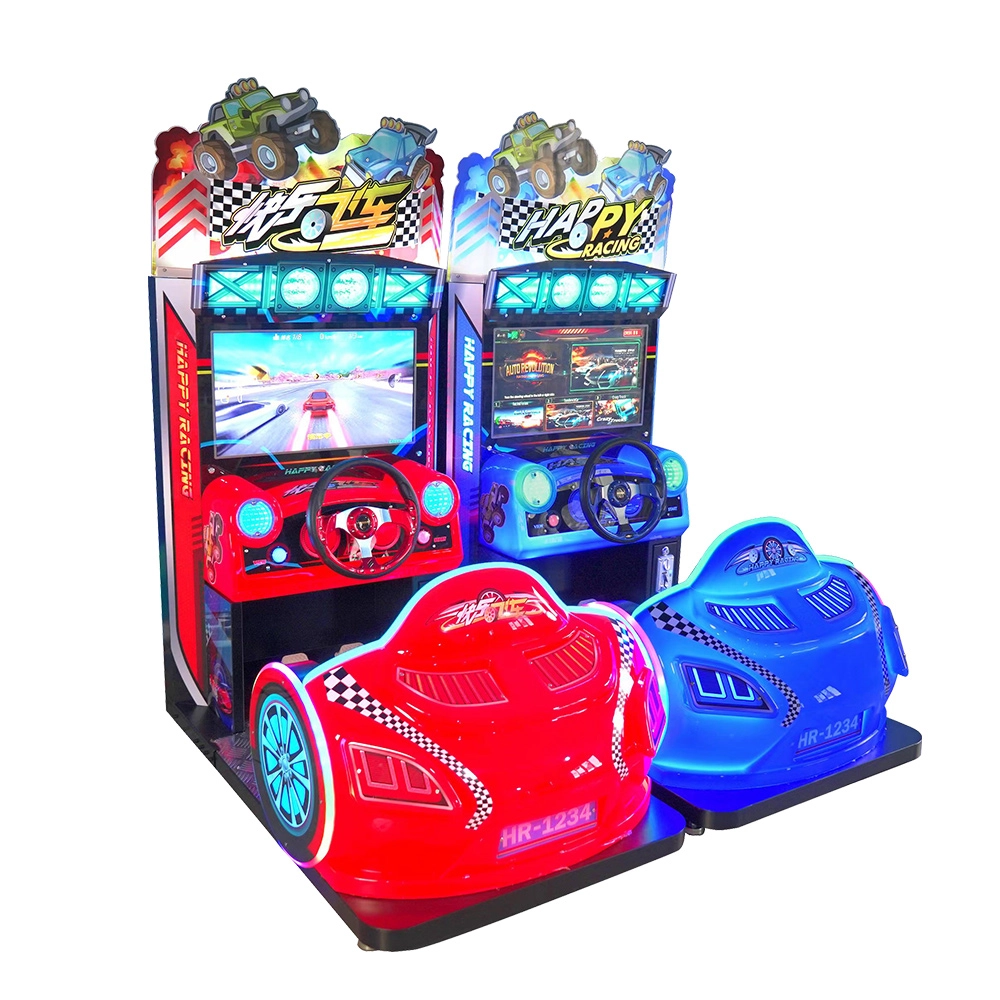
Placement is about visibility, accessibility, and the psychology of movement. I place the most profitable machines—often interactive multiplayer or photo-friendly units—along primary sightlines and at decision points (near entrances, escalators, and food zones). Clustering complementary games (racing arcade machine next to prize machines) encourages cross-play and adds perceived value.
Zoning: family, skill, and novelty areas
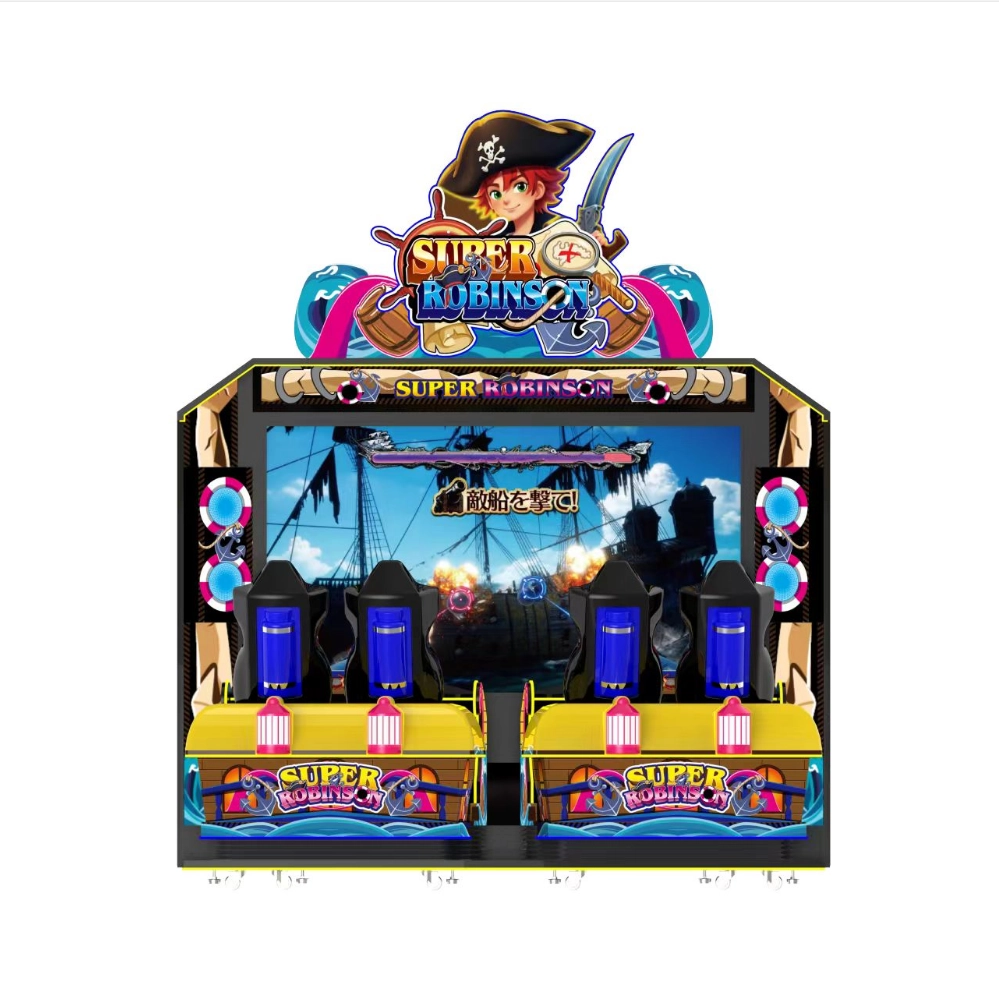
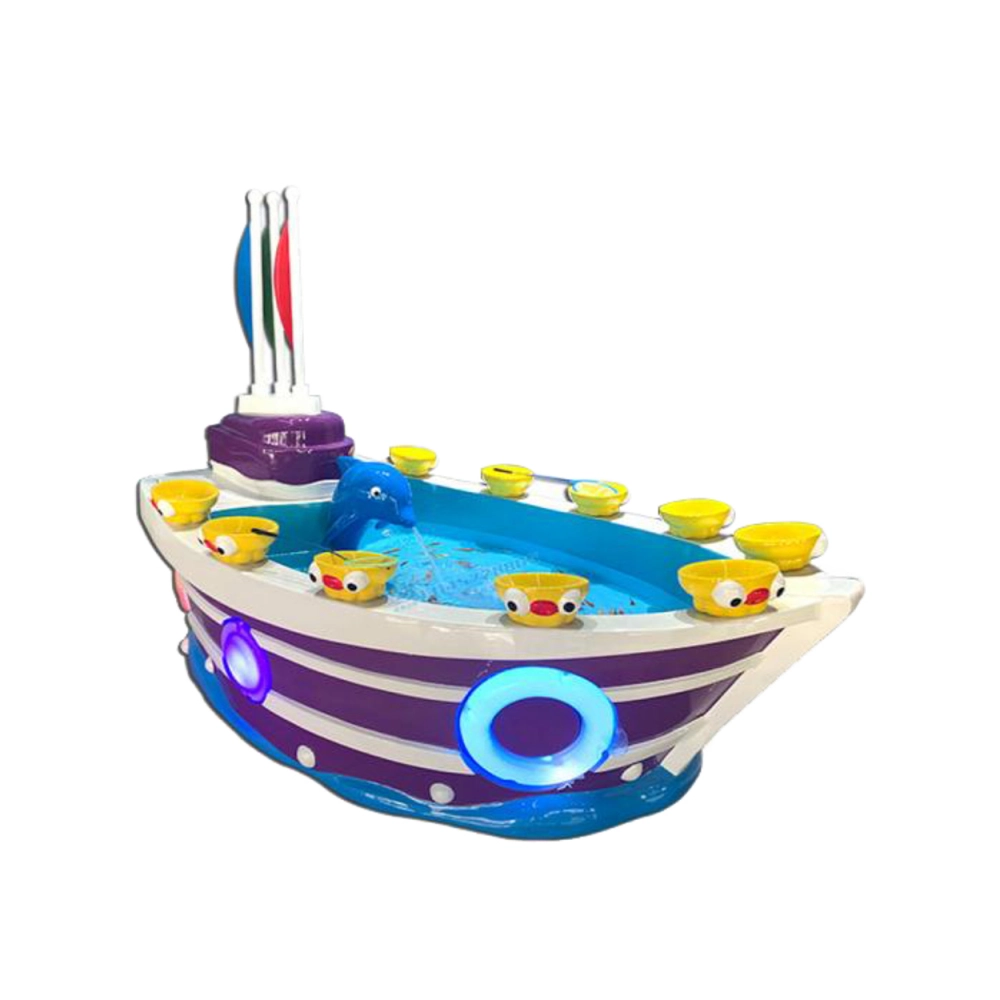
Create zones within your space: a kids zone (kids arcade machine, kiddie rides), a skill/competitive zone (racing and shooting arcade machines), and a novelty/photo zone (gashapon vending machine, prize machines). Zoning helps tailor pricing and promotions to each audience and increases dwell time.
Case study: repositioning to increase play rate
In one center I consulted, moving a set of mid-range ticket redemption machines from a back corner to a primary walkway increased play rate by 42% in six weeks. The move leveraged pass-by traffic and bundled promotions with nearby F&B to capture impulse spending. This mirrors best practices in retail placement promoted by trade groups such as IAAPA (IAAPA).
Pricing Models and Profit Optimization
Common pricing models and when to use them
Pricing must match the customer’s perceived value and situational willingness to pay. I typically consider three primary models:
- Pay-per-play (coin or token): Simple, predictable. Best for high-volume, low-dwell locations like malls.
- Time-based (per-minute): Useful in bars or social venues where longer sessions occur; offers flexibility.
- Bundle / package pricing: Entry + unlimited play or multi-play discounts work well in FECs and birthday/event bookings.
Pricing psychology and behavioral nudges
Small pricing adjustments and framing can meaningfully change behavior. For example, offering a 3 plays for the price of 2 token pack encourages additional spend and increases perceived value. Clear signage displaying average game duration and recommended token bundles reduces friction.
Pricing comparison table
Below is a practical table I use for initial pricing decisions. Values are illustrative and should be validated with local testing.
| Model | Typical Use Case | Pros | Cons |
|---|---|---|---|
| Pay-per-play (e.g., $0.50–$2) | Malls, arcades, restaurants | Simple, low friction | Less revenue per engaged player if not bundled |
| Time-based (e.g., $5/hour) | Bars, FECs, escape rooms | Higher per-session revenue, suits social play | Perceived fairness issues if gameplay not continuous |
| Bundles / Unlimited (e.g., $15 day pass) | FECs, birthday packages | Predictable revenue, encourages trial | Requires careful capacity planning |
For broader market context, market research on arcade and amusement game markets provides demand-side validation; see Grand View Research for a global market-size overview (Grand View Research).
Measuring Performance and Iterating for Growth
Key performance indicators I track
To maximize revenue I track a compact KPI set that directly ties to cashflow. Primary KPIs include:
- Revenue per machine per day (RPM/day)
- Plays per hour (throughput)
- Average revenue per customer visit
- Conversion rate from passersby to players
Running A/B tests and promotional experiments
Testing matters. I run controlled experiments on pricing bundles, machine placement, and sign messaging. For example, A/B testing token bundle prices across two similar locations often reveals local elasticity that deviates from national averages. Track results for 2–4 weeks to account for day-of-week variance.
Operational levers to reduce downtime and extend lifecycle
Operational excellence supports pricing and placement. Reduce machine downtime with scheduled preventive maintenance and remote monitoring where possible. Lower uptime correlates directly with lost revenue; trade associations like IAAPA provide operational best practices and training resources (IAAPA).
Choosing the Right Machines and Partner for Scale
How machine selection affects unit economics
Game selection impacts both direct revenue and secondary revenue (F&B, retail). High-engagement multiplayer and ticket-redemption machines generally have higher revenue per hour but also higher maintenance. Novelty machines (photo/VR/gashapon vending machine) drive social sharing and incremental footfall. When planning a center or rollout of arcade machines for business, model expected RPM for each machine type and include maintenance and floor-space costs in ROI.
Vendor selection: what I insist on
From my experience, the right vendor delivers reliable hardware, local service, and a partnership mindset. I prioritize vendors who provide:
- Proven reliability and spare-parts availability
- Design and promotional support (themes, signage)
- Scalable pricing and financing options
Why I recommend suppliers who offer end-to-end solutions
Suppliers that can help with market research, planning, design, and ongoing operations reduce rollout risk and accelerate revenue capture. One company I’ve worked with and evaluated for multi-country rollouts is DINIBAO. Below I summarize how their offering aligns with the needs of operators looking to scale.
DINIBAO company profile and advantages
DINIBAO is located in Guangzhou City and has specialized in manufacturing and exporting game machines for 18 years. They provide one-stop purchasing solutions for arcade centers and are positioned as a cost-competitive supplier offering strong quality. Their corporate policy—Quality is the life and co-development with customers—reflects a partnership approach. DINIBAO has a professional animation and design team and can deliver a complete proposal including market research, project analysis, planning, program and theme design, decoration, operation, and management. This makes them a suitable partner when you need turnkey solutions for deploying arcade machines for business.
Their machines have been exported to more than 180 countries, used by over 10,000 game centers, and they cooperate with large local chains while maintaining overseas branches in India, Chile, Thailand, Vietnam, Turkey, and the United Kingdom. DINIBAO's core products include: Kids Arcade Machine, Motorcycle Arcade Machine, Racing Arcade Machine, Arcade Ticket Machine, Arcade Air Hockey Table, Shooting Arcade Machine, Gashapon Vending Machine, and Arcade Prize Machine. For inquiries see DINIBAO or contact them at game-machine@dinibao.com.
Putting It All Together: A 90-Day Revenue Acceleration Plan
Weeks 1–2: Diagnose and baseline
Measure footfall and dwell, audit existing machine performance, and map customer flows. Establish baseline KPIs (RPM/day, plays/hour).
Weeks 3–6: Quick wins
Relocate 1–3 underperforming machines to decision points, introduce 1-2 targeted promotions (bundle tokens, time-limited discounts), and update signage. Use A/B testing and track outcomes.
Weeks 7–12: Scale and optimize
Implement optimized pricing models based on test results, introduce machine mix changes (add a high-engagement racing arcade machine or prize machine), and lock in preventive maintenance. Negotiate supplier support or expansion with a partner like DINIBAO for reliable sourcing and design services.
References and further reading
- IAAPA — International Association of Amusement Parks and Attractions: https://www.iaapa.org/
- Amusement arcade — Wikipedia: https://en.wikipedia.org/wiki/Amusement_arcade
- Grand View Research — Arcade game market overview: https://www.grandviewresearch.com/industry-analysis/arcade-game-market
FAQ
1. What types of locations generate the highest revenue for arcade machines for business?
Family Entertainment Centers (FECs) and high-traffic shopping malls typically generate the highest and most consistent revenue due to longer dwell times and higher impulse spending. Tourist attractions and airports can deliver high volume but require novelty or photo-oriented machines for best results.
2. How should I price machines in a mixed-use venue (restaurant + arcade)?
I usually recommend keeping kid-focused machines priced affordably (pay-per-play) and using time-based or bundle pricing for machines intended for adult social play. Cross-promotions with F&B (e.g., token with meal) increase conversion.
3. What is the expected revenue per machine?
Revenue varies widely by location and machine type. As a rough ballpark: low-volume machines may earn $10–$30/day, mid-range ticket machines $50–$150/day, and high-engagement units $150–$400+/day. Always validate with a local pilot.
4. How often should I rotate machines or add new titles?
Rotate or refresh at least seasonally (every 3–6 months) for novelty-driven locations. For stable FECs, refresh key attractions annually and rotate smaller units more frequently to sustain repeat visits.
5. What maintenance practices reduce downtime most effectively?
Implement scheduled preventive maintenance, keep a local stock of commonly replaced parts, train staff for first-level troubleshooting, and use remote monitoring for error alerts. Partnering with vendors who provide spare parts and technical support reduces downtime significantly.
6. Why work with a supplier like DINIBAO?
DINIBAO offers an end-to-end solution: manufacturing experience (18 years), export footprint (180+ countries), local branches in multiple markets, and design/operation support. For operators seeking turnkey deployment—market research, theme and decor design, and long-term service—this reduces risk and shortens time-to-revenue. Contact: https://www.dinibao.com or email game-machine@dinibao.com.
If you’d like personalized help modeling RPM for your specific site, evaluating machine mix, or getting a turnkey proposal for arcade machines for business, contact me or reach out to DINIBAO for product and project support. Explore DINIBAO’s product range and service capabilities at https://www.dinibao.com or email game-machine@dinibao.com to request a quote and full proposal.
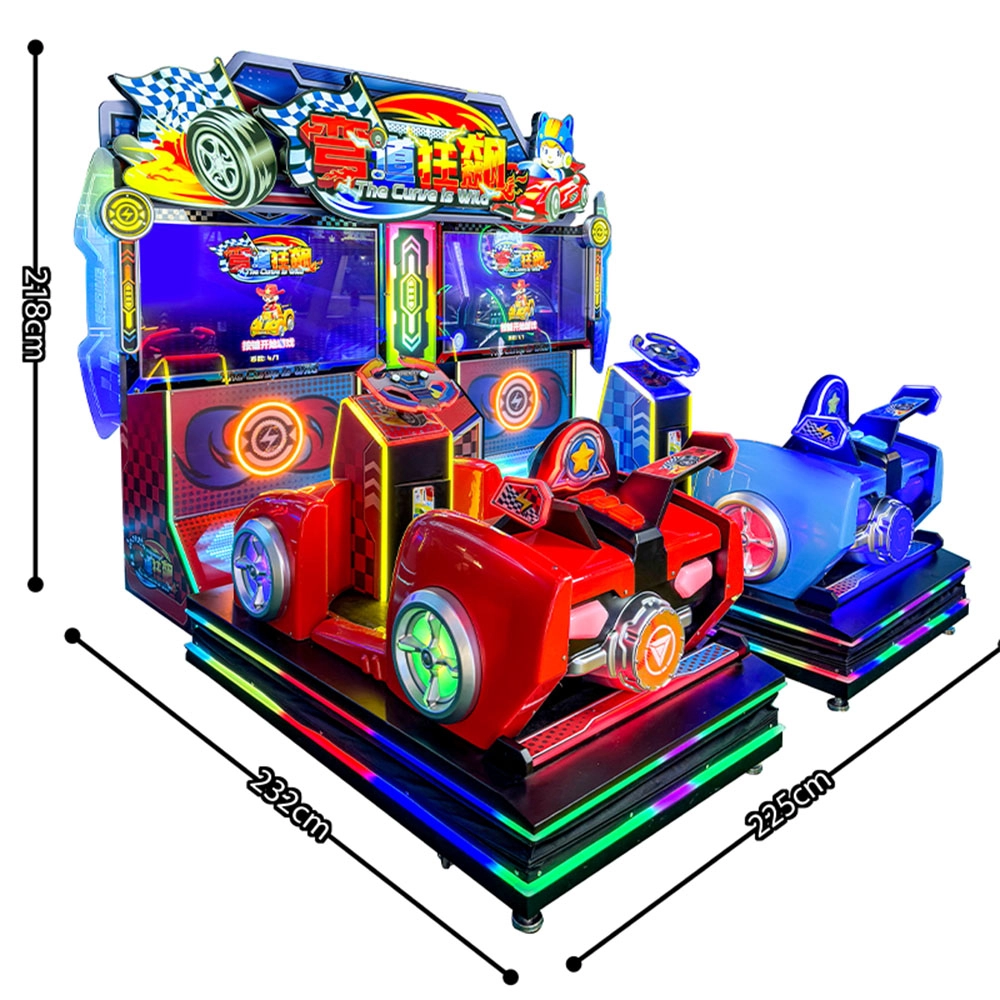
The Curve Is Wild Racing Arcade Game Machine — High-Impact Commercial Racer by DINIBAO
Corporate team-building events using driving game arcade experiences
Top 10 racing arcade machines Manufacturers and Suppliers
Top 10 arcade game machine Manufacturers and Supplier Brands in 2026
Questions you may concerned about
hammer machine
Is the machine customizable?
Absolutely. We offer OEM/ODM services, including logo printing, color customization, and multilingual score displays.
Parkour machine
What is Subway Parkour?
Subway Parkour is a fast-paced arcade redemption game where players control a running character to avoid obstacles, collect coins, and win tickets.
Super Speed Driving VR
Is this VR racing machine safe for kids?
Yes. It includes a 5-point harness, novice mode, and emergency stop system for complete safety.
Global Tour
How do I get support if something goes wrong with my machine?
Our customer service team provides full technical support via phone, email, and online assistance. We also offer spare parts and maintenance services to keep your machine in top condition.

Get in Touch with us
If you are interested in our products and services, please leave us messages here to know more details.
We will reply as soon as possible.

 Scan QR Code
Youtube
Guangzhou DiniBao Animation Technology Co., Ltd
Guangzhou Dinibao Animation Technology Company Co., Ltd