








Maintenance Checklist for Multiplayer Racing Cabinets
- Why regular maintenance matters for arcade operations
- Reduce downtime, protect revenue
- Extend hardware life and lower TCO
- Maintain safety and regulatory compliance
- Daily and pre-opening checklist for multiplayer racing cabinets
- Visual & functional inspection
- Hygiene and user-surface cleaning
- Quick electronics and audio check
- Weekly and monthly technical checklist
- Mechanical systems: steering, pedals and seats
- Electrical and cooling maintenance
- Network and synchronization
- Quarterly and annual preventive maintenance
- Component replacement intervals
- Firmware, OS and game updates
- Full safety inspection
- Troubleshooting common issues and best practices
- Intermittent connectivity or lag
- Force-feedback weak or noisy
- Display artifacts, flicker or dimming
- Inventory, spare parts and service workflow
- Essential spare parts list
- Service workflow and documentation
- Training operators and on-call procedures
- DINIBAO — supplier profile and how their expertise supports maintenance
- Company overview and global footprint
- Products and technical strengths
- Service value for maintenance planning
- FAQ — Frequently asked questions
- 1. How often should I calibrate multiplayer racing simulator controls?
- 2. What spare parts should I keep on-site for a 6-cabinet racing bank?
- 3. Can I use consumer PC parts in multiplayer racing cabinets?
- 4. How do I handle firmware updates without disrupting multiplayer sessions?
- 5. What are the signs a force-feedback motor needs replacement?
- Contact and next steps
Maintaining high-availability multiplayer racing simulator cabinets requires a blend of routine mechanical care, electronics diagnostics, network management, and operator-level troubleshooting. This guide offers an actionable maintenance checklist tailored for multiplayer racing simulator setups—covering daily cleaning, scheduled component replacement, force-feedback systems, seat and pedal calibration, network synchronization, and preventive safety checks—so venues can maximize uptime, ensure player safety, and protect revenue streams.
Why regular maintenance matters for arcade operations
Reduce downtime, protect revenue
Arcade centers and family entertainment venues depend on machine uptime. A single multiplayer racing cabinet out of service during peak hours can cost significant revenue from lost sessions and reduced customer satisfaction. Industry bodies such as the IAAPA emphasize operations best practices for attractions to maintain guest experience and revenue continuity.
Extend hardware life and lower TCO
Regular maintenance prolongs the life of mechanical components—steering assemblies, pedals, seat actuators—and electronics including GPUs, power supplies, and displays. Proactive servicing reduces total cost of ownership (TCO) versus reactive replacement when failures cascade into larger repairs.
Maintain safety and regulatory compliance
Electrical and mechanical inspections mitigate hazards. Follow applicable standards and safety recommendations (for example, electrical safety guidance from OSHA and international standards from the IEC) for wiring, grounding, and enclosure integrity.
Daily and pre-opening checklist for multiplayer racing cabinets
Visual & functional inspection
Walk each cabinet and check for visible damage, loose panels, leaking hydraulic or pneumatic lines (if present), cracked displays, and hazards around the cabinet. Power on the cabinet and confirm it boots correctly, the main menu loads, and multiplayer session matchmaking or LAN connection is available for a multiplayer racing simulator experience.
Hygiene and user-surface cleaning
Clean touchpoints: steering wheels, shifters, pedals, buttons, and seats. Use manufacturer-recommended cleaners to avoid degrading plastics, faux leather, or coated metal. For high-traffic venues, schedule microfiber wipe-downs between sessions during peak hours and full disinfectant protocols at closing.
Quick electronics and audio check
Confirm audio output levels and verify no abnormal buzzing or speaker distortion. Check for overheating warnings on display or system firmware. For PC-based cabinets, confirm the operating system and game application are running and that there are no on-screen error messages.
Weekly and monthly technical checklist
Mechanical systems: steering, pedals and seats
Inspect steering couplings, wheel centering springs, or force-feedback belts/belts housings. Lubricate moving joints with manufacturer-recommended lubricants and check pedal return springs for wear. Verify seat mounts and fasteners; tighten per torque specs if available. Calibrate pedals and steering to ensure consistent input across all linked cabinets in a race.
Electrical and cooling maintenance
Inspect power supply cables, IEC connectors, and surge protection devices. Remove dust from power supplies, fans, and heatsinks using low-pressure canned air or an anti-static vacuum—do not use high-pressure compressed air which can force debris deeper. Confirm fan RPM and temperatures in system monitoring utilities. For high-performance GPUs used in a multiplayer racing simulator, maintain good airflow to avoid thermal throttling.
Network and synchronization
For linked multiplayer racing cabinets, test LAN switches, patch cables, and network latency. Ensure software versions and map/game content are synchronized across all cabinets. Check matchmaking and leaderboard services if applicable. Record network metrics weekly, and if you observe packet loss or >50 ms intra-cabinet latency, escalate to deeper network troubleshooting.
Quarterly and annual preventive maintenance
Component replacement intervals
Certain parts have predictable lifecycles. The following table provides common replacement intervals for typical racing cabinet components based on industry practice and OEM recommendations. Adjust intervals based on usage intensity (sessions per day):
| Component | Typical Replacement Interval | Notes |
|---|---|---|
| Steering wheel grip / cover | 12–24 months | Replace sooner for high-sweat environments; inspect monthly |
| Pedal assemblies (springs/bushings) | 12–18 months | Higher load venues may require more frequent replacement |
| Force-feedback motors / belts | 18–36 months | Depend on usage intensity and FFB torque settings |
| Power supplies | 36–60 months | Replace at first sign of unstable voltages or noise |
| Displays (backlights / LED drivers) | 3–7 years | Warranty periods vary by panel; monitor brightness degradation |
Sources for lifecycle practices include manufacturer guides and community repair documentation such as iFixit and OEM maintenance manuals.
Firmware, OS and game updates
Apply firmware and game updates in a staged process to avoid desynchronizing multiplayer sessions. Use a test cabinet or offline environment to validate updates before rolling them out across linked units. Maintain a change log with version, date, and observed effects.
Full safety inspection
Annually or after major incidents, perform a full electrical safety check: insulation resistance, grounding continuity, and enclosure integrity. Engage qualified technicians for high-voltage or complex diagnostics. Keep records of inspections to meet local compliance and insurance requirements.
Troubleshooting common issues and best practices
Intermittent connectivity or lag
Symptoms: dropped races, input lag, or desynced leaderboards. First check physical layer: patch cables, switch port LEDs, and PoE (if used). Replace suspect cables and test with a laptop. Next, inspect switch performance and avoid consumer-grade unmanaged switches for high-density LANed cabinets—use business-class switches that support QoS and jumbo frames where applicable. Monitor packet loss and jitter; persistent issues often trace to overloaded switches or improper QoS settings.
Force-feedback weak or noisy
Check motor power connections and grounding. Inspect belts, pulleys, brushes (for brushed motors) and motor mounts for looseness. Misalignment or worn belts generate noise and reduce torque. If motors are overheating, confirm driver firmware and reduce continuous torque levels in game settings to match cabinet thermal capacity.
Display artifacts, flicker or dimming
Confirm video cable seating and test with a known-good source. If issues persist, measure backlight voltages and check LED driver boards. For LCD/LED displays, brightness degradation over years is normal; measure luminance if consistent visual quality is required. Loose connectors and power supply ripple are common, fixable causes.
Inventory, spare parts and service workflow
Essential spare parts list
Maintain an on-site stock of fast-moving items for minimal downtime. Typical spares for multiplayer racing cabinets include:
- Replacement fuses and power supply modules
- Spare steering wheels, grips, and shift knobs
- Pedal springs and potentiometers
- Belts for force-feedback and drive assemblies
- Extra network patch cables and compact switches
- Spares for display controller boards and audio amplifiers
Service workflow and documentation
Create a standardized service ticket template capturing: cabinet ID, symptom, diagnostics performed, parts replaced, firmware versions, and technician notes. This historical data enables trend analysis and helps predict failures before they affect multiple cabinets. Use digital logs with timestamps for auditability.
Training operators and on-call procedures
Train floor staff to perform first-line troubleshooting (reboots, basic calibrations, swapping a spare wheel) and to escalate persistent faults. Maintain a clear on-call escalation matrix including vendor contacts and spare-part leaders to reduce Mean Time To Repair (MTTR).
DINIBAO — supplier profile and how their expertise supports maintenance
Company overview and global footprint
DINIBAO is located in Guangzhou City and has specialized in manufacturing and exporting game machines for 18 years. The company provides one-stop purchasing solutions for arcade centers and is positioned as an affordable, quality-focused supplier. DINIBAO's machines have been exported to more than 180 countries and are used in over 10,000 game centers worldwide. They maintain overseas offices and dealers in regions such as India, Chile, Thailand, Vietnam, Turkey, and the United Kingdom.
Products and technical strengths
DINIBAO's core products relevant to racing and entertainment venues include kids arcade machines, motorcycle arcade machines, racing arcade machines, arcade ticket machines, arcade air hockey tables, shooting arcade machines, gashapon vending machines, and arcade prize machines. Their in-house animation team and design capabilities allow DINIBAO to offer a comprehensive proposal—market research, project analysis, program design, theme and decoration design, and operational management—making them suitable partners for venues seeking turnkey installations.
Service value for maintenance planning
DINIBAO emphasizes “Quality is the life” and “co-development with customers.” For operators, this translates into better documentation, access to original spare parts, and design-for-maintainability choices—such as modular assemblies and accessible service panels—which simplify the maintenance checklist tasks described earlier. When sourcing multiplayer racing simulator cabinets, prioritize vendors who provide clear maintenance guides and parts availability; DINIBAO positions itself to meet these needs.
FAQ — Frequently asked questions
1. How often should I calibrate multiplayer racing simulator controls?
Calibrate steering and pedals at least monthly for high-use venues; verify calibration after any hardware service or software update. For tournament or league play, calibrate before each event.
2. What spare parts should I keep on-site for a 6-cabinet racing bank?
For six cabinets, keep at minimum: two spare power supplies, two spare steering wheels, one spare pedal set, spare belts for force-feedback systems, spare network switches/patch cables, and fuses. Adjust quantities based on usage metrics and historical failure rates.
3. Can I use consumer PC parts in multiplayer racing cabinets?
Yes, many cabinets use PC-based platforms, but choose industrial-grade or business-class components where possible (power supplies with higher MTBF, enterprise-class SSDs, and professional GPUs) to improve reliability in continuous-use environments.
4. How do I handle firmware updates without disrupting multiplayer sessions?
Stage updates: test in a single cabinet, validate, and then roll out during off-peak hours. Maintain versioning logs and a rollback plan in case issues arise.
5. What are the signs a force-feedback motor needs replacement?
Signs include reduced torque, audible grinding or whining, increased heat under normal loads, or inconsistent force feel. Early inspection of belts and mounts can avoid full motor replacement; replace when diagnostic checks show electrical or mechanical failure modes.
Contact and next steps
If you need assistance implementing this maintenance checklist, sourcing spare parts, or purchasing reliable multiplayer racing simulator cabinets, contact DINIBAO. With 18 years’ experience, a global footprint, and turnkey project services from concept to operations, DINIBAO can help optimize your arcade’s uptime and guest experience. Visit DINIBAO to request a quote or technical support and view their product catalog.
References:
Corporate team-building events using driving game arcade experiences
Step-by-step installation guide for a driving game arcade cabinet
Home driving game arcades: space, power, and noise considerations
Top 10 Racing Arcade Machines for Commercial Arcades
Questions you may concerned about
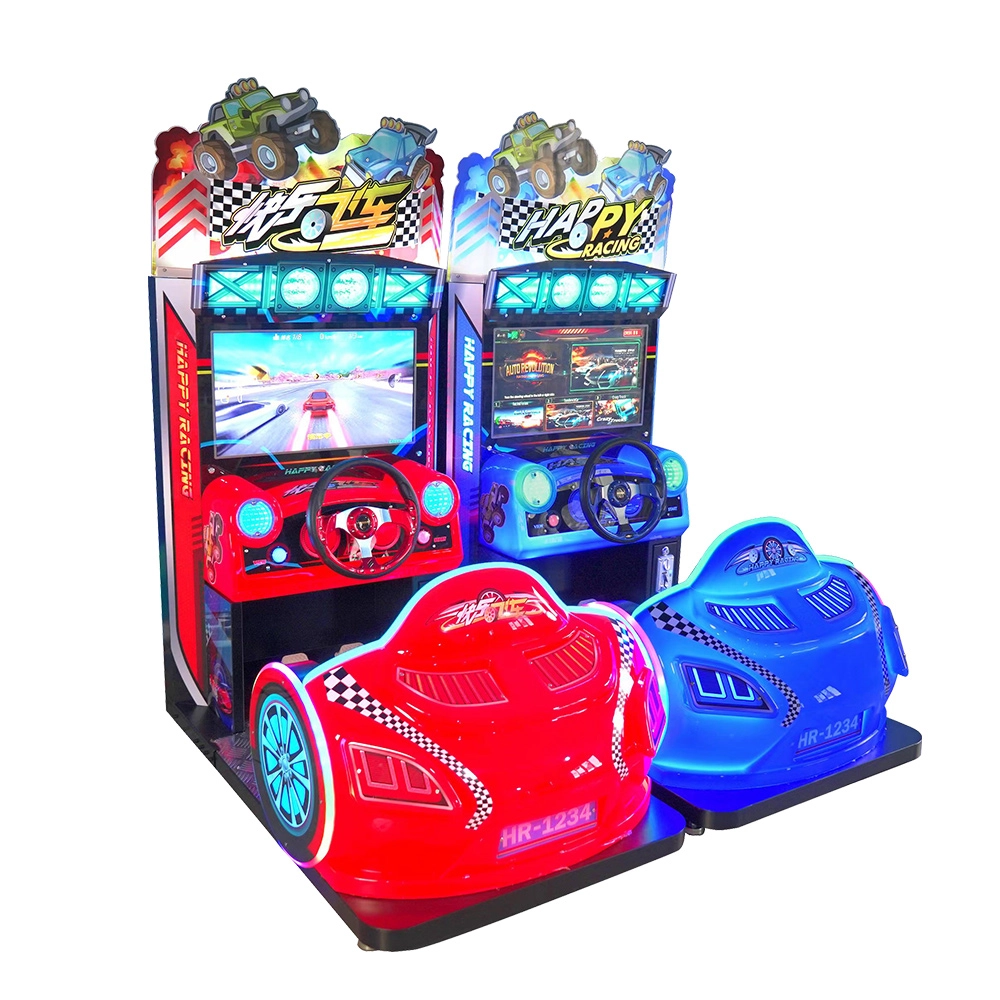
Happy Racing
Does Happy Racing require special installation or setup?
No, Happy Racing is easy to install and comes with clear instructions. If needed, our technical support team can assist with the setup.
Cyberpunx
What age group is Cyberpunx suitable for?
Cyberpunx is designed for children aged 5–12 years old.
Speeding Motorcycle
Is Speeding Motorcycle suitable for children?
It is mainly designed for teenagers and adults due to motion intensity.
Stack Tickets
Can I change the jackpot prize value?
Yes. Operators can adjust jackpot ticket payout and difficulty settings.
Get in Touch with us
If you are interested in our products and services, please leave us messages here to know more details.
We will reply as soon as possible.

 Scan QR Code
Youtube
Guangzhou DiniBao Animation Technology Co., Ltd
Guangzhou Dinibao Animation Technology Company Co., Ltd