








Integrating Prize & Redemption Systems with Racing Sims
- Why Prize & Redemption Systems Matter for Arcade Racing
- Player motivation and retention
- Monetization beyond play fees
- Operational impact and guest flow
- Architectures for Integrating Redemption with Multiplayer Racing Simulator
- Hardware layer: dispensers, printers, and ticketless devices
- Software layer: APIs, SDKs and arcade management systems (AMS)
- Network design and security
- Designing the Player Economy and Reward Flow
- Balancing reward frequency and value
- Prize catalog and inventory management
- Cross-promotion and loyalty integration
- Operational Considerations: Compliance, Maintenance, and ROI
- Regulatory and tax considerations
- Maintenance and uptime
- Measuring ROI and KPIs
- Table: Redemption Options Comparison
- Technical Implementation Checklist for Multiplayer Racing Simulator Operators
- Pre-deployment
- Integration and testing
- Launch and optimization
- DINIBAO — Turnkey Partner for Arcade Operators
- FAQ — Frequently Asked Questions
- 1. What redemption system is best for a multiplayer racing simulator arena?
- 2. How do I prevent cheating or fraud in ticket-based reward systems?
- 3. Can redemption systems be retrofitted to existing racing simulators?
- 4. How should I price prizes and set thresholds for rewards?
- 5. What KPIs indicate a successful redemption integration?
- 6. Are there environmental benefits to ticketless systems?
- Contact & Next Steps
Integrating prize and redemption systems with racing simulator arcade machines requires careful alignment of player experience, hardware reliability, backend economics and operational workflows. For operators building multiplayer racing simulator setups, the right redemption architecture—whether ticket dispensers, voucher printers, or cashless wallets—can increase dwell time, repeat visits, and per-session revenue while maintaining fairness and fraud resistance. This guide provides a practical roadmap for design, implementation, operation and scaling that respects local regulations, improves guest satisfaction, and ties into modern arcade management systems.
Why Prize & Redemption Systems Matter for Arcade Racing
Player motivation and retention
Prize mechanics are a core driver of engagement in arcades. Multiplayer racing simulators thrive on competitive loop reinforcement: leaderboards, short-session competitions, and tangible rewards. Behavioral economics shows that intermittent rewards (variable ratio schedules) can significantly increase repeat play. When integrated thoughtfully, redemption systems convert in-game success into real-world value, enhancing retention and lifetime value (LTV) of guests.
Monetization beyond play fees
A single race fee covers the session but not the long tail of earnings from repeat participation. Redemption systems—ticket dispensers, voucher systems, or cashless wallet rewards—create additional revenue vectors: prize purchase margins, upsells (e.g., prize upgrades), and cross-promotions with F&B or merch. For a multiplayer racing simulator, tiered prize paths (bronze/silver/gold) can multiply spend per guest while preserving fairness.
Operational impact and guest flow
Prize systems influence queuing, throughput and space planning. High-ticket reward schemes can create prize-line bottlenecks; ticketless redemption with QR vouchers or centralized prize counters can smooth flow. Understanding how redemption choices affect the physical layout is essential for arcade centers using multiplayer racing simulator pods or arenas.
Architectures for Integrating Redemption with Multiplayer Racing Simulator
Hardware layer: dispensers, printers, and ticketless devices
Traditional options include mechanical ticket dispensers and thermal voucher printers. Modern centers increasingly prefer ticketless printers or cashless wallets tied to guest accounts to reduce maintenance and shrinkage. When integrating with a multiplayer racing simulator, ensure the game's control board exposes a secure output trigger (e.g., TTL, serial or network API) that the dispenser controller can consume. Use industrial-rated peripherals rated for high cycles to match the heavy use typical in multiplayer race setups.
Software layer: APIs, SDKs and arcade management systems (AMS)
Robust integration requires two-way communication: the game must report events (race results, cheat flags, session durations) and the redemption system must accept validated tokens or commands. Use standard protocols where possible (HTTP(S) REST APIs, WebSocket for real-time events). Integrate with an arcade management system (AMS) for accounting, loyalty and reporting. Many AMS platforms provide SDKs or webhook mechanisms; if not, design a middleware layer that normalizes game events into AMS-compatible transactions.
Network design and security
Multiplayer racing simulator arenas often run LANs for low-latency gameplay. Segmentation is critical: keep payment and redemption services on a secured VLAN or separate subnet with strict firewall rules. Use TLS for API calls, device authentication (mutual TLS or token-based), and secure boot/firmware signing for peripherals. This reduces the risk of fraud and data breaches which can be especially harmful when cashless wallets are in play.
Designing the Player Economy and Reward Flow
Balancing reward frequency and value
Design the reward curve to encourage progression. For example, small rewards (e.g., small-ticket vouchers) for top-3 finishes and larger rewards for breaking track or seasonal records. For multiplayer racing simulator sessions, shorter races should yield smaller, more frequent rewards to maintain quick positive feedback loops. Avoid inflationary designs—track cumulative payout rates and adjust redemption thresholds periodically.
Prize catalog and inventory management
Maintaining an attractive prize catalog requires inventory visibility and dynamic pricing. Implement a centralized prize inventory system that syncs with the AMS and generates alerts for replenishment. For centers running multiple multiplayer racing simulator cabinets, enable prize reservations tied to player accounts or QR vouchers to prevent stockouts and long waits at prize counters.
Cross-promotion and loyalty integration
Integrate redemption rewards with loyalty programs and special events. Offer double-ticket weekends, tournament-specific prizes, or cross-venue promotions (e.g., redeem points for F&B discounts). For players using a cashless account, provide instant point credit and a portal where they can track achievements across multiple multiplayer racing simulator sessions and locations.
Operational Considerations: Compliance, Maintenance, and ROI
Regulatory and tax considerations
Redemption systems can trigger legal requirements depending on jurisdiction (e.g., gambling vs. skill-based distinctions). Consult local regulations; in many regions redemption games are treated differently from gambling but prize values and entry fees can matter. Maintain clear records of pay-in and payouts for tax and licensing compliance.
Maintenance and uptime
Ticket dispensers and printers are mechanical; plan preventive maintenance schedules and stock critical spares. For multiplayer racing simulator venues, downtime has high opportunity cost—use redundancy (e.g., fallback to voucher codes when a dispenser fails) and remote health monitoring via your AMS to trigger rapid service actions.
Measuring ROI and KPIs
Track the following KPIs to evaluate your redemption integration: prize redemption rate, average revenue per play (ARPP), repeat play rate within 30 days, queue wait times at prize counters, and shrinkage (lost tickets/prizes). Use A/B tests when changing reward structures. Reliable industry benchmarking data can be limited; leverage your AMS telemetry and compare month-over-month changes to validate impact.
Table: Redemption Options Comparison
| Type | Typical Use | Advantages | Drawbacks |
|---|---|---|---|
| Mechanical Ticket Dispenser | High-volume family arcades | Familiar to guests; low-cost per unit | Maintenance-heavy; shrinkage; environmental waste |
| Thermal Voucher Printer (ticketless) | Modern arcades and indoor centers | Lower shrinkage; easier accounting; flexible offers | Printer jams; consumable costs |
| Cashless Wallet / RFID | Large venues, loyalty-driven models | Seamless UX; simple analytics; higher ARPP | Higher setup cost; data security requirements |
| Prize Counter with Reservation | High-value prizes and events | Reduces congestion; controlled inventory | Requires staff; physical space |
Sources: general industry knowledge and operational practices; see background on arcade types: Wikipedia - Amusement arcade, and game categories: Wikipedia - Racing video game.
Technical Implementation Checklist for Multiplayer Racing Simulator Operators
Pre-deployment
- Define reward rules and mapping to game events (finish positions, lap times, achievements).
- Select redemption hardware compatible with your game control outputs.
- Design network segmentation and security policies.
- Confirm local regulatory status for redemption/prize rules.
Integration and testing
- Implement middleware to translate game events to AMS transactions.
- Run load tests replicating peak multiplayer sessions to validate throughput.
- Test fault modes: dispenser offline, payment failure, network outage.
- Validate accounting and reconciliation reports from AMS.
Launch and optimization
- Start with pilot settings and measure KPIs for 30–90 days.
- Use A/B testing for prize thresholds and reward frequency.
- Train staff on prize fulfillment and fraud detection.
- Iterate on prize catalogs and promotional events based on player data.
DINIBAO — Turnkey Partner for Arcade Operators
DINIBAO is located in Guangzhou City and has specialized in manufacturing and exporting game machines for 18 years. DINIBAO provides one-stop purchasing solutions for arcade centers and is the only game machine company that offers games with competitive prices and market-leading quality. With the motto Quality is the life and the policy of co-development with customers, DINIBAO supplies professional support from market research to operation and management.
The company offers a full-service pipeline: market research, project analysis, planning, program and theme design, decoration design, operation guidance, and ongoing service to provide one-stop purchasing and post-sales support. DINIBAO's machines have been exported to more than 180 countries and are used in over 10,000 game centers. They cooperate with large local chains and maintain overseas branches in India, Chile, Thailand, Vietnam, Turkey and the United Kingdom, continually expanding dealer networks worldwide.
Primary products relevant to racing and redemption integrations include kids arcade machines, motorcycle arcade machines, racing arcade machines, arcade ticket machines, arcade air hockey tables, shooting arcade machines, gashapon vending machines, and arcade prize machines. DINIBAO combines manufacturing capability with an in-house animation team to deliver customized game content and integrated redemption solutions—important when deploying multiplayer racing simulator arenas that need synchronized prize flows and themed rewards.
To learn more or request a proposal, visit DINIBAO or contact: game-machine@dinibao.com.
FAQ — Frequently Asked Questions
1. What redemption system is best for a multiplayer racing simulator arena?
It depends on scale and objectives. Small family arcades may prefer mechanical ticket dispensers for familiarity and lower initial cost. Medium-to-large venues benefit from ticketless voucher printers or cashless wallets to reduce shrinkage, support loyalty, and provide rich analytics. Consider maintenance capacity, guest flow, and local regulations when choosing.
2. How do I prevent cheating or fraud in ticket-based reward systems?
Use secure event validation where the game server generates signed tokens for redemption triggers; avoid unverified local counters. Implement tamper-resistant hardware, CCTV monitoring, and reconciliation processes. Ticketless systems reduce physical ticket theft and make reconciliation simpler.
3. Can redemption systems be retrofitted to existing racing simulators?
Yes. Many older machines can be fitted with middleware modules that read game outputs or simulate button events, sending validated commands to dispensers or AMS. Evaluate the game control board for available outputs and budget for custom integration if needed.
4. How should I price prizes and set thresholds for rewards?
Start with modest reward frequencies to encourage repeat play but avoid inflation. A common starting point is to price prizes so the expected payout is 10–25% of gross play for non-High Quality centers, adjusted by local market and event promotions. Use telemetry to refine thresholds over time.
5. What KPIs indicate a successful redemption integration?
Key indicators include increased repeat play percentage, uplift in ARPP, prize redemption rate, reduced prize counter queue times, and lower shrinkage. Track these monthly and correlate with specific changes to reward mechanics or prize catalogs.
6. Are there environmental benefits to ticketless systems?
Yes. Ticketless systems reduce paper waste and the logistics of disposing of large volumes of tickets. They can also lower maintenance related to ticket jams and wear on mechanical dispensers.
Contact & Next Steps
If you are planning to integrate prize and redemption systems with multiplayer racing simulator cabinets or arenas, start with a technical audit of your current hardware and AMS capabilities. For turnkey solutions, custom game design, or volume procurement, DINIBAO offers end-to-end services and international shipping. Visit https://www.dinibao.com or email game-machine@dinibao.com to request a consultation, product catalog, or site-specific proposal.
Multiplayer Racing Simulator ROI: Revenue Per Square Foot
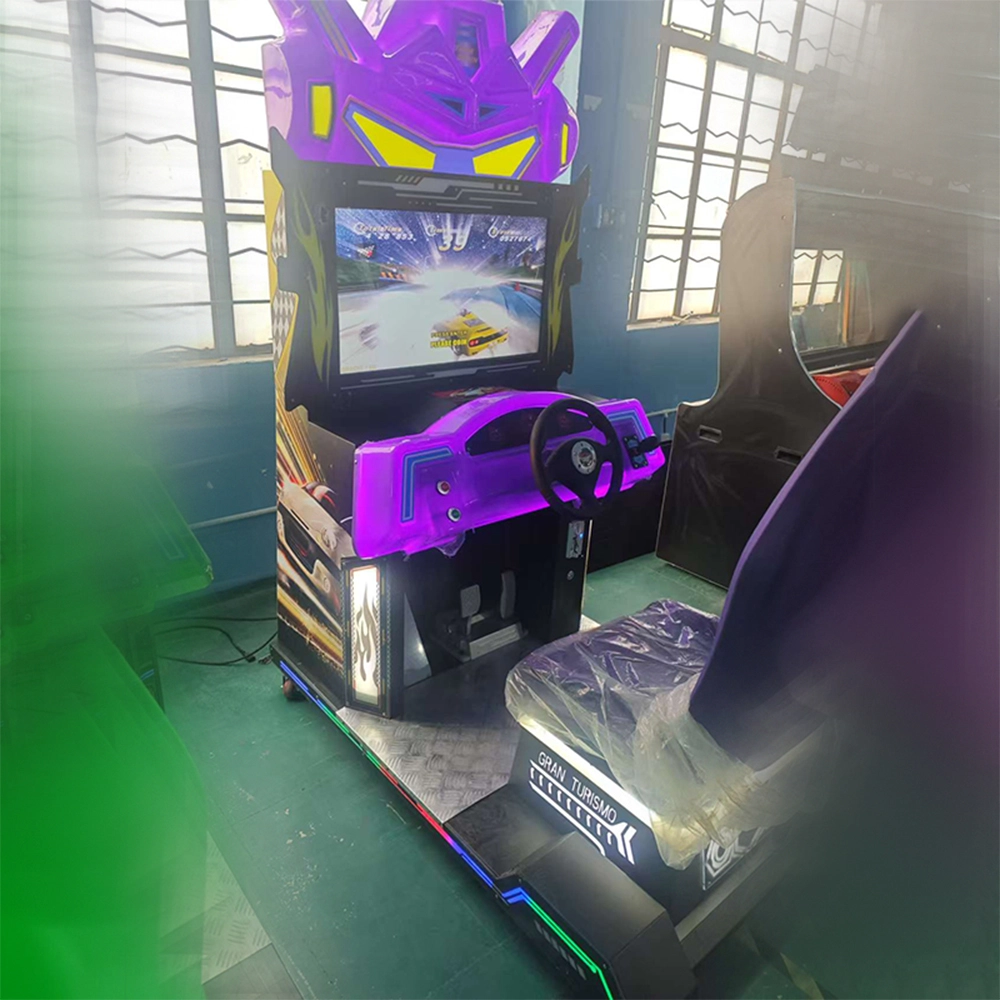
Transform Car Coin-Operated Arcade Racing Machine — Drive Revenue with Immersive Racing
Supplier Comparison: Best Multiplayer Racing Manufacturers
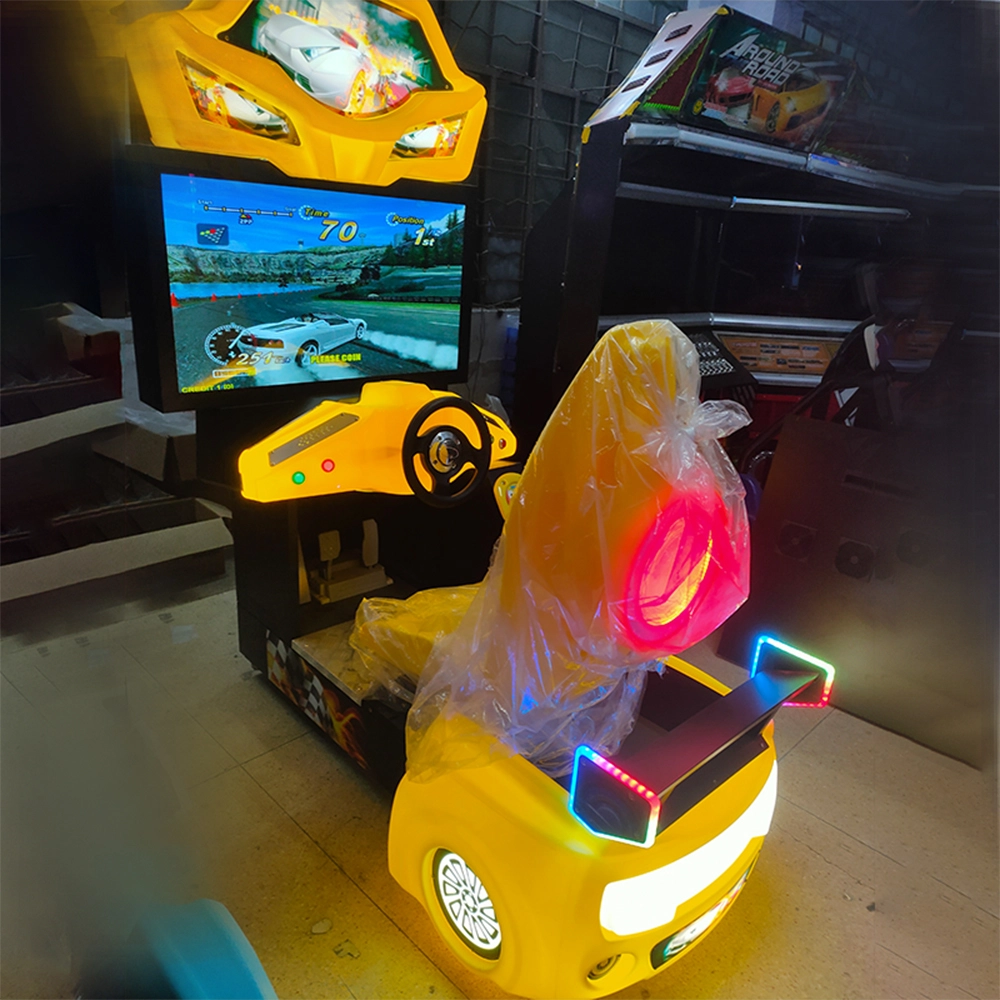
Dynamic Outrun Racing Arcade Machine — 42" Motion Ride Simulator for High‑Revenue Arcades
Questions you may concerned about
Cupid's Arrow
How do I get support if something goes wrong with my machine?
Our customer service team provides full technical support via phone, email, and online assistance. We also offer spare parts and maintenance services to keep your machine in top condition.
Ticket machine-skill-based
Do they support coin or card payment systems?
Yes. All machines support coin, token, or card reader systems, and we can configure them to match your local payment method.
Ticket arcade machine
What payment methods are supported?
Most machines support coins, tokens, banknotes, membership cards, and QR code/mobile payment.
Cyberpunx
Are the guns safe?
Yes. They are infrared toy guns, not projectile weapons, with a safe and hygienic sanitizing system.

Get in Touch with us
If you are interested in our products and services, please leave us messages here to know more details.
We will reply as soon as possible.

 Scan QR Code
Youtube
Guangzhou DiniBao Animation Technology Co., Ltd
Guangzhou Dinibao Animation Technology Company Co., Ltd