







Customizing Racing Arcade Machines: Cabinets, Controls, Branding
- Designing the Racing Experience
- Why cabinet design matters for player engagement
- Choosing form factor: sit-down, upright, or motion
- Controls and Hardware: Balancing Realism, Durability, and Cost
- Steering systems — types and trade-offs
- Pedals, shifters, and additional controls
- Cabinet Materials, Visual Design, and Branding
- Materials and construction for longevity
- Branding, artwork, and theme integration
- Integration, Software, and Operational Considerations
- Hardware-software integration
- Accessibility, serviceability, and total cost of ownership
- Supplier Selection, Manufacturing, and Case Study: DINIBAO
- How to evaluate suppliers for racing arcade machines
- DINIBAO — one-stop solutions from Guangzhou
- Practical Checklist & Cost Considerations
- Pre-purchase checklist for operators
- Estimating costs and ROI
- FAQ — Frequently Asked Questions
- 1. What form factor is best for a family entertainment center?
- 2. How do I choose between force-feedback and encoder steering wheels?
- 3. What is the expected maintenance schedule for racing arcade machines?
- 4. Can branding be updated without replacing the entire cabinet?
- 5. How important is remote telemetry for arcade machines?
- 6. What certifications or standards should I look for?
- Contact & Next Steps
- References
Designing the Racing Experience
Why cabinet design matters for player engagement
Cabinet design is the physical and psychological frame for any racing arcade machine. A well-designed cabinet not only houses hardware but also sets player expectations: scale, ergonomics, accessibility, and visual appeal. Proper sightlines to the screen, realistic seating position, pedal placement, and vibration feedback influence immersion and repeat play. Cabinet choices also affect maintenance, floor footprint, and transport costs—key considerations for arcade operators.
Choosing form factor: sit-down, upright, or motion
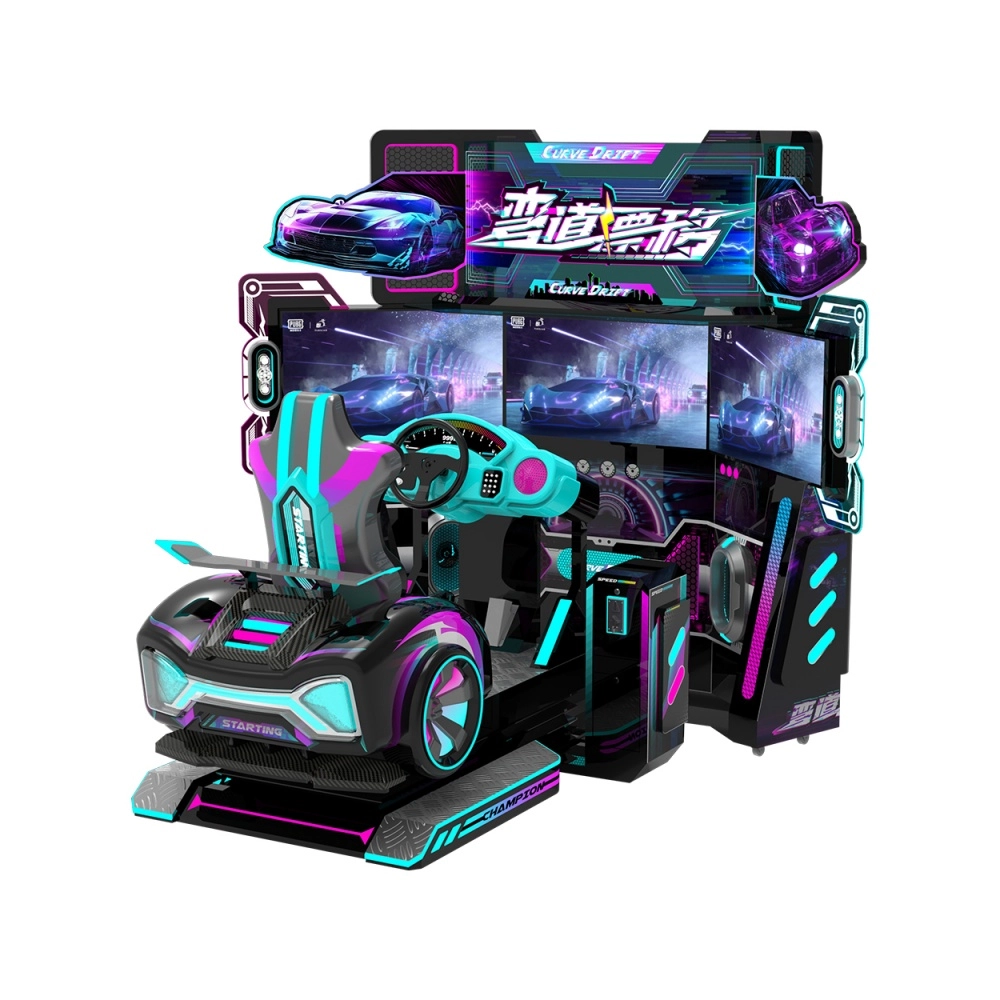
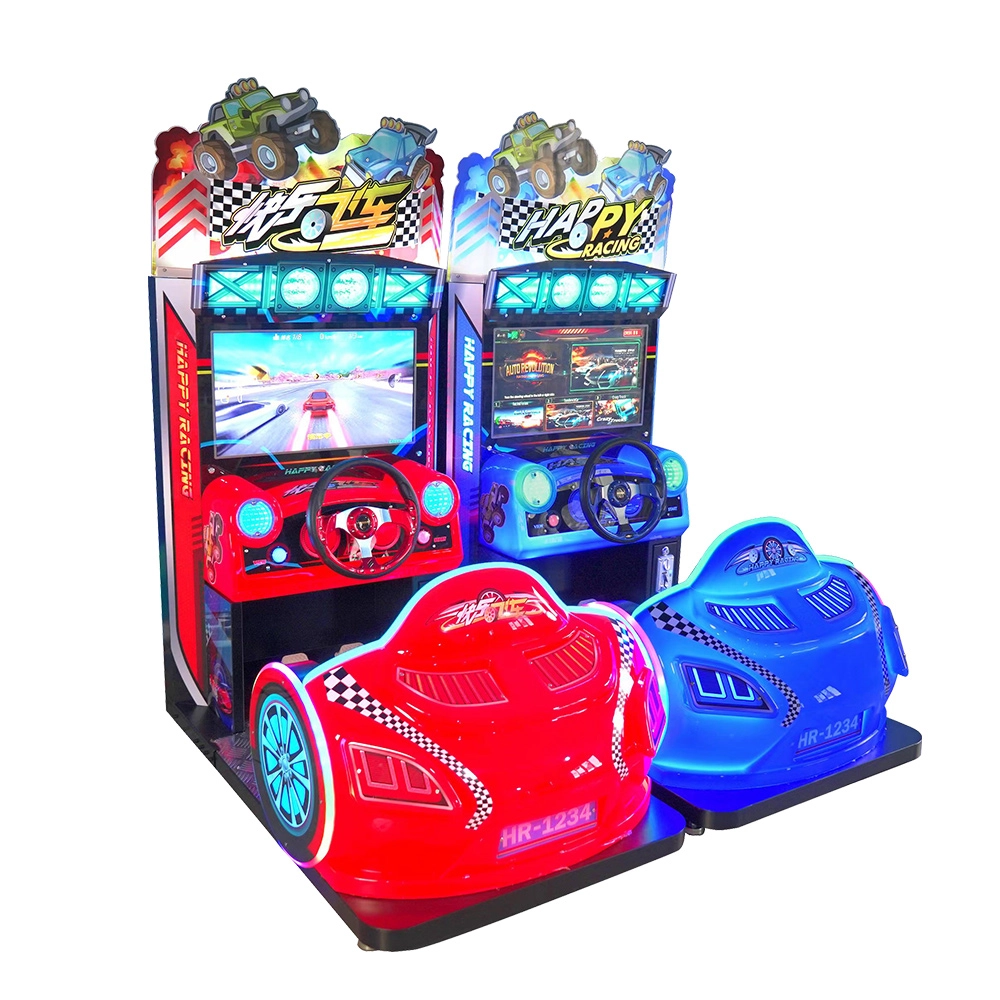
Racing arcade machines are commonly offered in three form factors. Sit-down cabinets prioritize realism with integrated seats and dashboards; upright cabinets save floor space and are easier to relocate; motion or hydraulic units add high immersion but increase complexity and total cost of ownership. The right form factor depends on target venue (family entertainment center, shopping mall, bar), anticipated play session length, and budget for maintenance.
Controls and Hardware: Balancing Realism, Durability, and Cost
Steering systems — types and trade-offs
Steering choice defines the tactile feel of a racing arcade machine. Common options include:
| Type | Pros | Cons | Best use |
|---|---|---|---|
| Force-feedback wheel | High realism, configurable resistance | Higher cost, more maintenance | High Quality cabinets, simulation-focused venues |
| Spring-return/encoder wheel | Lower cost, durable | Less realistic; limited torque sensation | Family arcades, high-throughput locations |
| Direct-drive wheel | Top-tier realism and response | Very expensive, complex | High-end simulators and training centers |
Choice should match expected revenue per machine and maintenance capability. For most commercial arcades, a mid-range force-feedback or high-quality encoder wheel provides the best ROI.
Pedals, shifters, and additional controls
Pedal assemblies must be robust and adjustable. Metal pedals with load cells or hall-effect sensors offer longevity and consistent response. Sequential or gated shifters add flavor for rally or drift cabinets; paddle shifters behind the wheel are a compact alternative. Operators should prioritize replaceable parts and modular mounting to enable quick repairs and upgrades.
Cabinet Materials, Visual Design, and Branding
Materials and construction for longevity
Cabinet materials influence durability, appearance, and weight. Typical materials include:
| Material | Durability | Cost | Notes |
|---|---|---|---|
| MDF with laminate | High (if sealed) | Moderate | Common for most arcade machines; good finish options |
| Plywood with paint/veneer | High | Moderate | Better moisture resistance when sealed; lighter |
| Steel frame with composite panels | Very high | High | Used in heavy-duty or motion cabinets |
| Plastic rotomold | Good | Varies | Durable outer shells, good for themed designs |
Environmental exposure (humidity, public venues) should guide material selection. Proper edge sealing and high-quality laminates prevent delamination in busy locations.
Branding, artwork, and theme integration
Branding is crucial to attract attention and communicate the machine’s experience. Digital artwork on side panels, marquee LED displays, and vinyl wraps are flexible options. Consider the following strategy:
- Use high-contrast, readable typography and consistent color palette.
- Incorporate dynamic LED lighting for visibility in dim venues.
- Design modular artwork panels to enable theme swaps without full cabinet replacement.
For chain operators, standardized branding templates ensure consistent guest experience across locations while allowing localized promotions or sponsorships.
Integration, Software, and Operational Considerations
Hardware-software integration
Modern racing arcade machines are an interplay of mechanical controls, embedded electronics, and software. Key integration points:
- Control interfaces: use robust protocols (USB HID, CAN, or industrial IO) with documented pinouts.
- Firmware updates: enable field-updatable firmware to patch issues and add features.
- Telemetry and remote management: consider remote monitoring for uptime, error logs, and revenue tracking to reduce site visits.
Accessibility, serviceability, and total cost of ownership
Design for easy access to wear components—wiring looms, pedals, wheels, PCBs, and screens. Quick-release fasteners, modular harnesses, and clear service documentation reduce Mean Time To Repair (MTTR). Total cost of ownership includes initial purchase, energy consumption, parts replacement, and software licensing. Operators should model expected revenue per play against these factors to determine payback period.
Supplier Selection, Manufacturing, and Case Study: DINIBAO
How to evaluate suppliers for racing arcade machines
When choosing a supplier, assess:
- Manufacturing experience and capacity.
- Quality control procedures and testing protocols.
- Customization capabilities (artwork, software, control mappings).
- After-sales support and spare parts availability.
- References and existing installations.
Request sample units or video demos, factory acceptance test (FAT) reports, and detailed BOM (bill of materials) to validate component quality.
DINIBAO — one-stop solutions from Guangzhou
DINIBAO is located in Guangzhou City and has specialized in manufacturing and exporting game machines for 18 years. The company provides one-stop purchasing solutions for arcade centers and positions itself as a cost-effective manufacturer that claims to deliver the best market quality at competitive prices. DINIBAO's corporate policy emphasizes Quality is the life and co-development with customers. With a professional animation team, DINIBAO offers comprehensive proposals including market research, project analysis, planning, program design, theme and decoration design, operation, and management to provide complete purchasing and service solutions.
Key competitive points and credentials (company claims):
- Export footprint: machines exported to more than 180 countries; over 10,000 game centers use DINIBAO products.
- Global presence: cooperation with large local chains and overseas branch offices in India, Chile, Thailand, Vietnam, Turkey, and the United Kingdom; active dealer network worldwide.
- Product range and strengths: DINIBAO's main products include Kids Arcade machines, motorcycle arcade machines, racing arcade machines, arcade ticket machines, arcade air hockey tables, shooting arcade machines, gashapon vending machines, and arcade prize machines. The company highlights affordability, production capacity, and full-service design and operational consulting as differentiators.
For operators seeking turnkey deployment—hardware, software, theming, and operational guidance—DINIBAO's integrated services reduce vendor management overhead and accelerate time-to-opening for new venues.
Practical Checklist & Cost Considerations
Pre-purchase checklist for operators
Before acquiring racing arcade machines, operators should:- Define target audience and expected dwell time.- Choose form factor (sit-down vs upright vs motion).- Specify control budget (force-feedback vs encoder).- Confirm service agreement and spare parts lead times.- Plan branding and promotional assets.- Model revenue scenarios and payback timelines.
Estimating costs and ROI
Costs vary widely by customization level. Basic upright racing machines are the most cost-effective, sit-down force-feedback units are mid-range, and motion simulators are high-end. Include installation, shipping, and local taxes. Consider lifecycle costs—wheels, pedals, and PC components may require replacement every 2–5 years depending on usage.
FAQ — Frequently Asked Questions
1. What form factor is best for a family entertainment center?
For FECs, sit-down cabinets with durable controls and medium-price points often offer the best balance: they provide immersion for families while maintaining manageable maintenance costs.
2. How do I choose between force-feedback and encoder steering wheels?
Choose force-feedback if you prioritize realism and can support higher maintenance costs. Encoder or spring-return wheels are durable and cheaper, suitable for high-traffic locations where uptime is critical.
3. What is the expected maintenance schedule for racing arcade machines?
Daily: quick surface clean and visual check. Weekly: tighten fasteners, inspect controls. Monthly: test electronics, update software. Annual: deeper inspection of mechanical parts and replacement of wear items as needed.
4. Can branding be updated without replacing the entire cabinet?
Yes. Use modular panels, vinyl wraps, and LED marquee inserts so theme swaps are quick and cost-effective. Many suppliers provide replaceable artwork kits for seasonal promotions.
5. How important is remote telemetry for arcade machines?
Remote telemetry significantly reduces downtime and service costs by allowing operators to monitor revenue, error logs, and component health remotely. It also helps plan proactive maintenance and inventory for spare parts.
6. What certifications or standards should I look for?
Look for CE (Europe), FCC (USA) where applicable for electromagnetic compliance, and RoHS for hazardous substances. Also request safety test reports for power supplies and motion systems if applicable.
Contact & Next Steps
If you are planning to customize or purchase racing arcade machines for your venue, consider these next steps: request detailed quotes from multiple suppliers, ask for sample units or video demos, and obtain a clear service-level agreement. For turnkey solutions including hardware, theming, and operational support, you can contact DINIBAO for a consultation and full proposal tailored to your market and venue needs.
Contact DINIBAO to request product catalogs, customization options, and pricing. Their experience, global reach, and integrated service offering can help reduce procurement complexity and accelerate project timelines.
References
- Arcade game — Wikipedia. https://en.wikipedia.org/wiki/Arcade_game (accessed 2025-12-31)
- Guangzhou — Wikipedia. https://en.wikipedia.org/wiki/Guangzhou (accessed 2025-12-31)
- Entertainment Software Association — Essential Facts about the Computer and Video Game Industry. https://www.theesa.com/ (accessed 2025-12-31)
- Industry best practices for arcade machine maintenance. Example manufacturer service manuals and published guides (various) — consult supplier-provided documentation for specific models (accessed 2025-12-31)
For more information or to request a tailored proposal, reach out to DINIBAO: professional consultation, sample demos, and full customization are available to help you deploy high-performing racing arcade machines quickly and cost-effectively.
Arcade Hockey Table ROI: How to Maximize Revenue
What is Shooting Arcade Machine? | DINIBAO Ultimate Insight
Maintenance, Software Updates and Uptime for Racing Arcade Machines
Top 10 Arcade Hockey Table Models for Bars and Arcades
Questions you may concerned about
Monster Smash
How do I get support if something goes wrong with my machine?
Our customer service team provides full technical support via phone, email, and online assistance. We also offer spare parts and maintenance services to keep your machine in top condition.
Piano Keys
Can I adjust the ticket payout?
Yes. Operators can set ticket rewards according to their venue's preferences.
Speed Motor
Can the ticket payout be adjusted?
Yes, operators can customize payout levels based on venue needs.
Arcade Fighting Machine
How many players can use the machine at the same time?
The standard configuration supports 1-2 players simultaneously, making it ideal for versus matches and tournament-style play.
Get in Touch with us
If you are interested in our products and services, please leave us messages here to know more details.
We will reply as soon as possible.

 Scan QR Code
Youtube
Guangzhou DiniBao Animation Technology Co., Ltd
Guangzhou Dinibao Animation Technology Company Co., Ltd