






Compact Fishing Pond Machines for Small Arcades
- Why Compact Entertainment Solutions Work for Small Arcades
- Audience fit: family and casual players
- Footprint and placement flexibility
- Low operational complexity and power draw
- Design and Specification Considerations for Compact Fishing Pond Machines
- Cabinet footprint, ergonomics, and ADA considerations
- Game mechanics, prize systems, and ticketing
- Safety standards, materials, and sanitation
- Installation, Operations, and ROI
- Site survey and power planning
- Throughput optimization and pricing strategy
- Maintenance checklist and uptime targets
- Case Study & Partner Solutions: Sourcing and Scaling with a Reliable Manufacturer
- Why I recommend sourcing from experienced manufacturers
- DINIBAO: one-stop purchasing and turnkey services
- Procurement checklist when working with exporters
- Measuring Success: KPIs and When to Expand
- Key performance indicators to track
- Deciding to scale or diversify
- Compliance and documentation
- Frequently Asked Questions
- 1. How much space does a compact fishing pond machine need?
- 2. What is the typical power consumption of these machines?
- 3. Are water-based machines hygienic and hard to maintain?
- 4. What is the expected ROI for a compact fishing pond machine?
- 5. Can compact fishing pond machines be customized for themes or branding?
- 6. Do I need special certification to operate these machines?
- Contact and Next Steps
I write from 18 years of hands-on experience in the arcade and family entertainment industry. Compact fishing pond machines—tabletop or small cabinet arcade fishing games designed for ticket redemption—are one of the most effective attractions for limited-footprint locations. They combine high approachability for kids and families with low power consumption, predictable throughput, and flexible placement options. In this article I walk through why these machines work for small arcades, how to select and specify them, practical installation and maintenance guidance, and how to evaluate expected returns. I also explain how I’ve helped centers integrate compact fishing pond units into a balanced attraction mix, referencing industry standards and reliable sources where appropriate.
Why Compact Entertainment Solutions Work for Small Arcades
Audience fit: family and casual players
Compact fishing pond machines are explicitly designed for the core demographic of many small arcades: children ages 3–12 and family groups. Their simple gameplay—moving a magnetic net or timing a catch—requires low learning curve and delivers immediate gratification, which is essential for maintaining dwell time in family entertainment centers. Research and operator reports from the industry association IAAPA emphasize guest experience and accessibility as top factors influencing repeat visitation (IAAPA).
Footprint and placement flexibility
Space is the limiting factor in many small arcades. Compact fishing pond units often have footprints between 0.6–1.5 m2, enabling placement along walls, in corners, or as part of a kids' zone. Their portability allows operators to test layouts and cluster machines to create a themed attraction without major renovation.
Low operational complexity and power draw
Compared to larger prize machines or VR attractions, compact fishing pond units typically use small pumps and low-voltage electronics. That reduces electrical load, simplifies compliance with venue power limitations, and minimizes cooling requirements. For operators watching utility and maintenance budgets, that reliability matters.
Design and Specification Considerations for Compact Fishing Pond Machines
Cabinet footprint, ergonomics, and ADA considerations
When specifying a machine, measure not only the cabinet width and depth but the required clearance for users and parents. For family accessibility I recommend models with adjustable stand heights or tabletop variants that can be set at 60–80 cm to accommodate young children. Also consider pathways—ADA-compliant routes should remain unobstructed around the machine.
Game mechanics, prize systems, and ticketing
Fishing pond games come in several mechanical styles: timed rotating fish, magnetic catch mechanics, and interactive light-and-sound variants. For small arcades I favor magnetic or static fish with timed wins for durability and low maintenance. Choose an integrated ticket dispenser with adjustable payout settings to control cost per play and balance excitement with profitability.
Safety standards, materials, and sanitation
Water or simulated water features require robust sealing, corrosion-resistant materials, and easy-access panels for cleaning. Follow local electrical and safety regulations; when in doubt consult standards referenced by amusement trade bodies like IAAPA or product safety guidelines from national regulatory agencies. Plastic or acrylic pond tops should be UV-resistant to avoid yellowing in light-exposed areas.
| Attribute | Compact Unit | Full-Size Unit |
|---|---|---|
| Footprint | 0.6–1.5 m² | 2.5–6 m² |
| Power draw (estimated) | 80–300 W | 400–1500 W |
| Typical cost (USD, retail) | $800–$4,000 | $5,000–$20,000+ |
| Maintenance complexity | Low | Moderate–High |
| Best for | Small arcades, kids’ zones, mobile events | Large family entertainment centers, malls |
Notes: The figures above are typical ranges based on industry experience and manufacturer specifications. For specific model data consult manufacturer datasheets or retailer listings.
Installation, Operations, and ROI
Site survey and power planning
Before buying, I recommend a short site survey: measure the intended footprint with leave room for circulation, confirm available power outlets and breaker capacity, and test Wi-Fi or network needs if you plan remote monitoring. Compact fishing pond machines generally run on single-phase power and can be plugged into standard outlets, but confirm with the product manual.
Throughput optimization and pricing strategy
Throughput—how many plays per hour—is the key operational metric. For compact fishing pond games, a single unit typically delivers 8–20 plays per hour depending on round length and queueing. To model revenue, use this simple formula:
Estimated hourly revenue = plays/hour × price per play
Example: 12 plays/hour × $1.00 price = $12/hour. Multiply by daily operating hours and days open to create a weekly and annual projection. I suggest testing price points during opening weeks to find the elasticity for your location.
Maintenance checklist and uptime targets
Set up a weekly maintenance log: water quality (if applicable), pump filters, ticket dispenser calibration, net/magnet wear, and cabinet cleaning. Aim for 98% uptime in small arcades—every day a machine is down is lost revenue and customer dissatisfaction. Many manufacturers publish preventative maintenance guides; follow them and keep spare parts like seals and pumps on hand.
Case Study & Partner Solutions: Sourcing and Scaling with a Reliable Manufacturer
Why I recommend sourcing from experienced manufacturers
Manufacturer reliability affects not just initial quality but spare parts availability, firmware updates, and design customization. As an operator, working with a supplier who understands small-venue needs reduces risk when integrating machines into a constrained layout or themed area.
DINIBAO: one-stop purchasing and turnkey services
DINIBAO is located in Guangzhou City and has specialized in manufacturing and exporting game machines for 18 years. They provide one-stop purchasing solutions for arcade centers and have a long track record of exports to more than 180 countries, with over 10,000 game centers using their machines. DINIBAO emphasizes “Quality is the life” and “co-development with customers” as core policies. This aligns with what I look for in a partner: robust manufacturing processes, good QA, and design support.
DINIBAO’s advantages include a professional animation team and full-scope proposals—market research, project analysis, program and theme design, decoration design, operation and management—allowing small arcade owners to procure a fitted solution rather than a single machine. Their product range covers Kids Arcade Machine, Motorcycle Arcade Machine, Racing Arcade Machine, Arcade Ticket Machine, Arcade Air Hockey Table, Shooting Arcade Machine, Gashapon Vending Machine, and Arcade Prize Machine. For more on their offerings visit DINIBAO or contact them at game-machine@dinibao.com.
Procurement checklist when working with exporters
- Request clear datasheets with footprint, electrical specs, and water/pump specs (if applicable).
- Ask for a maintenance manual and spare parts list, including lead times for replacements.
- Confirm warranty terms and post-sales technical support.
- Request references or case studies in similar venues and, if possible, visit a local site using their machines.
Measuring Success: KPIs and When to Expand
Key performance indicators to track
Track plays per day, revenue per machine, average ticket payout, and uptime. For small arcades I aim for a break-even payback on compact fishing pond machines within 12–18 months under typical pricing and occupancy assumptions.
Deciding to scale or diversify
Once you have consistent performance metrics, use them to decide whether to add additional compact units, diversify into different ticket/redemption machines, or allocate space to larger interactive attractions. Compact fishing pond machines are often used as loss-leaders to drive sales of higher-margin items like food, birthday packages, and merchandise.
Compliance and documentation
Maintain product manuals, safety certificates, and maintenance logs. If guests or inspectors raise issues, documentation demonstrates professional management of equipment and safety protocols. Industry bodies like IAAPA publish operational guidance that can support compliance and best practices (IAAPA).
Frequently Asked Questions
1. How much space does a compact fishing pond machine need?
Most compact units require 0.6–1.5 m² of floor space plus at least 0.6 m clearance in front for queuing. Check the manufacturer's footprint and allow circulation space for parents and strollers.
2. What is the typical power consumption of these machines?
Compact fishing pond machines commonly draw between 80–300 W depending on pumps and lighting. Larger units can draw significantly more. Always verify on the product datasheet and confirm breaker capacity at your site.
3. Are water-based machines hygienic and hard to maintain?
Modern compact units use sealed water basins and circulation systems with easily replaceable filters. With a weekly maintenance routine—filter changes, cleaning, and seal checks—these units remain hygienic. For very young users, many operators use simulated water (clear acrylic with lighting) to remove water hygiene concerns entirely.
4. What is the expected ROI for a compact fishing pond machine?
ROI varies by location, pricing, and hours. A typical compact machine priced at $1–$2 per play with 8–20 plays/hour can reach payback within 12–18 months in steady family-traffic locations. Use your actual plays/hour and local operating hours to model a precise projection.
5. Can compact fishing pond machines be customized for themes or branding?
Yes. Many manufacturers, including DINIBAO, offer theme customization, custom artwork, and specific prize/payout programming. Customization can increase initial cost but often improves dwell time and perceived value.
6. Do I need special certification to operate these machines?
Certification requirements vary by country and locale. Generally you need to comply with electrical safety codes and local business licensing for amusement devices. Keep product certificates and compliance documentation on file; consult local authorities if unclear.
Contact and Next Steps
If you’re planning a small arcade or want to test compact fishing pond machines in your venue, I recommend starting with a pilot—1–3 units—placed near complementary attractions (soft play, prize center, or food). For turnkey procurement, production, or customization, DINIBAO offers full project services and global logistics experience. Explore their catalog at https://www.dinibao.com or email game-machine@dinibao.com to discuss tailored proposals. As an operator advisor, I can help you model ROI, layout placement, and pricing to ensure these compact fishing pond machines become reliable performers in your small arcade mix.
References and further reading: Wikipedia's overview of arcade games for historical context (https://en.wikipedia.org/wiki/Arcade_game) and the International Association of Amusement Parks and Attractions for industry guidance (https://www.iaapa.org/).
Racing Arcade Machines: A B2B Buyer's Guide for Operators
Top 10 Racing Arcade Machines for Commercial Arcades
Compare: Rear-Projection vs LED Racing Simulator Displays
How to Choose the Best Arcade Hockey Table Accessories
Questions you may concerned about
Super Snail
How do kids earn tickets?
Tickets are rewarded based on distance pedaled, with extra points for tricks.
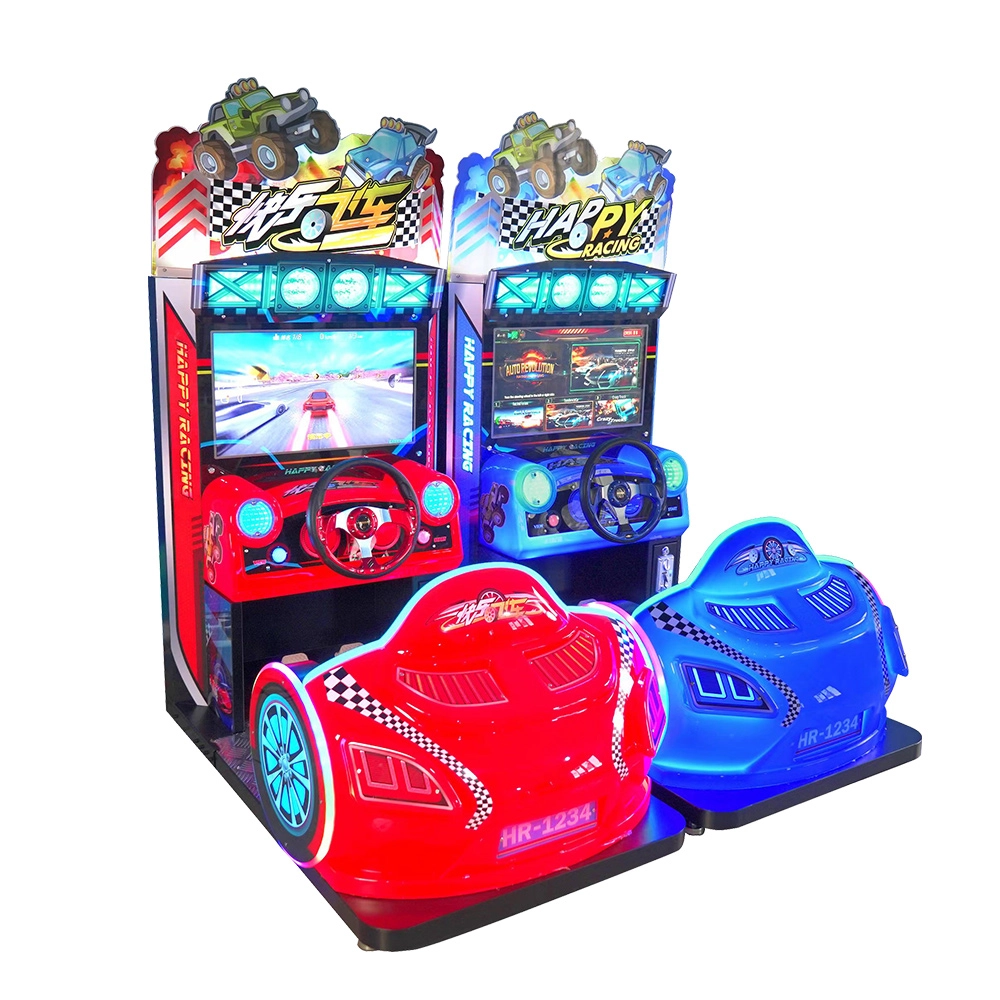
Happy Racing
Is Happy Racing suitable for all ages?
Yes, Happy Racing is designed to be family-friendly and is suitable for players aged 5 and above.
Star Hero
How big is the machine?
The cabinet is compact, making it suitable for various venue sizes.
Hit The Clown
Is Hit The Clown suitable for young children?
Yes, it uses soft balls and is completely safe for kids under supervision.

Get in Touch with us
If you are interested in our products and services, please leave us messages here to know more details.
We will reply as soon as possible.

 Scan QR Code
Youtube
Guangzhou DiniBao Animation Technology Co., Ltd
Guangzhou Dinibao Animation Technology Company Co., Ltd