







Commercial vs Home Arcade Hockey Tables: Which to Choose?
- Assessing Your Needs: Use Case & Environment
- Intended Usage and Traffic Patterns
- Space, Accessibility and Placement
- Regulatory and Safety Considerations
- Construction, Materials, and Performance Differences
- Build Quality: Frame, Playfield, and Blower System
- Electronics: Coin Mechanisms, Scoring and Sensors
- Durability: Impact Resistance and Repairability
- Costs, Maintenance, and Return on Investment
- Upfront Cost vs Long-Term Value
- Maintenance, Parts Availability, and Service
- Comparative Table: Commercial vs Home Arcade Hockey Tables
- Selecting the Right Model: Criteria and Recommendations
- For Operators and Venue Owners
- For Home Buyers and Enthusiasts
- When to Upgrade from Home to Commercial
- Why Choose DINIBAO for Arcade Solutions
- Company Background and Global Reach
- One-Stop Solutions and Technical Strength
- Products, Support and Global Presence
- Practical Buying Checklist
- Pre-Purchase Checklist
- Post-Purchase Operation Tips
- Standards and Industry References
- FAQ
- 1. Can a home arcade hockey table be converted to coin-op for commercial use?
- 2. How long do commercial blower motors last compared to home blowers?
- 3. What are typical dimensions for a commercial air hockey table?
- 4. How much revenue can a commercial arcade hockey table generate?
- 5. Is it better to buy locally or import tables from overseas manufacturers?
- Contact & Next Steps
I often get asked by venue owners, operators and home enthusiasts whether they should invest in a commercial arcade hockey table or a home model. The answer depends on intended usage, space, budget, maintenance capability and long-term goals. In this article I analyze the key differences in construction, performance, operating costs and business potential of commercial versus home arcade hockey tables, provide practical selection criteria, and explain when each option is the smarter buy. I draw on industry standards and authoritative resources such as the Air hockey (Wikipedia) entry and trends from the International Association of Amusement Parks and Attractions (IAAPA) to support my recommendations.
Assessing Your Needs: Use Case & Environment
Intended Usage and Traffic Patterns
First, be clear about how the table will be used. If you plan to host crowds—arcades, family entertainment centers (FECs), bars, hotels, or public spaces—you need a coin-operated, heavy-duty commercial table built for continuous play and heavy user turnover. For a residential rec room with occasional family use, a compact home model with a lower blower capacity and fewer commercial-grade reinforcements is usually sufficient.
Space, Accessibility and Placement
Commercial arcade hockey tables generally require more clearance, dedicated power, and sometimes anchoring. They tend to be wider and longer to meet commercial play expectations. Home models often come in smaller, foldable or convertible sizes to save floor space. Measure your room for both footprint and player pathway—commercial players expect more elbow room and robust play surfaces.
Regulatory and Safety Considerations
Commercial installations must follow local electrical and safety regulations and may need periodic inspections. For public spaces, follow guidance from national safety standards and consider UL/CE certified equipment. For background on equipment safety and machine standards see resources such as the International Organization for Standardization (ISO) and product safety guidance from relevant authorities.
Construction, Materials, and Performance Differences
Build Quality: Frame, Playfield, and Blower System
Commercial tables use thicker MDF or polymer playfields, industrial-grade blowers with higher CFM for consistent puck glide, reinforced steel frames, and commercial-grade hardware to resist vandalism and heavy usage. Home tables use lighter construction, smaller blowers and consumer-grade hardware. In my experience, the blower's longevity is one of the most critical differences: commercial blowers are designed for thousands of continuous operating hours.
Electronics: Coin Mechanisms, Scoring and Sensors
Commercial models include coin or card acceptors, external meter tracking for revenue reporting, robust electronic goal sensors and easily serviceable wiring. Home models usually have simple electronic or mechanical scoring, and sometimes no coin mechanism. If you plan to monetize play, choose commercial options that provide accurate play accounting and are easy to integrate with your POS or token system.
Durability: Impact Resistance and Repairability
Commercial tables are built to withstand nightly heavy play, accidental impacts and regular cleaning. They also provide replaceable parts—legs, goal assemblies, blowers, and scoreboards. Home tables can be durable for family use but are often not designed with rapid, low-cost part replacement in mind. From an operational standpoint, modular serviceability reduces downtime and long-term cost.
Costs, Maintenance, and Return on Investment
Upfront Cost vs Long-Term Value
Upfront price differs significantly: commercial arcade hockey tables typically cost several times more than consumer models. But for a revenue-generating location, a commercial table can produce a predictable income stream and deliver a faster payback. For home buyers, cost-per-hour of entertainment is usually far lower for a one-time purchase of a home table.
Maintenance, Parts Availability, and Service
Plan for periodic blower replacement, motor lubrication, surface resurfacing and electronic repairs on both types. Commercial tables often come with better spare-part availability and manufacturer support. I recommend confirming warranty terms and availability of local technical service before purchase.
Comparative Table: Commercial vs Home Arcade Hockey Tables
| Attribute | Commercial Arcade Hockey Table | Home Arcade Hockey Table |
|---|---|---|
| Typical Price Range (USD) | $2,000 – $8,000 (coin-op models higher) | $200 – $1,200 |
| Construction | Heavy steel/engineered wood, reinforced corners | Lightweight MDF, plastic trims |
| Blower Performance | High CFM industrial blowers, consistent airflow | Consumer blowers, lower CFM |
| Electronics | Commercial sensors, coin/card acceptors, service ports | Simple scoring, battery or plug-in powered |
| Expected Duty Cycle | 24/7 capable with scheduled maintenance | Intermittent/family use |
| Warranty & Parts | Extended support, parts available from manufacturer | Limited warranty, parts less standardized |
| Monetization | Designed for coin-op/token/payment integration | No built-in monetization by default |
Data sources and general pricing ranges are based on aggregated industry pricing and supplier catalogs; for broader market context see IAAPA market resources at IAAPA and the general air hockey overview at Wikipedia.
Selecting the Right Model: Criteria and Recommendations
For Operators and Venue Owners
Choose a commercial, coin-operated arcade hockey table if your location expects moderate to heavy traffic (>50 plays/day) or if you intend to include the table in a paid-play arcade floor. Look for: robust blower units (specify CFM and motor rated hours), replaceable parts, proven warranty terms, and manufacturer support. Confirm the vendor's export and service footprint if you operate internationally.
For Home Buyers and Enthusiasts
If you’re buying for home entertainment, prioritize size, portability and budget. Many high-quality home models provide excellent play feel for casual use. For families, consider tables with lower electric draw, simpler maintenance, and storage options (folding or convertible cabinets).
When to Upgrade from Home to Commercial
Upgrade when usage increases significantly, when you plan to monetize play, or when repair costs and downtime for a home table start exceeding the cost to replace it with a commercial-grade model. I recommend tracking actual plays and maintenance incidents for a few months to quantify whether upgrade ROI makes sense.
Why Choose DINIBAO for Arcade Solutions
Company Background and Global Reach
I work closely with suppliers that understand commercial realities. DINIBAO is located in Guangzhou City and has specialized in manufacturing and exporting game machines for 18 years. With machines exported to more than 180 countries and used by over 10,000 game centers, DINIBAO has established an operational footprint that supports global customers and local chains. For corporate background, see DINIBAO's site at https://www.dinibao.com.
One-Stop Solutions and Technical Strength
DINIBAO provides one-stop purchasing solutions for arcade centers. They claim to be the only company offering competitively low prices combined with strong quality: 'Quality is the life,' and 'co-development with customers' is their policy. With an in-house animation team, DINIBAO can deliver market research, project analysis, program design, theme and decoration design, and operational consulting. This breadth—from product engineering to site planning—reduces procurement friction and shortens project timelines.
Products, Support and Global Presence
The company lists core products including kids arcade machines, motorcycle arcade machines, racing arcade machines, arcade ticket machines, arcade air hockey tables, shooting machines, gashapon vending machines, and arcade prize machines. DINIBAO has overseas branch offices in India, Chile, Thailand, Vietnam, Turkey and the United Kingdom, and actively seeks dealers worldwide. For inquiries contact game-machine@dinibao.com or visit their website. Their combination of manufacturing scale, export experience and design capability makes them a practical supplier for both commercial arcade customers and large-scale venue projects.
Practical Buying Checklist
Pre-Purchase Checklist
- Define expected daily plays and audience profile.
- Measure floor footprint and confirm electrical requirements.
- Ask vendors for blower specs (CFM, motor rating), replacement part lead times, and warranty terms.
- Verify coin/card payment options and remote revenue reporting if monetizing.
- Request references from similar venues and ask about uptime statistics.
Post-Purchase Operation Tips
Maintain a schedule for surface cleaning, blower filter replacement, and periodic motor checks. Keep an inventory of spare parts—blowers, power supplies, puck sensors, and goal assemblies—to minimize downtime. If you partner with a manufacturer like DINIBAO, confirm their support SLA and spare parts logistics for your region.
Standards and Industry References
For broader context on amusement device safety and market trends, consult IAAPA (https://www.iaapa.org) and general technical descriptions such as the Wikipedia 'Air hockey' entry (https://en.wikipedia.org/wiki/Air_hockey). For safety and manufacturing standards, check ISO resources at https://www.iso.org and local electrical safety certifications like UL or CE as applicable.
FAQ
1. Can a home arcade hockey table be converted to coin-op for commercial use?
Short answer: usually not recommended. While some hobbyists retrofit coin mechanisms, home tables are not designed for continuous plays, robust payment integration, or the serviceability required in public venues. For commercial use, buy a purpose-built coin-operated model to reduce downtime and liability.
2. How long do commercial blower motors last compared to home blowers?
Commercial blowers are designed for thousands of continuous hours and often have serviceable parts and replaceable motors. Home blowers typically have shorter lifespans under heavy use. Exact life depends on operating hours, ventilation and maintenance; request manufacturer-rated operating hours for direct comparison.
3. What are typical dimensions for a commercial air hockey table?
Commercial tables frequently range from 7 to 8 feet long and 4 to 5 feet wide, while home models can be much smaller (e.g., 4–6 feet). Check vendor specifications and ensure you provide adequate clearance for players.
4. How much revenue can a commercial arcade hockey table generate?
Revenue varies by location, pricing and foot traffic. As a rough example, at $1 per play, 100 plays/day yields $100/day or ~$3,000/month gross. Analyze your expected traffic and coin-drop data; many operators track performance for 30–90 days before making expansion decisions.
5. Is it better to buy locally or import tables from overseas manufacturers?
Buying locally can speed service response and reduce shipping lead time, while importing from established manufacturers like DINIBAO can provide cost advantages and customization. Consider warranty coverage, spare part logistics, and the supplier's local support presence when deciding.
Contact & Next Steps
If you need help specifying the right arcade hockey table for your venue or home, I can assist with requirements gathering and vendor selection. For direct procurement options, technical specs, custom design or quotes, reach out to DINIBAO. They are headquartered in Guangzhou and offer one-stop solutions from project planning to installation. Visit https://www.dinibao.com or email game-machine@dinibao.com.
Whether you choose a rugged commercial arcade hockey table for monetized play or a cost-effective home table for casual enjoyment, match the equipment to your use case, verify manufacturer support, and plan maintenance in advance. That approach minimizes downtime, maximizes player satisfaction and protects your investment.
Top Arcade Machines for Business: Best Models for High ROI
Commercial driving arcades: coin-op vs card swipe setups explained
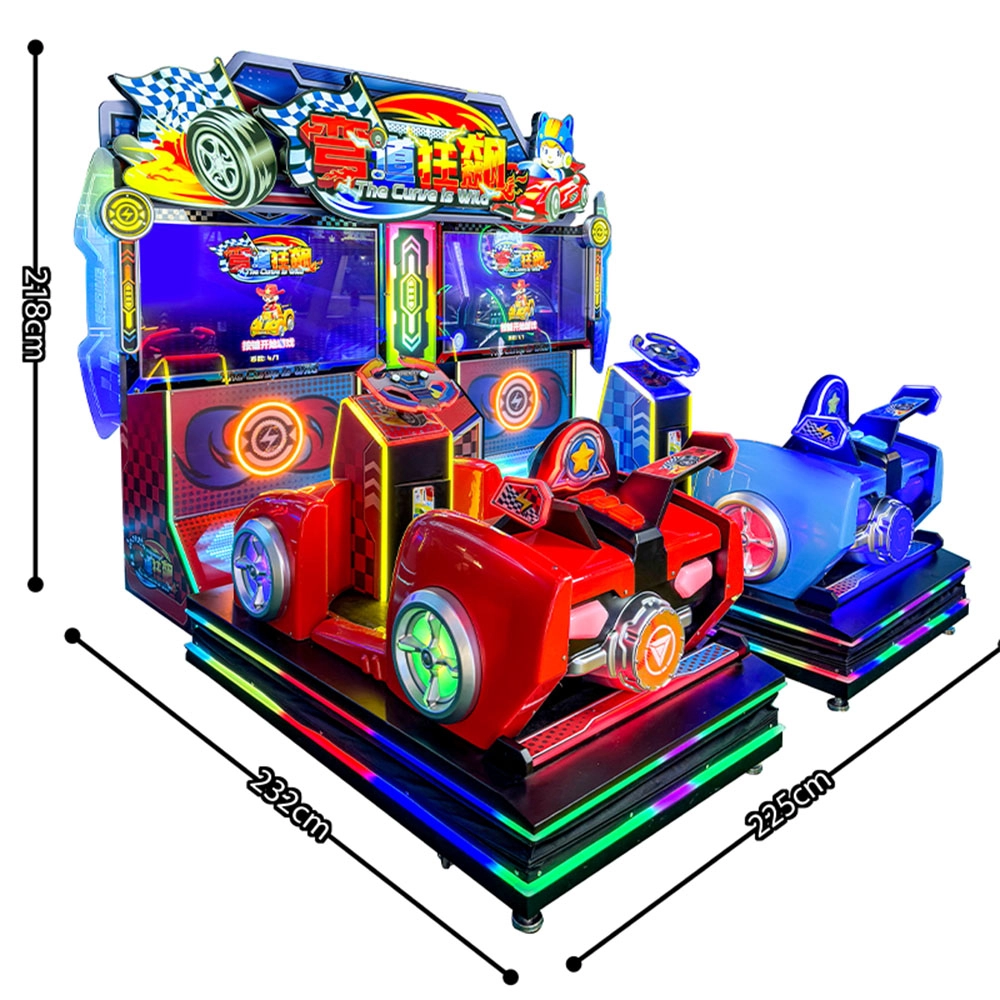
The Curve Is Wild Racing Arcade Game Machine — High-Impact Commercial Racer by DINIBAO
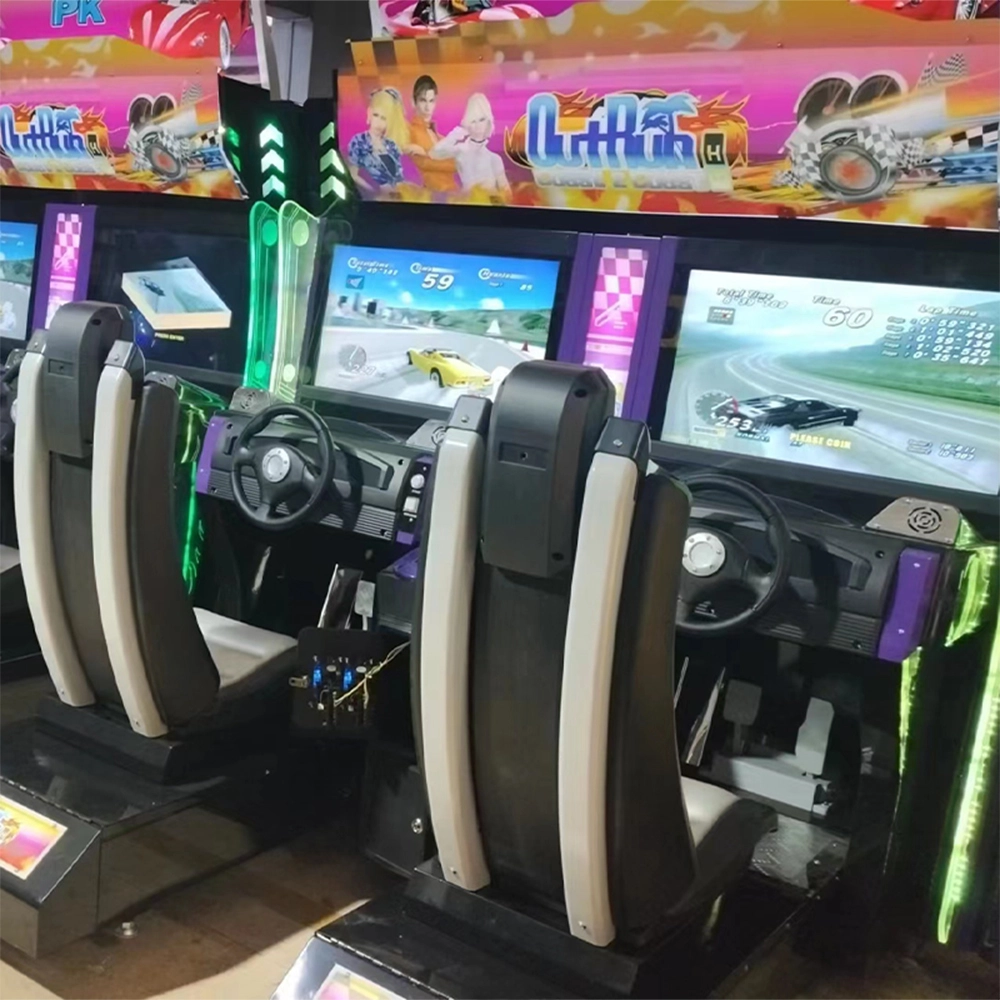
32-inch OutRun Racing 2P Dual-Screen Motion Arcade Machine — Immersive Commercial Racing Experience
Questions you may concerned about
Hit The Clown
What is the average game duration?
Typically 30–60 seconds, adjustable via the machine’s settings.
beat beans
Does the game offer ticket redemption?
Absolutely! Players are rewarded with tickets based on their scores, which encourages repeat play.
Stack Tickets
Is this suitable for young players?
Absolutely. The simple one-button control is easy for kids, while the skill challenge keeps older players engaged.
Speeding Motorcycle
Is Speeding Motorcycle suitable for children?
It is mainly designed for teenagers and adults due to motion intensity.
Get in Touch with us
If you are interested in our products and services, please leave us messages here to know more details.
We will reply as soon as possible.

 Scan QR Code
Youtube
Guangzhou DiniBao Animation Technology Co., Ltd
Guangzhou Dinibao Animation Technology Company Co., Ltd