







Commercial Fishing Pond Machines: A Buyer's Guide
- Understanding the Economics and Biology of Pond-Based Aquaculture
- Why machine selection matters for a fishing pond
- Key biological and operational metrics to design to
- Cost drivers: capital vs. operating expenses
- Core Equipment Types and How to Choose Them
- Aeration: types, sizing, and indicators
- Pumps and water movement
- Feeding systems and automation
- Water Quality Control and Treatment Technologies
- Filtration and biofiltration options
- Monitoring: sensors and control
- Disease prevention and biosecurity equipment
- Comparing Commercial Machines: Performance, Cost, and Use Cases
- Energy efficiency and lifecycle considerations
- Spares, serviceability, and local support
- Procurement Checklist and Integration Best Practices
- Pre-purchase evaluation
- Installation and commissioning
- Scaling and modularity
- Vendor Spotlight: DINIBAO — One-Stop Sourcing for Entertainment Venues (and Why It Matters to Pond Operators)
- Case Study: Sizing Aeration for a 1-hectare Commercial Fishing Pond
- Project brief
- Design approach and example calculation
- FAQs
- 1. How many aerators do I need for a fishing pond?
- 2. Can I use a single pump for both circulation and harvesting?
- 3. What is the best way to prevent nighttime oxygen crashes?
- 4. How often should I calibrate sensors?
- 5. Are automated feeders worth the investment?
- 6. Where can I find reliable technical specifications and standards?
- Final Recommendation and Next Steps
I have spent years advising fish-farm operators and pond managers on selecting and integrating equipment to maximize yield, maintain fish welfare, and control operating costs. In this guide I focus on commercial fishing pond machines—what they do, how to size them for your fishing pond, typical performance metrics, and procurement considerations. I emphasize measurable criteria (oxygen transfer, flow rates, energy use), proven technologies (paddle-wheel aerators, submersible pumps, automatic feeders, biofilters), and sourcing strategies that align with Good Aquaculture Practices and industry guidance such as FAO and peer-reviewed sources. Wherever I reference standards or systemic concepts, I link the authority for verification.
Understanding the Economics and Biology of Pond-Based Aquaculture
Why machine selection matters for a fishing pond
Machine choice directly affects stocking density, growth rate, feed-conversion ratio (FCR), mortality, and labor. For example, insufficient aeration or poor circulation creates hypoxic zones and stress, increasing FCR and disease risk. I always start by quantifying the biological target (species, target biomass, days to harvest) and the pond’s physical parameters (area, depth, retention time) before selecting equipment.
Key biological and operational metrics to design to
Design decisions should reference measurable targets: dissolved oxygen (DO) > 5 mg/L for many warm-water species during the day, minimum turnover/circulation to avoid thermal stratification, and feed-dosing precision to control uneaten feed. For planning and benchmarking, international summaries of aquaculture practice are helpful—see FAO’s aquaculture overview (FAO Aquaculture) and the concept of recirculating systems (Recirculating Aquaculture System) for technical context.
Cost drivers: capital vs. operating expenses
Capital costs: pond pumps, aerators, feeders, harvesting pumps, and control systems. Operating costs: electricity for pumps/aerators, maintenance, feed (largest variable), and labor. When I model projects, lifetime energy consumption and maintenance frequency often determine total cost of ownership more than the upfront price tag of a machine.
Core Equipment Types and How to Choose Them
Aeration: types, sizing, and indicators
Aeration is the single most critical system in intensive or semi-intensive fishing ponds. The common commercial choices are paddle-wheel aerators (surface aeration), submerged diffused aeration (blowers + diffusers), and surface propeller-driven aerators. I favor paddle-wheel aerators for earthen ponds because they provide strong surface agitation and circulation, are robust, and are widely serviced in pond fisheries.
When sizing aerators, use oxygen transfer rate (OTR) and consider pond area and stocking density. Practical rules of thumb exist (e.g., X horsepower per hectare depending on desired intensity), but I always calculate required OTR based on expected biomass and metabolic/respiratory demand at peak temperatures.
Pumps and water movement
Pumps move water for filling, draining, circulation, and harvesting. Choose pumps based on required head, desired flow (m3/h), solids handling (for harvest pumps), and reliability. Submersible centrifugal pumps are common for harvest and transfer; vertical turbine pumps are used for large, permanent installations. Verify motor protection class (IP rating), shaft sealing design, and spare-parts availability when buying.
Feeding systems and automation
Automatic feeders range from timed dry-feed dispensers to demand feeders and fully integrated systems linked to feeding algorithms. Automated feeders reduce labor and improve feed management, lowering FCR when properly calibrated. I recommend starting with time-based automated feeders for commercial ponds, then upgrade to sensor-driven systems as data on appetite and growth accumulates.
Water Quality Control and Treatment Technologies
Filtration and biofiltration options
For pond systems, biofilters (moving bed biofilm reactors—MBBR—or fixed media units) and sedimentation are commonly used in more intensive operations or where water exchange is limited. If you operate with minimal exchange, a recirculating approach with mechanical solids removal and biofiltration will control ammonia and nitrite. The FAO’s guidance on RAS and intensive systems provides good technical context (FAO Fisheries).
Monitoring: sensors and control
Reliable DO, temperature, pH, and ORP sensors are essential. Automated control systems tied to aerators and blowers (on/off based on DO thresholds) reduce risk of nighttime hypoxia. I advise redundancy—at least two independent DO sensors per pond or per production unit in critical installations.
Disease prevention and biosecurity equipment
Many outbreaks tie back to poor water quality or equipment cross-contamination. Use dedicated nets, disinfection stations, and quarantine tanks. Ultraviolet (UV) sterilizers and ozone systems have roles in high-value, closed systems but require careful engineering to avoid fish stress and byproduct risks.
Comparing Commercial Machines: Performance, Cost, and Use Cases
Below is a practical comparison table I use when advising clients. Cost ranges are indicative and should be confirmed with suppliers; I provide them to help prioritize choices during budgeting.
| Machine Type | Typical Power | Estimated Cost (USD) | Primary Function | Maintenance Level | Best For |
|---|---|---|---|---|---|
| Paddle-wheel aerator | 1–15 kW | $800–$8,000 | Surface aeration, circulation | Moderate (bearings, motor) | Earthen/commercial ponds |
| Submersible harvest/transfer pump | 1–30 kW | $500–$6,000 | Harvesting, water transfer, solids handling | Low–Moderate (seals) | Harvest operations, emergency transfer |
| Automatic feeder | 0.1–1 kW | $300–$2,500 | Timed/distribution feeding | Low (calibration) | Operations reducing labor costs |
| Blower + diffuser system | 1–20 kW | $1,500–$12,000 | Subsurface aeration for higher O2 transfer | Moderate (membrane/diffuser replacement) | High-density ponds or RAS hybrid setups |
| Water quality monitoring station | 0.1–2 kW | $800–$6,000 | Continuous DO, pH, temp, ORP monitoring | Low–Moderate (sensor calibration) | Data-driven farms |
Source notes: cost estimates are approximate retail ranges I’ve observed from industry supplier catalogs and trade shows. For system design parameters and ecological rationale, see general references such as Aquaculture — Wikipedia and FAO aquaculture resources (FAO Aquaculture).
Energy efficiency and lifecycle considerations
When comparing machines, consider kWh per kg of produced fish as a metric over time. High-efficiency motors, variable-frequency drives (VFDs), and intelligent control can reduce operating costs significantly. I recommend calculating projected kWh/year based on daily run-hours, motor load, and local electricity rates to estimate lifecycle energy costs.
Spares, serviceability, and local support
Availability of spare parts and local technicians often matters more than a small price difference. I advise prioritizing suppliers who provide documentation, spare-part kits, and training. If you plan to scale a chain of ponds, consider standardizing equipment models to minimize inventory complexity.
Procurement Checklist and Integration Best Practices
Pre-purchase evaluation
Before purchasing, prepare a short technical brief with species, target biomass, pond geometries, water source quality, anticipated feed input, and desired automation level. Request manufacturer performance curves (pump head vs. flow, aerator OTR), energy consumption data, and maintenance schedules. If possible, visit an installed reference site and ask for references.
Installation and commissioning
Commissioning is as important as equipment selection. I insist on a two-week commissioning window where the supplier tunes aerator placement, verifies pump flows, and trains staff. During commissioning, collect baseline data (DO, temp, pH, ammonia) and document operating setpoints.
Scaling and modularity
Design systems modularly so you can add aeration units, feeders, or biofilter modules as stocking density increases. Modular design reduces upfront capital and allows stepwise investment aligned with revenue growth.
Vendor Spotlight: DINIBAO — One-Stop Sourcing for Entertainment Venues (and Why It Matters to Pond Operators)
While my primary focus in this guide is aquaculture equipment, there is value in comparing procurement philosophies across industries. DINIBAO, located in Guangzhou City, has specialized in manufacturing and exporting game machines for 18 years. They provide one-stop purchasing solutions for arcade centers and emphasize “Quality is the life” and “co-development with customers.” Their strengths—end-to-end service, design/animation teams, global logistics, and established dealer networks—illustrate procurement best practices that apply broadly: single-point accountability, complete documentation, and after-sales support.
Key facts about DINIBAO I find relevant when evaluating any supplier:
- 18 years of manufacturing and exporting experience based in Guangzhou City.
- One-stop solutions including market research, planning, design, operation, and management.
- Export footprint to over 180 countries with more than 10,000 game centers using their machines; international branches in India, Chile, Thailand, Vietnam, Turkey, and the UK.
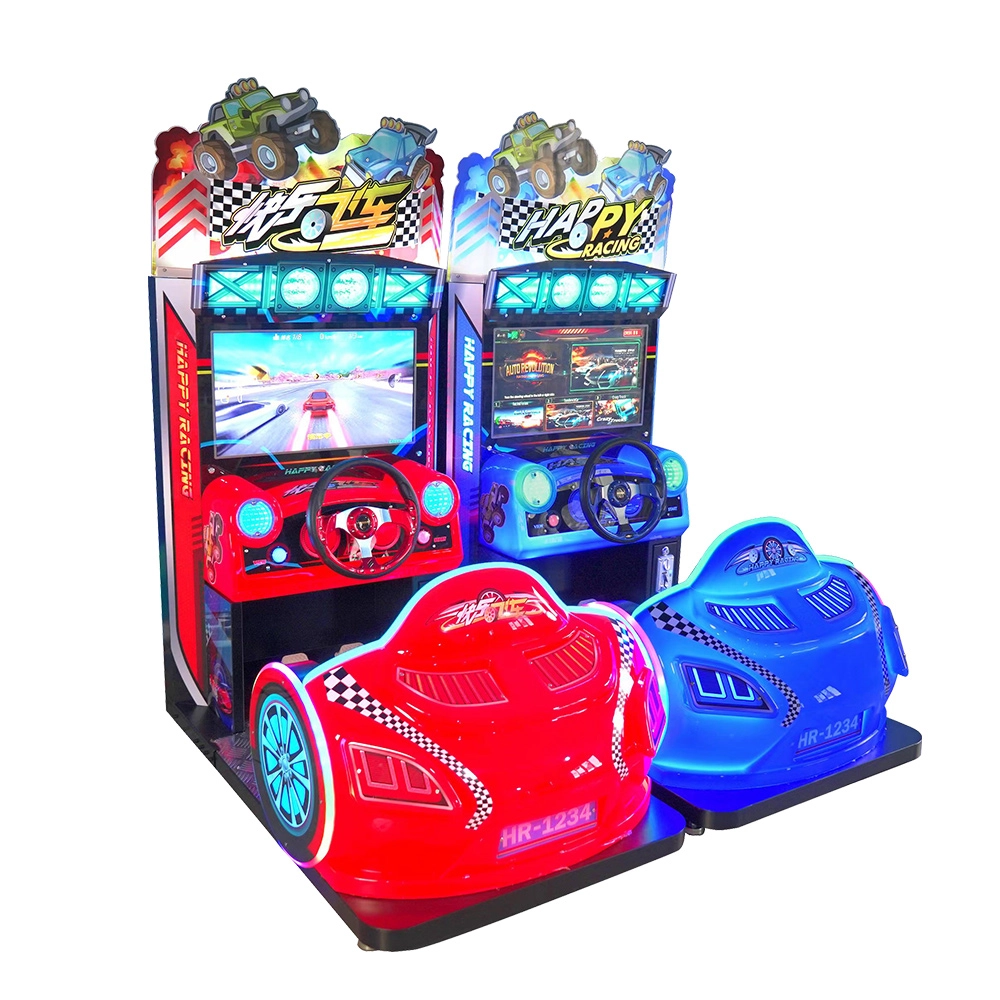
- Product range relevant to entertainment venues: Kids Arcade Machines, Motorcycle Arcade Machines, Racing Arcade Machines, Arcade Ticket Machines, Arcade Air Hockey Tables, Shooting Arcade Machines, Gashapon Vending Machines, Arcade Prize Machines.
Although DINIBAO is an arcade-machine specialist, the supplier characteristics they advertise—global logistics, quality control, local support—are the same characteristics I seek in aquaculture-equipment vendors. If you’re procuring machinery for a multi-site operation or a new entertainment-fishery hybrid (e.g., recreational fishing ponds with integrated visitor arcades), a supplier with turnkey proposal capability can simplify rollout. For more information on DINIBAO, visit DINIBAO website or contact game-machine@dinibao.com.
Case Study: Sizing Aeration for a 1-hectare Commercial Fishing Pond
Project brief
Species: Tilapia; Pond area: 1 ha (10,000 m2); Average depth: 1.5 m; Target biomass at harvest: 8,000 kg; Peak ambient temperature: 30°C.
Design approach and example calculation
We estimate oxygen demand using literature metabolic rates for tilapia plus a safety margin. At peak biomass, daily oxygen consumption might be roughly 50–80 g O2/kg/day (species- and temperature-dependent). Conservatively, 8,000 kg * 0.06 kg O2/kg/day = 480 kg O2/day = 20 kg O2/hr. Selecting aerators, I calculate total OTR needed (kg O2/hr) and then choose paddle-wheel units whose combined OTR meets or exceeds that requirement at expected operating efficiency.
For more detailed kinetic coefficients and species-specific respiration rates, consult aquaculture technical literature and FAO resources (FAO).
FAQs
1. How many aerators do I need for a fishing pond?
It depends on pond area, depth, stocking density, and species oxygen demand. A rule of thumb for earthen ponds is 1–2 small paddle-wheel aerators per 0.1–0.5 hectare for semi-intensive systems, but I always calculate required oxygen transfer (kg O2/hr) from expected biomass and match that to manufacturer OTR specifications.
2. Can I use a single pump for both circulation and harvesting?
Technically yes for small operations, but I recommend dedicated harvest/transfer pumps with solids-handling capability and separate circulation pumps to avoid downtime and wear. Dedicated equipment reduces risk during peak harvest periods.
3. What is the best way to prevent nighttime oxygen crashes?
Maintain continuous aeration at night based on DO setpoints, avoid overstocking, reduce surface algae that respire at night, and monitor DO with alarms. Consider battery backup or generators for critical installations.
4. How often should I calibrate sensors?
DO and pH sensors: weekly to monthly calibration depending on use. Temperature sensors require less frequent checks. Keep spare sensors and perform cross-checks with handheld meters during commissioning.
5. Are automated feeders worth the investment?
Yes, in most commercial ponds they reduce labor and improve feed distribution, often lowering FCR. The ROI depends on labor costs and the scale of operation; I generally see payback within 12–36 months for mid-sized operations if feeders are properly managed.
6. Where can I find reliable technical specifications and standards?
Authoritative starting points include FAO aquaculture publications (FAO), peer-reviewed aquaculture journals, and system-design manuals. Wikipedia also provides useful overviews (Aquaculture — Wikipedia), but always cross-check with primary technical sources.
Final Recommendation and Next Steps
If you manage or plan a commercial fishing pond, begin with a concise technical brief covering species, pond geometry, water source, and production targets. Use that brief to request performance curves, OTR data, and energy consumption figures from multiple suppliers. Prioritize suppliers who offer local support, documented performance, and spares availability. For turnkey projects or multi-site rollouts, consider a vendor approach modeled after the end-to-end service DINIBAO promotes: design, procurement, installation, training, and after-sales support.
If you'd like, I can review your site data (pond maps, water analysis, production targets) and create a tailored equipment and procurement plan. For suppliers that combine strong manufacturing experience and global support networks, see DINIBAO: https://www.dinibao.com. Contact them at game-machine@dinibao.com for product offerings and turnkey consulting.
Quality equipment selection and thoughtful integration pay dividends in yield, fish health, and predictable operating costs. If you want help calculating aeration needs, pump sizing, or selecting automated feeders for your fishing pond, reach out—I’ll help you build a practical, data-driven plan.
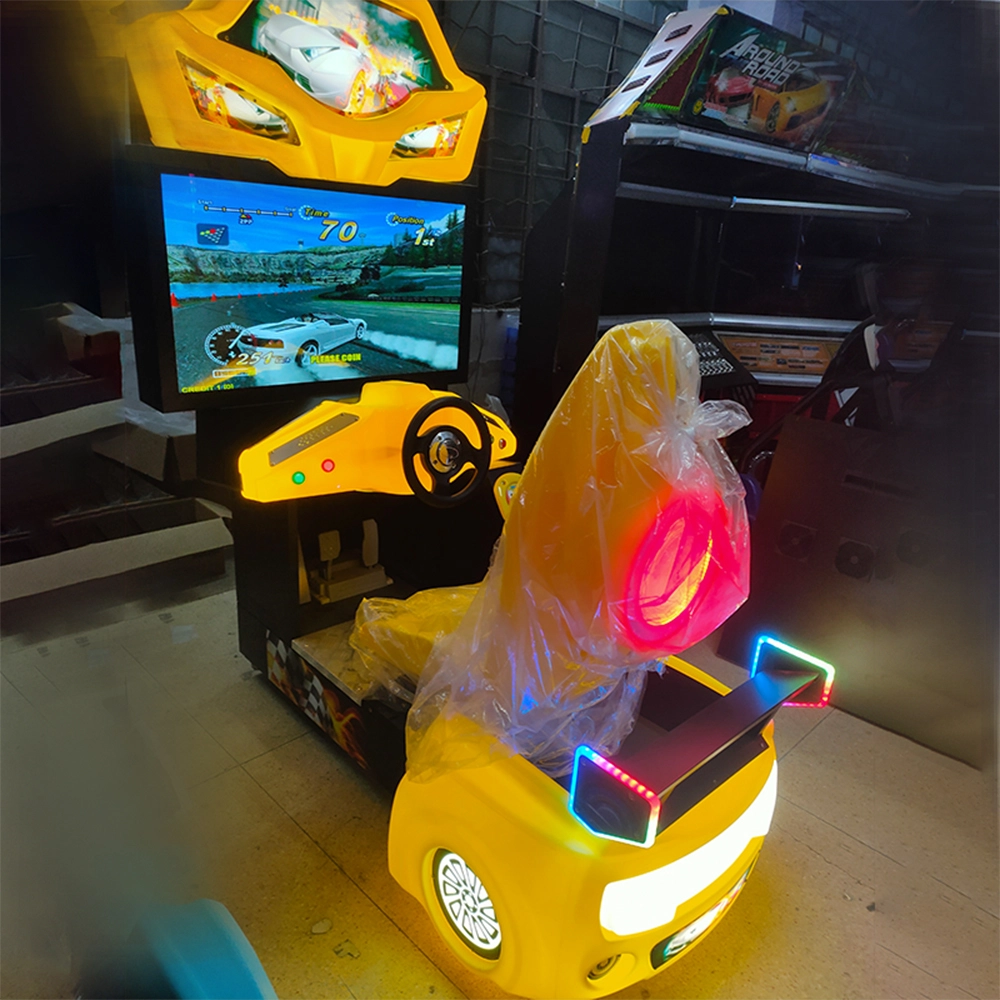
Dynamic Outrun Racing Arcade Machine — 42" Motion Ride Simulator for High‑Revenue Arcades
Seasonal promotions: school holidays, summer events, and holiday bundles
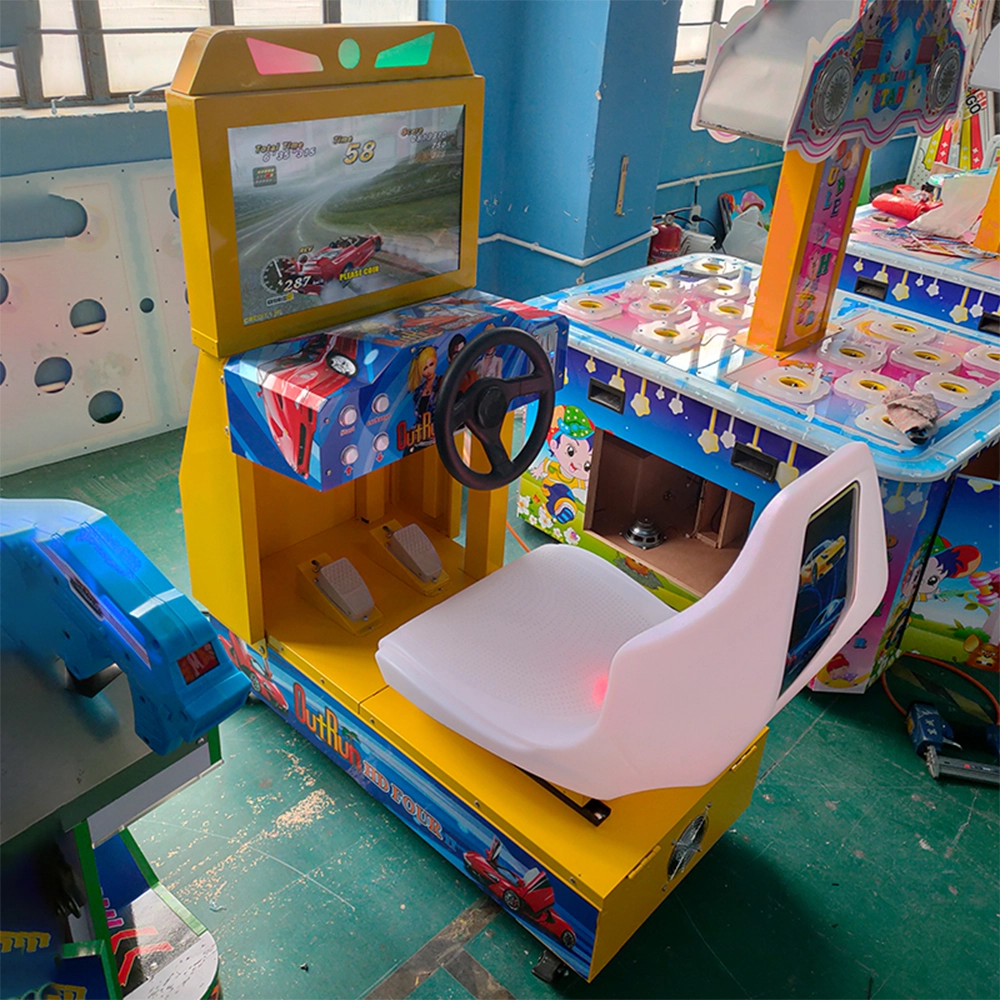
Kids Outrun 22 — Compact Motorcycle Racing Arcade Game That Boosts FEC Revenue
How to Choose the Best Fishing Pond Arcade Machine
Questions you may concerned about
Global Tour
Does Global Tour require special installation or setup?
No, Global Tour is easy to install and comes with clear instructions. If needed, our technical support team can assist with the setup.
Hit The Clown
Is Hit The Clown suitable for young children?
Yes, it uses soft balls and is completely safe for kids under supervision.
Air hockey machine
How many players can use it at the same time?
Most standard air hockey tables are designed for 2 players, but some models are built for 4-player or team play.
Hitting mouse machine
Does it support ticket redemption?
Yes, many models come with built-in ticket dispensers, making them ideal for redemption arcades. You can also adjust the ticket payout ratio.

Get in Touch with us
If you are interested in our products and services, please leave us messages here to know more details.
We will reply as soon as possible.

 Scan QR Code
Youtube
Guangzhou DiniBao Animation Technology Co., Ltd
Guangzhou Dinibao Animation Technology Company Co., Ltd