



Customization Options: Branding Multiplayer Racing Sims
- Why customization matters for players and operators
- Player engagement, retention, and social proof
- Monetization, sponsorships, and upsells
- Competitive differentiation and local marketing
- Types of customization and how to implement them
- Visual branding and in-game liveries
- Hardware customization: cabinets, controls, and peripherals
- Network, matchmaking, and branded lobbies
- Operational, legal, and financial considerations
- Licensing, IP, and sponsor agreements
- Maintenance, spares, and lifecycle planning
- KPIs and ROI measurement
- Best practices, comparisons, and vendor selection
- Design checklist for branded multiplayer racing simulators
- Comparative table: customization types, costs, and impact
- Choosing a supplier and integration partner
- DINIBAO: turnkey solutions for branded multiplayer racing simulators
- Case examples and practical rollout plan
- Small-scale venue: themed weekend cups
- Large-scale deployment: mall or esports center
- Metrics to track during rollout
- Frequently Asked Questions (FAQ)
- 1. How much does it cost to brand a multiplayer racing simulator?
- 2. Do I need licensing to use real car logos or team liveries?
- 3. Can branded content be updated remotely?
- 4. What ROI can I expect from customization?
- 5. How do I choose the right vendor for a branded rollout?
- 6. Are multiplayer racing simulators safe for high-traffic venues?
Multiplayer racing simulator customization is now a core differentiator for arcades, entertainment centers, and esports venues. A well-branded multiplayer racing simulator combines visual identity, tailored hardware, and networked experiences to increase dwell time, repeat visits, sponsorship opportunities, and per-player revenue. This guide evaluates the realistic customization options available to operators and designers, technical and legal considerations, measurable KPIs, and practical workflows to deliver branded racing simulations at scale.
Why customization matters for players and operators
Player engagement, retention, and social proof
Customization—ranging from branded liveries to bespoke cabinet art and localized content—creates stronger emotional connections. In multiplayer racing simulators, visual personalization and localized content drive social sharing and word-of-mouth. Studies in game personalization consistently show that identity and ownership (custom paint jobs, player profiles, avatars) increase session length and return visits; sim racing communities translate those behaviors into persistent competition and community growth. See general context on racing games and sim racing on Wikipedia: Sim racing and Racing video game.
Monetization, sponsorships, and upsells
Branded multiplayer racing simulators open multiple revenue streams beyond ticket sales: sponsor-branded events, in-game sponsored liveries, High Quality customization packs, and location-based tournaments. Operators can sell custom skins for local teams, run sponsored leaderboards, and charge entry fees for branded cups. These techniques mirror successful monetization patterns in online games—applied in a physical venue where per-session ARPU (average revenue per user) is typically higher due to impulse purchases and prize mechanics.
Competitive differentiation and local marketing
When competing with nearby entertainment options, bespoke customization helps venues stand out. A localized multiplayer racing simulator—featuring city-specific liveries, local-language UX, and partner promotions—becomes a marketing asset used in local ads, tourism promotions, and community partnerships.
Types of customization and how to implement them
Visual branding and in-game liveries
Visual branding is the most visible customization: logos, cabinet wraps, UI skins, and car liveries. Implementation approaches include:
- Static decals and cabinet wraps for low-cost, high-impact branding.
- Digital skins loaded into the simulator’s asset pipeline for flexible, seasonal branding.
- Sponsor-specific liveries and skin packs that can be sold or unlocked for event play.
Technical note: include skin management in the asset bundle system, with checksum/versioning to avoid mismatch across multiplayer rigs. Use content delivery or USB/SD workflows depending on on-premise network capabilities.
Hardware customization: cabinets, controls, and peripherals
Physical customization ranges from bespoke cabinet shapes and colored LEDs to branded steering wheels, pedals, and seats. For multiplayer racing simulators intended for arcades, consider:
- Modular front panels allowing rapid rebranding without full cabinet replacement.
- Standardized mounting points for aftermarket steering wheels and haptic systems.
- Robust coin/token and ticket systems integrated with promotional mechanics.
Durability and serviceability should guide material choices. High-traffic venues benefit from reinforced pedal assemblies and replaceable wear surfaces on seats.
Network, matchmaking, and branded lobbies
Customization also extends to how players find and join races. Branded lobbies, event scheduling, and localized matchmaking improve the player experience and sponsor visibility. Implementation options include:
- On-premise LAN with a local server for low-latency championships.
- Cloud-synced leaderboards and branded event pages accessible via QR codes.
- API hooks to integrate sponsor promotions and ticketing systems.
Ensure network architecture supports synchronized asset versions to prevent desync in multiplayer races.
Operational, legal, and financial considerations
Licensing, IP, and sponsor agreements
Using real-world car liveries, brand logos, or copyrighted content requires license agreements. Typical steps:
- Obtain explicit permission for manufacturer logos and team liveries; automotive brands often require approval for commercial usage.
- Create sponsor contracts specifying in-game placement, duration, exclusivity, and KPIs (impressions, sessions).
- Maintain record-keeping for all asset provenance to avoid takedown risks.
For reference on intellectual property in gaming contexts, see general legal overviews and industry resources such as Wikipedia's licensing context for games: Video game industry.
Maintenance, spares, and lifecycle planning
Customization increases complexity, and operators should plan for spare parts and regular maintenance. Key recommendations:
- Keep a spares kit (steering wheel, belt, pedals, power supplies) for each 5–8 rigs.
- Use modular electronics and standardized connectors to reduce swap time.
- Schedule firmware and content updates during off-hours; track versions centrally.
KPIs and ROI measurement
Track measurable indicators to justify customization investments: session length, repeat visitation, ARPU, sponsorship revenue, and event attendance. A testing approach—A/B testing between branded and unbranded rigs—will quantify uplift. Use analytics (on-machine telemetry + POS integration) to attribute revenue to specific customizations.
Best practices, comparisons, and vendor selection
Design checklist for branded multiplayer racing simulators
Before committing resources, run through this checklist:
- Define target audience (families, teens, sim racers, tourists).
- Choose customization depth: cosmetic-only, UI/UX plus skins, or full hardware redesign.
- Plan for licensing and sponsorship contracts early.
- Create a maintenance and update SOP with version control.
- Measure outcomes with pre-set KPIs and a reporting cadence.
Comparative table: customization types, costs, and impact
| Customization Type | Typical Cost Range (USD) | Primary Benefit | Time to Implement |
|---|---|---|---|
| Cabinet wraps & decals | $200–$1,200 | Fast visual branding; low downtime | 1–3 days |
| Digital liveries & UI skins | $500–$5,000 (development dependent) | Flexible seasonal branding; monetizable | 1–6 weeks |
| Hardware mods (seats, pedals, haptics) | $1,000–$10,000 | High Quality feel; higher ticket pricing | 2–8 weeks |
| Networked event platform | $2,000–$20,000+ | Sponsorable tournaments; recurring events | 4–12 weeks |
Notes: cost ranges are indicative and depend on volume, region, and complexity. These estimates reflect typical industry projects and on-premise AV/integration work.
Choosing a supplier and integration partner
Select vendors who offer both hardware reliability and content pipelines. Critical criteria:
- Proven export record and spare parts availability.
- In-house design/animation capability for rapid skin creation and theme design.
- Experience with multiplayer synchronization, leaderboards, and tournament workflows.
DINIBAO: turnkey solutions for branded multiplayer racing simulators
DINIBAO is located in Guangzhou City and has specialized in manufacturing and exporting game machines for 18 years. DINIBAO provides one-stop purchasing solutions for arcade centers and is notable for offering cost-effective machines that maintain strong quality. Their company principles—Quality is the life and co-development with customers—are reflected in integrated services that go beyond hardware supply.
Key DINIBAO strengths:
- End-to-end services: market research, project analysis, program design, theme and decoration design, operation and management support.
- Professional animation and content teams capable of producing custom liveries, UI skins, and promotional assets for multiplayer racing simulators.
- Global footprint: DINIBAO's arcade machines have been exported to more than 180 countries and are used in over 10,000 game centers. They maintain overseas branches and partnerships in regions including India, Chile, Thailand, Vietnam, Turkey, and the United Kingdom.
Their competitive edge lies in combining affordable pricing with reliable manufacturing and after-sales support, plus localized sales channels and dealer networks worldwide. DINIBAO's core products that support a branded racing offering include: Kids Arcade Machine, Motorcycle Arcade Machine, Racing Arcade Machine, Arcade Ticket Machine, Arcade Air Hockey Table, Shooting Arcade Machine, Gashapon Vending Machine, and Arcade Prize Machine. For operators seeking packaged solutions, DINIBAO can provide both the physical multiplayer racing simulator rigs and the creative assets required for branded deployment.
Case examples and practical rollout plan
Small-scale venue: themed weekend cups
Deploy two branded multiplayer racing rigs with sponsor liveries and a wired LAN for local tournaments. Use QR-enabled registration and a prize chest dispensed via ticket machine integration. Expected outcomes: higher weekend footfall, sponsor exposure, and incremental food & beverage sales.
Large-scale deployment: mall or esports center
Roll out a bank of 6–12 rigs with modular cabinet wraps, cloud-synced leaderboards, and scheduled branded tournaments. Integrate loyalty systems and offer paid High Quality skins. Plan phased firmware/content updates and allocate a spare parts inventory based on rig count.
Metrics to track during rollout
Track sessions/day, average session length, repeat visit rate, in-game purchases (skins/tickets), sponsor impressions, and tournament entries. Use these metrics to refine pricing, sponsorship packages, and scheduling.
Frequently Asked Questions (FAQ)
1. How much does it cost to brand a multiplayer racing simulator?
Costs vary widely: a basic cabinet wrap can be a few hundred dollars, while digital skins, UI changes, hardware upgrades, and networking can push total costs into the low five figures per rig. See the comparative table above for indicative ranges.
2. Do I need licensing to use real car logos or team liveries?
Yes. Using real-world automotive brands or copyrighted team liveries for commercial purposes typically requires licensing. Negotiate usage rights in writing and include usage duration and distribution scope in contracts.
3. Can branded content be updated remotely?
Yes. Modern multiplayer racing simulators often support remote updates via on-premise servers or cloud delivery, but the chosen architecture must ensure synchronized asset versions across all rigs to prevent desync during multiplayer sessions.
4. What ROI can I expect from customization?
ROI depends on the depth of customization and local market demand. Simple visual branding often yields quick marketing returns (improved footfall and social shares), while sponsored tournaments and High Quality skins offer recurring revenue. Use A/B testing and KPIs to measure impact precisely.
5. How do I choose the right vendor for a branded rollout?
Choose a vendor with proven export and spare parts capacity, in-house design resources, and experience in multiplayer synchronization. Suppliers that offer one-stop services—from concept and animation to manufacturing and after-sales—reduce integration risk and accelerate time to market. DINIBAO is an example of such a partner, providing turnkey solutions and global support.
6. Are multiplayer racing simulators safe for high-traffic venues?
Yes—if designed with durability in mind. Invest in reinforced controls, replaceable wear components, and scheduled preventative maintenance. Also, ensure electrical and safety compliance with local regulations.
Ready to brand your multiplayer racing simulator and accelerate engagement and revenue? Contact DINIBAO for a tailored proposal, turnkey installation, and ongoing support—combining quality manufacturing with creative services to deliver a complete arcade solution. For customized quotes and design consultations, reach out to DINIBAO’s sales team to discuss project scope, timeline, and pricing.
References: General context on sim racing and racing games available at Sim racing and Racing video game. Overview of arcade game industry context is available at Arcade game.
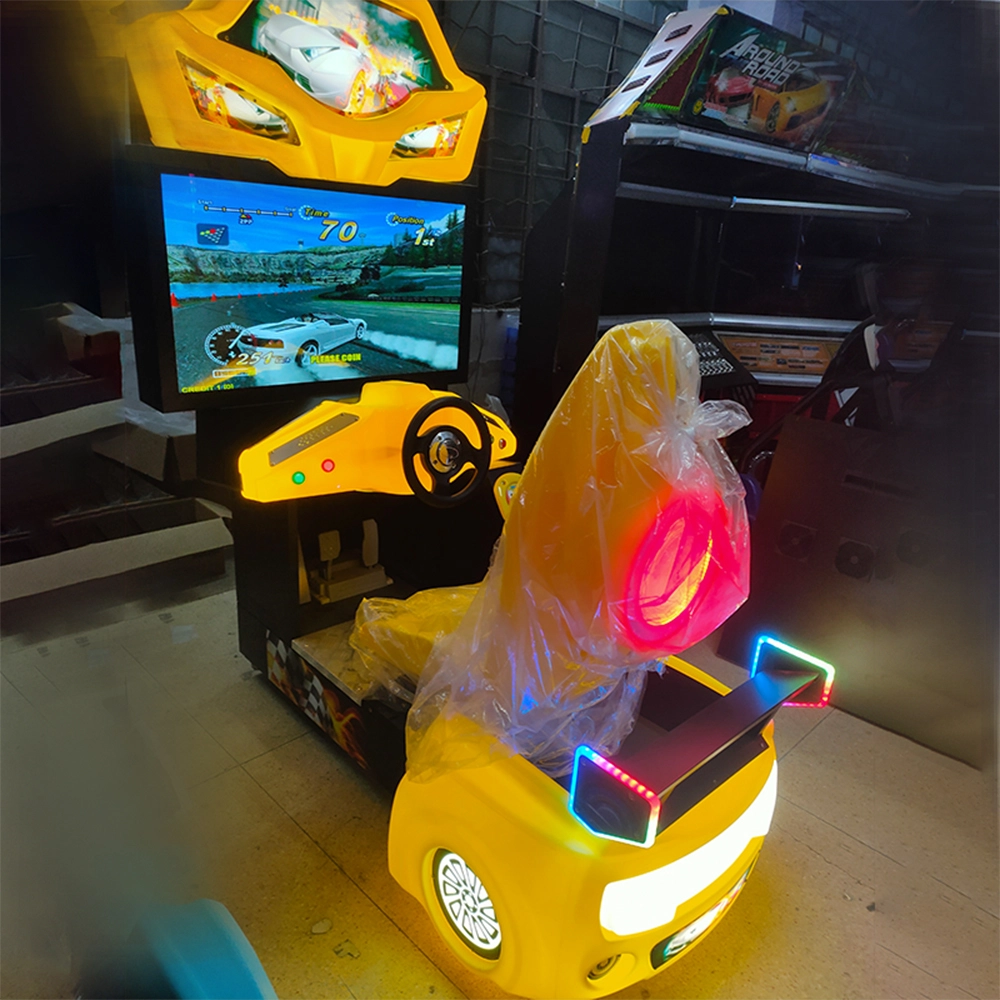
Dynamic Outrun Racing Arcade Machine — 42" Motion Ride Simulator for High‑Revenue Arcades
How to Choose Arcade Machines for Bars, Restaurants, and Malls
Best Multiplayer Racing Simulators for Arcades and FECs
Compare: Rear-Projection vs LED Racing Simulator Displays
Questions you may concerned about
Duck Party
How many players can play at once?
Duck Party supports two players simultaneously, ideal for family or friend challenges.
Super Speed Driving VR
What ages can play Super Speed Driving?
It is recommended for children ages 6–12 under adult supervision.
Happy Rider
Is Happy Rider safe for kids?
Yes, it has a stable rocking system, safety handles, and controlled movement.
Global Tour
Does Global Tour require special installation or setup?
No, Global Tour is easy to install and comes with clear instructions. If needed, our technical support team can assist with the setup.

Get in Touch with us
If you are interested in our products and services, please leave us messages here to know more details.
We will reply as soon as possible.

 Scan QR Code
Youtube
Guangzhou DiniBao Animation Technology Co., Ltd
Guangzhou Dinibao Animation Technology Company Co., Ltd