






Arcade Machines for Business: Leasing vs Buying Cost Comparison
- Understanding revenue models and customer experience
- How arcade machines make money in modern venues
- Customer lifetime value and machine lifecycle
- Key metrics I use when evaluating machines
- Cost comparison: leasing vs buying
- Typical cost components for buying
- Typical cost components for leasing
- Scenario comparison table (sample numbers and assumptions)
- Financial, tax and operational considerations
- Tax depreciation and accounting impacts
- Obsolescence, upgrades and software licensing
- Maintenance, uptime and service level agreements (SLAs)
- Decision framework: when to buy, when to lease
- When buying often makes sense
- When leasing is preferable
- Hybrid approaches and short-term programs
- Practical checklist and negotiation tips
- Checklist before buying or leasing
- Negotiation levers
- Credible sources for financial decisioning
- Why partner with an experienced manufacturer: DINIBAO case study
- Company profile and global footprint
- Services that reduce TCO and ease implementation
- Product range and competitive advantages
- Final recommendation and action plan
- How I would decide for a new arcade operator
- How I would decide for an established operator expanding locations
- Next steps checklist
- FAQ
- 1. Is leasing arcade machines cheaper than buying?
- 2. How long does an arcade machine typically last?
- 3. Should I lease machines for seasonal operations?
- 4. What are typical lease terms for arcade equipment?
- 5. Can I negotiate maintenance and uptime SLAs?
- 6. How do I determine realistic revenue projections?
I help operators, investors and location-based entertainment (LBE) managers evaluate whether to lease or buy arcade machines for business. In this guide I present clear cost-comparison models, break-even calculations, maintenance and obsolescence considerations, and tax/financial implications so you can make a defensible choice for your game floor, family entertainment center or arcade center. I draw on industry norms, US tax guidance on equipment depreciation, and equipment-financing principles to produce verifiable recommendations. For specific sourcing and turnkey solutions, I also outline why working with an experienced manufacturer such as DINIBAO in Guangzhou can simplify procurement and operations.
Understanding revenue models and customer experience
How arcade machines make money in modern venues
Arcade machines generate revenue through pay-per-play (coin-op or card systems), redemption tickets, prize sales, and ancillary spend (food, birthday parties). A single popular redemption cabinet or racing game can produce predictable daily revenue if placed in a high-traffic location. When I model financials, I separate gross revenue per machine from operator net after coin/card fees, prize costs and utilities.
Customer lifetime value and machine lifecycle
Customer engagement is the hidden driver of profitability. New or themed game cabinets drive repeat visits and extended dwell time. Machines have both technical life (years before failure) and commercial life (years before player interest declines). I typically assume a 5–7 year commercial lifecycle for core arcade cabinets and 3–5 years for trend-based novelty units; both assumptions affect whether leasing or buying makes financial sense.
Key metrics I use when evaluating machines
My evaluations focus on: initial capital expenditure (CapEx), monthly operating expense (OpEx), uptime/availability, average daily revenue per machine, maintenance response time, and residual value. These variables let me calculate payback period, internal rate of return (IRR) and total cost of ownership (TCO).
Cost comparison: leasing vs buying
Typical cost components for buying
Buying means paying an upfront purchase price (or financing payments), depreciation, repair & spare parts, shipping/import duties, installation, and occasionally custom cabinet art or software licenses. When you own, you also enjoy residual value if you resell machines later.
Typical cost components for leasing
Leasing usually includes monthly lease payments, possible maintenance bundles, and end-of-lease conditions (return, buyout or upgrade). Leases can be operating leases or capital leases; accounting and tax treatment differ. Leasing conserves cash but may cost more over long terms.
Scenario comparison table (sample numbers and assumptions)
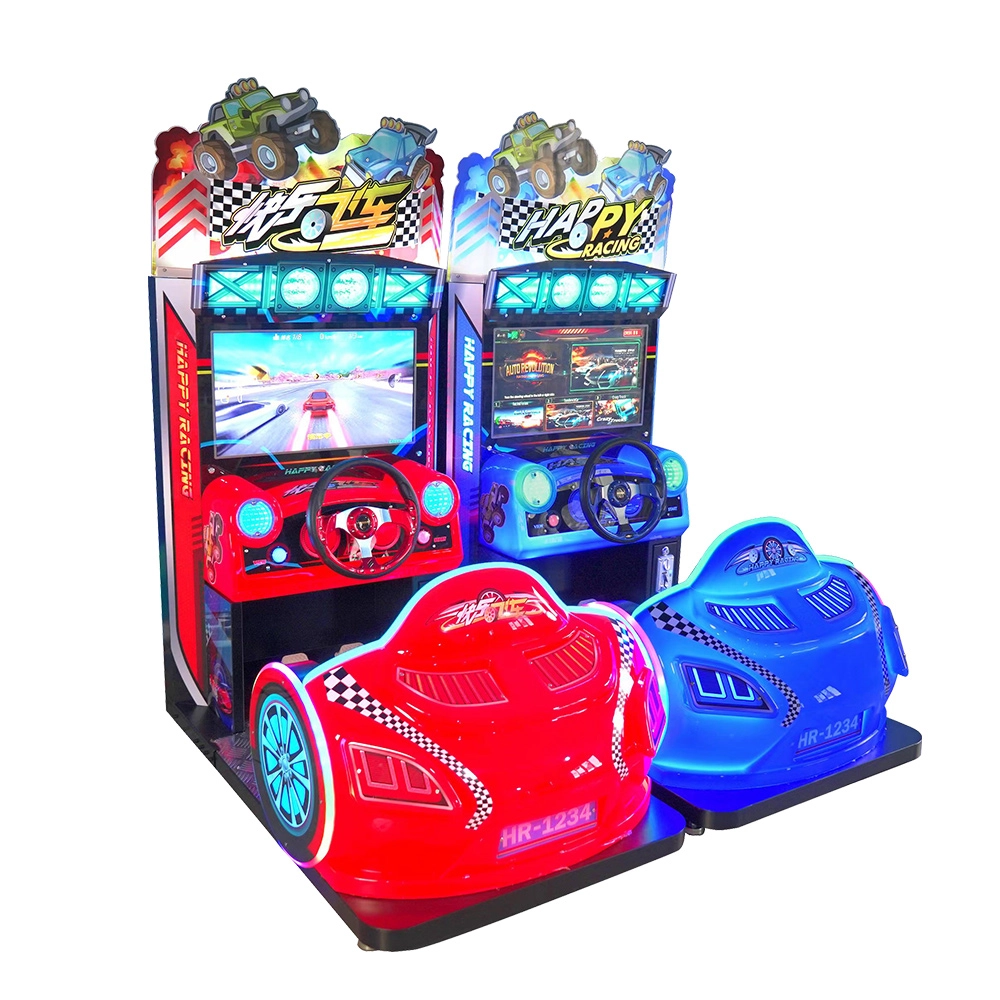
Below is a simplified, verifiable example comparing buying vs leasing a mid-range racing arcade machine. Numbers are illustrative; replace with vendor quotes. Assumptions: purchase price $12,000, expected useful life 6 years, annual maintenance 8% of purchase price, electricity $10/month, average net revenue $40/day. Lease terms: 36-month operating lease, $380/month, maintenance included in lease at a fixed cost equivalent.
| Item | Buy (one-time) | Buy (annualized) | Lease (36 months) |
|---|---|---|---|
| Acquisition cost | $12,000 | $2,000 (over 6 yrs) | $380/mo → $4,560/yr |
| Maintenance & repairs | $960/yr (8%) | $960/yr | Included (or $300/yr equivalent) |
| Electricity & consumables | $120/yr | $120/yr | $120/yr |
| Total annual cost (approx.) | - | $3,080/yr | $4,980/yr |
| Average net revenue | - | $14,600/yr (assuming $40/day × 365) | $14,600/yr |
| Net operating profit (revenue - cost) | - | $11,520/yr | $9,620/yr |
Interpretation: In this simplified case buying provides higher annual net operating profit because of lower annualized cost. Leasing is costlier annually but preserves cash and transfers some maintenance risk. Real decisions depend on your revenue confidence, cash availability, and desire to avoid obsolescence.
Financial, tax and operational considerations
Tax depreciation and accounting impacts
When you buy equipment you can typically depreciate it for tax purposes. For US operators, the IRS provides guidance on depreciation of business equipment (see IRS - Depreciation). Leasing may allow you to expense lease payments, which can improve short-term tax deductions. I always recommend consulting your accountant to choose the optimal approach for your jurisdiction and business structure.
Obsolescence, upgrades and software licensing
Arcade games face both hardware obsolescence and content obsolescence. Buying ties you to an asset; upgrading often requires capital expenditure. Leasing can simplify upgrades at the end of lease term. Also check whether software licenses are perpetual or time-limited—this affects total lifecycle cost.
Maintenance, uptime and service level agreements (SLAs)
Downtime is revenue lost. If a leased machine includes rapid-response maintenance, that can justify higher lease cost. If you have in-house technical capacity, buying with a service contract may be cheaper. I quantify expected downtime costs and factor them into TCO models before recommending buy vs lease.
Decision framework: when to buy, when to lease
When buying often makes sense
- I expect steady, predictable revenue over multiple years.
- I have capital or favorable financing available (low interest) and want to build assets.
- I plan to customize cabinets, integrate with venue systems, or resell machines later.
When leasing is preferable
- I need to conserve capital and want to test game concepts.
- I require frequent refreshes or upgrades to attract repeat customers.
- I prefer predictable monthly operating costs and bundled maintenance.
Hybrid approaches and short-term programs
Many operators use a hybrid strategy: buy staple revenue generators (redemption banks, simulators) and lease trend-based or high-tech units (VR, new ticket-collectors) for flexibility. I also recommend pilot periods—lease 2–4 machines for 3–6 months to validate revenue assumptions before committing capital.
Practical checklist and negotiation tips
Checklist before buying or leasing
- Estimate realistic daily net revenue for each machine (use 90-day pilots when possible).
- Request full TCO quotes from vendors including shipping, installation, customs and spare parts.
- Confirm software licensing terms, updates and rights to modify cabinets.
- Check manufacturer references and uptime SLAs; ask for mean time to repair (MTTR).
- Model tax impacts with your accountant (depreciation vs lease deductibility).
Negotiation levers
When I negotiate I focus on maintenance inclusion, defined MTTR, buyout option at lease end, upgrade credits, and bulk purchase discounts. For purchases, ask about warranty extension and bundled spare parts. For leases, negotiate buyout price and early termination conditions.
Credible sources for financial decisioning
For equipment leasing fundamentals see Investopedia's guide to equipment leasing and loans (Investopedia - Lease vs Buy). For tax rules on equipment depreciation see the IRS guidance linked earlier. For historical context on arcade machines and industry standards see the arcade game overview on Wikipedia - Arcade game.
Why partner with an experienced manufacturer: DINIBAO case study
Company profile and global footprint
DINIBAO is located in Guangzhou City and has specialized in manufacturing and exporting game machines for 18 years. DINIBAO provides one-stop purchasing solutions for arcade centers and is the only company I know in this niche that combines competitive pricing with reliable quality at scale. The company has exported to more than 180 countries, and more than 10,000 game centers are using their machines. They also cooperate with large local chains and maintain overseas branches in India, Chile, Thailand, Vietnam, Turkey and the United Kingdom. For procurement or dealer opportunities you can reach DINIBAO via their website https://www.dinibao.com or email game-machine@dinibao.com.
Services that reduce TCO and ease implementation
DINIBAO's one-stop service covers market research, project analysis, planning, program design, theme and decoration design, operation and management. In my experience this vertical integration shortens deployment timelines and reduces hidden costs like rework or mismatched aesthetics—especially valuable for multi-location operators seeking consistent branding.
Product range and competitive advantages
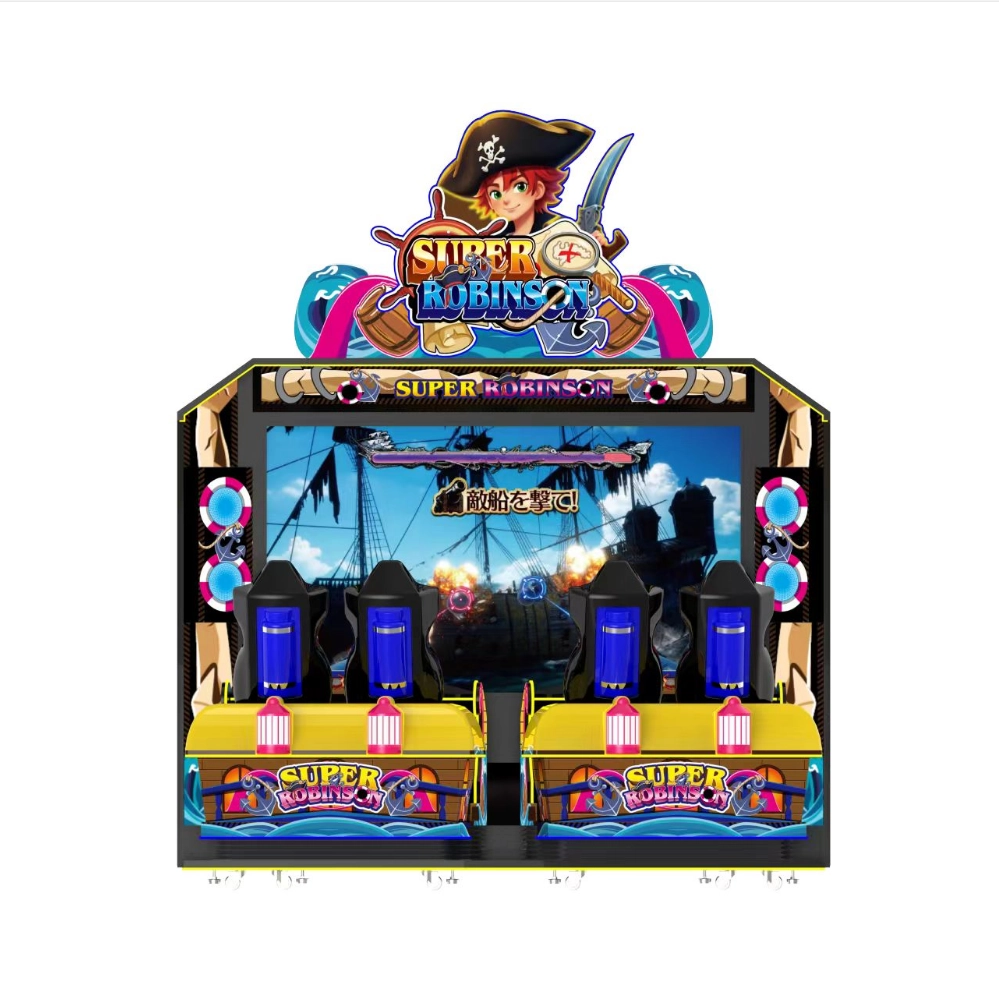
DINIBAO's product lineup includes Kids Arcade machines, motorcycle arcade machine, racing arcade machine, arcade ticket machine, arcade air hockey table, Shooting Arcade machine, gashapon vending machine and Arcade Prize Machine. Their stated company policies—Quality is the life and co-development with customers—reflect an emphasis on iterative product improvement and long-term partnerships. If you are evaluating suppliers, DINIBAO’s global track record, animation/design team and turnkey capabilities make them a strong candidate for both buying and lease-to-own programs.
Final recommendation and action plan
How I would decide for a new arcade operator
If I were opening a new arcade center with limited capital, I would lease a portion of the floor (20–40%) to allow rapid iteration and keep the cash runway. I would buy the high-utilization, evergreen units that have predictable revenue (redemption banks, staple racing cabinets) to maximize long-term margin.
How I would decide for an established operator expanding locations
An established operator with proven revenue per machine should buy to benefit from lower TCO and to build asset equity. I would negotiate volume discounts and extended warranties. For trend-driven additions, I would test via short-term leases or revenue-share agreements.
Next steps checklist
- Run 90-day pilots on new game concepts (lease for pilots if capital is tight).
- Collect vendor quotes including maintenance SLAs and end-of-term buyout options.
- Model TCO and payback under conservative revenue scenarios.
- Engage DINIBAO or a comparable manufacturer for turnkey proposals if you need large-scale rollout or theme design.
FAQ
1. Is leasing arcade machines cheaper than buying?
Not necessarily. Leasing reduces initial capital outlay but often increases total cost over the machine's useful life. Leasing is attractive for conserving cash, managing upgrades and including maintenance. Buying generally results in lower long-term cost if you have steady revenue and plan to keep machines beyond typical lease terms.
2. How long does an arcade machine typically last?
Technically, a well-built cabinet can last 7–10+ years with good maintenance. Commercial (player) life is usually 3–7 years depending on game popularity and technology changes. I model commercially viable life at 5–7 years for most cabinets.
3. Should I lease machines for seasonal operations?
Yes. Leasing is often ideal for seasonal venues, pop-ups and events because it avoids idle asset costs in off-seasons and enables easier return or reallocation between locations.
4. What are typical lease terms for arcade equipment?
Leases vary widely: 24–60 months are common. Operating leases are common for equipment where the lessee does not assume ownership risk; capital leases may be used when the lessee effectively owns the asset. Always negotiate maintenance, buyout options and early termination terms.
5. Can I negotiate maintenance and uptime SLAs?
Absolutely. Maintenance, spare parts pricing, guaranteed MTTR and service-level credits for prolonged downtime are all negotiable and should be documented in the lease or purchase agreement.
6. How do I determine realistic revenue projections?
Use pilot testing, analyze foot traffic and similar venues, and segment machines by expected return. Conservative projections (80–90% of optimistic estimates) give more robust financial planning. Also benchmark against regional operators or data from manufacturers and industry reports.
For tailored proposals, turnkey procurement or dealer partnerships, contact DINIBAO: https://www.dinibao.com or email game-machine@dinibao.com. I can also help you run the TCO models or pilot programs—reach out with your project details and I will provide an implementation checklist and sample financial templates.
What is Shooting Arcade Machine? | DINIBAO Ultimate Insight
Top 10 racing arcade machines Manufacturers and Suppliers
Maintenance and Support Guide for Commercial Arcade Machines
Customize Racing Arcade Machines: Cabinets, Controls and Branding
Questions you may concerned about
beat beans
What age group is Beat Beans suitable for?
Beat Beans is designed for children ages 3 and up, making it a perfect family-friendly arcade game.
Do you offer after-sales service and warranty?
Yes, as a professional amusement game machine manufacturer, we offer 12 months warranty and lifetime technical support.
Happy Animo
Does it require heavy maintenance?
No, it’s low-maintenance with a strong build from trusted arcade game suppliers.
Piano Keys
How durable is the machine?
Built by top amusement games manufacturers, it is designed to withstand continuous high-volume use.

Get in Touch with us
If you are interested in our products and services, please leave us messages here to know more details.
We will reply as soon as possible.

 Scan QR Code
Youtube
Guangzhou DiniBao Animation Technology Co., Ltd
Guangzhou Dinibao Animation Technology Company Co., Ltd