







How to Choose Arcade Machines for Bars, Restaurants, and Malls
- Why location, audience, and goals must shape your machine selection
- Define clear business objectives
- Match machines to audience and peak hours
- Floor plan, power and footprint constraints
- Selecting hardware: durability, serviceability, and player experience
- Build quality and components
- Uptime, parts availability and warranty
- Play experience, difficulty curve and repeat play
- Game mix, monetization and operations
- Mixing genres and formats
- Monetization models and pricing strategy
- Operations: staffing, cash handling and security
- Purchase, installation and vendor selection
- Evaluating vendors and whole-package providers
- Compare options: new vs. used vs. leased
- Installation, layout and local compliance
- Comparison of common arcade machine types (practical metrics)
- Standards, safety and verifiable practices
- Follow machinery safety standards
- Data, privacy and cashless payments
- Use benchmarking and KPIs
- Why vendor expertise matters — a case: DINIBAO
- Checklist before you finalize purchases
- FAQ — Common questions about choosing arcade machines for bars, restaurants and malls
- 1. What types of arcade machines work best in a bar?
- 2. Should I buy new or used arcade machines?
- 3. How many machines should a mid-size restaurant or bar start with?
- 4. How do I estimate ROI for arcade machines?
- 5. What maintenance contract should I expect?
- 6. Are there standards for safety and accessibility?
- Next steps and contact
As someone who has advised bars, restaurants, and shopping centers on location-based entertainment (LBE) for many years, I approach the selection of arcade machines for business from operational, financial, and guest-experience perspectives. This article gives a step-by-step, evidence-backed framework to choose machines that increase dwell time, boost average check, and deliver reliable returns while meeting safety and maintenance expectations.
Why location, audience, and goals must shape your machine selection
Define clear business objectives
Before you buy any commercial arcade cabinets, ask what you want the machines to do: increase revenue per square foot, extend guest dwell time, provide family entertainment, or act as a marketing draw. Each objective leads to different choices. For example, a bar aiming to increase drink sales may prioritize compact, social games (e.g., air hockey or multiplayer racing), while a family-oriented mall will emphasize ticket redemption and kids arcade machines.
Match machines to audience and peak hours
Segment your audience by age, party type (families vs. adults), and visit purpose. Observe peak hours and average dwell times: machines that fit short dwell windows are single-play, high-turnover games (skill or ticket redemption), while venues hosting longer stays can support longer-play simulators or sit-down racing units. The International Association of Amusement Parks and Attractions (IAAPA) offers market insight into location-based entertainment trends and guest expectations for such venues (IAAPA).
Floor plan, power and footprint constraints
Measure available floor space and utility capacity. Some arcade machines require deep footprints and 220V circuits (racing simulators, motion cabinets). Smaller countertop or upright machines can fit tight restaurant corners. Create a simple site map showing walkways, sightlines, security camera coverage and available power circuits before finalizing purchases.
Selecting hardware: durability, serviceability, and player experience
Build quality and components
Commercial-grade arcade machines differ from consumer cabinets in materials, lockable coin boxes, and replaceable components. Look for solid steel frames, tamper-resistant coin/credit mechanisms, and modular PCBs. Regulatory and safety frameworks for machinery apply; ISO 12100 provides machinery safety principles you should verify with vendors (ISO 12100).
Uptime, parts availability and warranty
Ask vendors about mean time to repair (MTTR), parts lead time, and warranty terms. A common operational KPI is machine uptime of >95% during peak hours. Confirm that replacement parts (marque marque components: monitors, joysticks, power supplies) are stocked locally or available for quick shipment. Machines with remote monitoring reduce downtime and can alert you to failures in real time.
Play experience, difficulty curve and repeat play
Evaluate play tests for learning curve and replay value. Games should provide a short onboarding for first-time players and progressive challenges that encourage repeat purchases. For redemption games, calibrate payout rates to balance player satisfaction and revenue targets.
Game mix, monetization and operations
Mixing genres and formats
A balanced floor usually includes: ticket redemption (kids), skill-based arcade cabinets, competitive multiplayer (racing, fighting), novelty (gashapon, prize machines), and social games (air hockey). This mix attracts multiple demographics and creates cross-play opportunities. For example, a family may play a kids ride or kiddie machine while adults try a racing simulator.
Monetization models and pricing strategy
Common models include coin/credit-per-play, time-based sessions, and bundled promotions (e.g., tokens with meals). Pricing should reflect perceived value and dwell time. As a rule of thumb, set single-play prices low enough to encourage impulse plays but high enough to reach target ARPU (average revenue per user). Track play frequency and revenue by machine for 30–90 days and adjust pricing accordingly.
Operations: staffing, cash handling and security
Operational reliability requires trained staff for simple troubleshooting, secure cash/credit handling, and daily inspection routines. Consider cashless payments or loyalty integrations to reduce coin box tampering and improve trackability. Integrations to venue POS systems can enable cross-promotions (free game with purchase, etc.).
Purchase, installation and vendor selection
Evaluating vendors and whole-package providers
Choose vendors who understand LBE and offer after-sales support. I prefer suppliers that provide modular maintenance training, remote diagnostics, documented MTTR expectations, and clear spare-part pricing. Trade associations and industry events (IAAPA) are useful vetting venues (IAAPA).
Compare options: new vs. used vs. leased
New machines offer latest software and warranty; used machines reduce CAPEX but may require higher maintenance. Leasing can preserve cash flow for multi-unit rollouts. When comparing, use a simple TCO (total cost of ownership) estimate over 3–5 years including purchase/lease cost, expected maintenance, software licensing, and expected revenue.
Installation, layout and local compliance
Plan for professional installation: anchoring, power, network, and signage. Check local regulations for accessibility and public spaces. Ensure emergency egress and pathways remain unobstructed. If your machines include prizes or vending (gashapon), check local commercial vending regulations.
Comparison of common arcade machine types (practical metrics)
| Machine Type | Typical Footprint (sq ft) | Power | Average Price Range (new) | Typical ARPU/Play | Maintenance Level |
|---|---|---|---|---|---|
| Kids arcade ride/machine | 6–12 | Low (110V) | $1,500–$6,000 | $1–$3 | Low–Medium |
| Racing/Driving simulator | 18–40 | Medium–High (110V/220V) | $6,000–$25,000 | $2–$5 | High |
| Shooting/Sit-down simulator | 12–30 | Medium | $5,000–$20,000 | $1–$4 | Medium–High |
| Redemption (ticket) machine | 8–20 | Low–Medium | $3,000–$15,000 | $1–$3 | Medium |
| Air hockey table | 20–35 | Low–Medium | $1,000–$8,000 | $2–$6 | Medium |
| Gashapon / Prize vending | 3–6 | Low | $500–$4,000 | $1–$2 | Low |
Notes: Price ranges vary by region, manufacturer and included software/branding. The table is intended as a planning aid; run a site-specific financial model before purchase.
Standards, safety and verifiable practices
Follow machinery safety standards
Make sure machines comply with applicable safety standards. For general machinery safety, refer to ISO 12100 (ISO 12100). For electrical and public use safety (grounding, EMI), ask for test certificates and CE/UL marks where applicable.
Data, privacy and cashless payments
If you adopt cashless or loyalty systems, ensure PCI compliance for card/payment security and disclose data use to guests. Many vendors provide SDKs or integrations, but confirm who is responsible for data security before deployment.
Use benchmarking and KPIs
Track KPIs: plays per day, revenue per day, uptime, maintenance events and prize costs. Benchmarks differ by venue type — a family mall can expect higher redemption play rates than a bar. Set a 90-day review to adjust mix and prices.
Why vendor expertise matters — a case: DINIBAO
From my industry experience, working with a supplier that understands turnkey solutions saves time and reduces operational risk. DINIBAO, located in Guangzhou City, has specialized in manufacturing and exporting game machines for 18 years and provides one-stop purchasing solutions for arcade centers. They claim to be the only game machine company offering games with competitive pricing and market-grade quality under the policies Quality is the life and co-development with customers. Their capabilities include a professional animation team and end-to-end services: market research, project analysis, planning, program design, theme design, decoration design, operation, and management. These services are valuable when you need a full-floor rollout or theme-based installation.
DINIBAO reports exports to more than 180 countries and supply to over 10,000 game centers, and they operate overseas branches in India, Chile, Thailand, Vietnam, Turkey and the United Kingdom. If you prefer a vendor who can support multi-unit international rollouts with standardized parts and after-sales logistics, this scale is an important consideration. For inquiries, visit https://www.dinibao.com or email game-machine@dinibao.com.
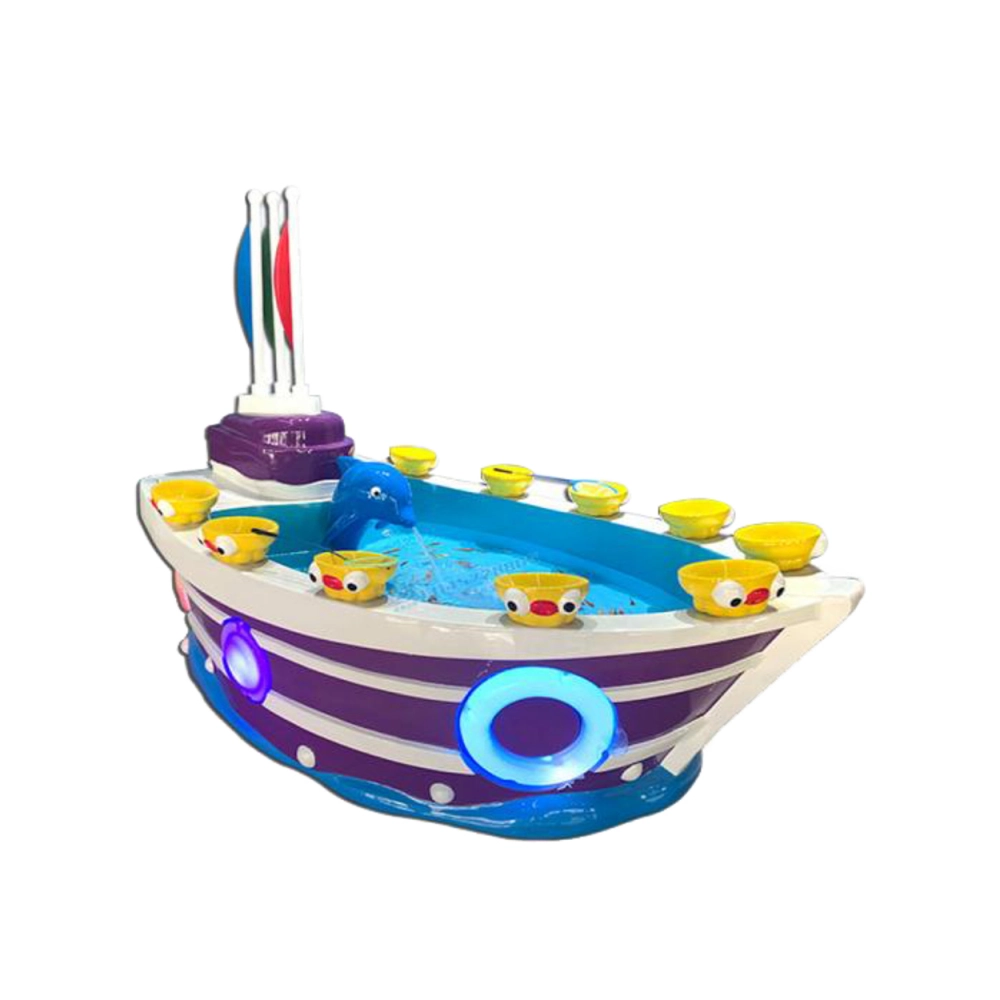
DINIBAO's core arcade products include Kids Arcade machine, motorcycle arcade machine, racing arcade machine, arcade ticket machine, arcade air hockey table, Shooting Arcade machine, gashapon vending machine, and Arcade Prize Machine. Their combination of manufacturing experience and project-level services can reduce planning cycles and simplify maintenance chains for multi-site operators.
Checklist before you finalize purchases
- Define KPIs: target ARPU, plays/day, uptime percentage.
- Measure floor, power, and network availability.
- Test-play every proposed machine; gather staff feedback.
- Confirm spare parts lead times, warranty, and service SLA.
- Review safety certifications (ISO/CE/UL) and data compliance for cashless integration.
- Estimate ROI with a 3–5 year TCO model and conservative revenue forecasts.
FAQ — Common questions about choosing arcade machines for bars, restaurants and malls
1. What types of arcade machines work best in a bar?
In bars, prioritize social, short-play, high-interaction units: air hockey, multiplayer racing, competitive skill games, and compact redemption or novelty machines. Keep footprints small and integrate ambient lighting or audio to enhance atmosphere.
2. Should I buy new or used arcade machines?
New machines provide warranty and latest software; used machines reduce upfront costs but may have higher maintenance. For high-traffic venues, I generally recommend new machines or certified refurbished units with a short-term warranty.
3. How many machines should a mid-size restaurant or bar start with?
For a mid-size venue (seating for 80–150), start with 3–6 units that mix a social multiplayer, one redemption/kids option, and one novelty or prize machine. Monitor KPIs and expand based on plays and dwell-time improvements.
4. How do I estimate ROI for arcade machines?
Calculate expected daily plays x average price per play x days open, subtract estimated maintenance, ticket/prize costs and amortized CAPEX. Use conservative play estimates for the first 90 days and update the model as real data arrives.
5. What maintenance contract should I expect?
Typical maintenance contracts cover spare parts, labor for on-site repairs, and remote diagnostics. Expect monthly or annual service agreements; negotiate SLA (response time) clauses for peak-hour failures.
6. Are there standards for safety and accessibility?
Yes. Follow general machinery safety standards such as ISO 12100 (ISO) and ensure electrical safety marks (CE/UL) where applicable. Also maintain accessible pathways and ADA-compliant spaces when required locally.
Next steps and contact
If you are planning a rollout or need help modelling ROI and choosing the right game mix, I recommend starting with a short site survey (floor plan, power audit, guest profile). For sourcing machines, one-stop providers like DINIBAO can supply hardware, creative, and operational consultation to simplify the process. Learn more at DINIBAO or contact them at game-machine@dinibao.com.
Ready to evaluate machines for your venue? Contact the vendor or schedule a site assessment — the right machines will drive revenue and create memorable guest experiences when chosen and implemented with operational foresight.
Racing Arcade Machines: A B2B Buyer's Guide for Operators
Best Multiplayer Racing Simulators for Arcades and FECs
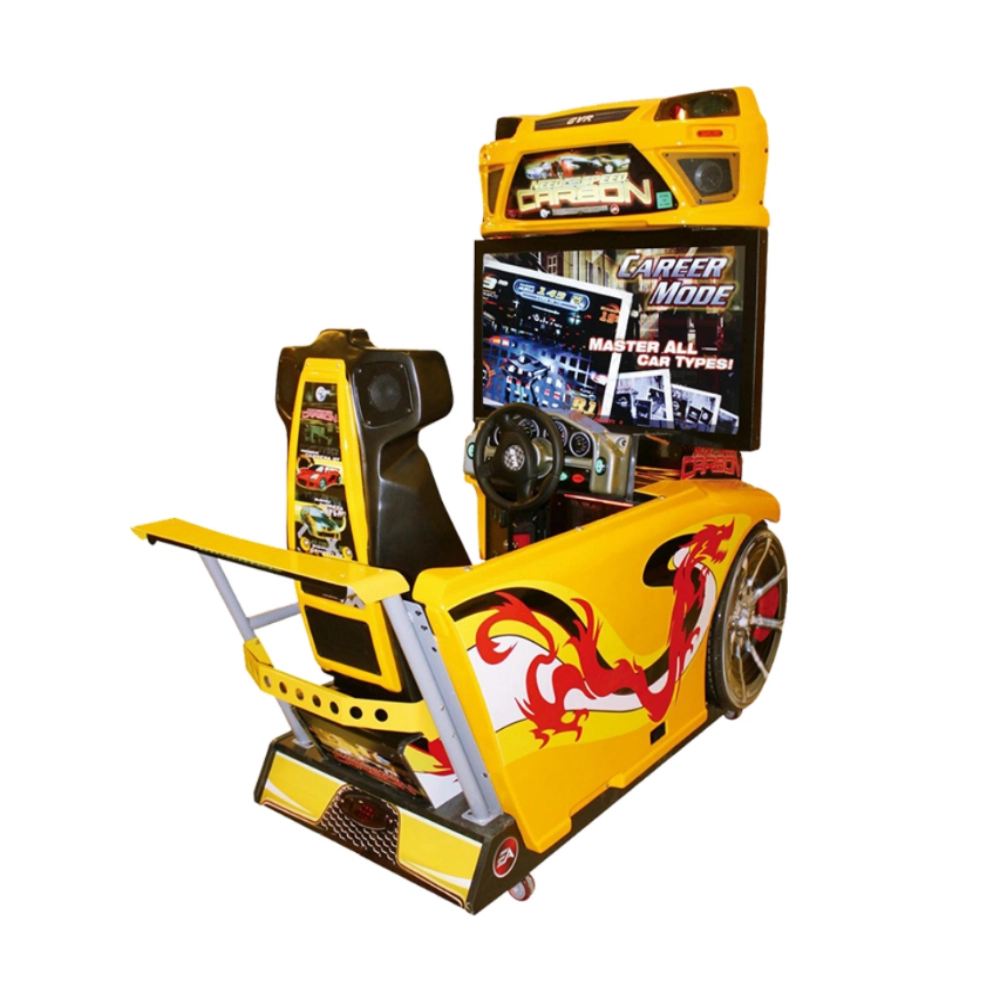
Need for Speed — Super Exciting Arcade Racing Machine That Drives Revenue
Racing Arcade Machine ROI: Revenue, Maintenance and Lifespan
Questions you may concerned about
Global Tour
Is Global Tour suitable for all ages?
Yes, Global Tour is designed to be family-friendly and is suitable for players aged 5 and above.
Soul Warp
Can the game be customized with my logo?
Yes, we offer full customization options, including logo placement, machine name design, and acrylic panel customization.
Hitting mouse machine
Is this game suitable for kids?
Yes! The machine is designed to be safe and easy to play for children, typically ages 3 and up. We also offer dual-player and adult-sized versions.
Amazing Race
Can the ticket payout be adjusted?
Yes. Operators can customize ticket rewards according to venue preferences.

Get in Touch with us
If you are interested in our products and services, please leave us messages here to know more details.
We will reply as soon as possible.

 Scan QR Code
Youtube
Guangzhou DiniBao Animation Technology Co., Ltd
Guangzhou Dinibao Animation Technology Company Co., Ltd