







Multiplayer Fishing Pond Games to Boost Earnings
- Why multiplayer experiences outperform solo machines
- The psychology of group play
- Visibility and prize signaling
- Lower learning curve, wider demographic reach
- Designing a high-earning fishing pond attraction
- Core gameplay and mechanics
- Redemption economy: tickets, prizes, and perceived value
- Cabinet footprint and modularity
- Operations, pricing and monetization strategies
- Pricing models: pay-per-play, timed sessions, and party packages
- Pricing benchmarks and estimated ROI (comparative table)
- Adjusting payout and difficulty for profit
- Installation, maintenance and floor strategy
- Placement and adjacency
- Maintenance and uptime
- Security and anti-fraud measures
- Case study: how we implemented a multiplayer fishing pond program
- Scenario and objectives
- Key adjustments and learnings
- Metrics to track
- DINIBAO: turnkey solutions for fishing pond installations
- Who we are
- What DINIBAO offers
- Export footprint and partnerships
- Products relevant to fishing pond programs
- Implementation checklist and recommended roll-out
- Pre-launch checklist
- 30/60/90-day operational plan
- Long-term growth
- Frequently Asked Questions (FAQ)
- 1. How much floor space do I need for a multiplayer fishing pond?
- 2. What is the average payback period for a fishing pond machine?
- 3. Are fishing pond games suitable for indoor and outdoor use?
- 4. How do I prevent down-time and mechanical failures?
- 5. Can fishing pond games be themed or licensed?
- 6. How should I set ticket payout to balance player satisfaction and profit?
- 7. What regulatory or safety considerations apply?
As an arcade consultant and content creator with deep SEO and GEO experience, I often advise operators from Guangzhou to Chicago on how to maximize revenue through social redemption attractions. Multiplayer fishing pond games are a proven draw: they combine accessible gameplay, visible prize cues, and group dynamics that increase dwell time and average spend in Family Entertainment Centers (FECs) and arcades worldwide. In this article I walk through design principles, monetization tactics, operations, comparative performance, and turnkey solutions—including how a Guangzhou-based manufacturer can provide a complete package to scale your center.
Why multiplayer experiences outperform solo machines
The psychology of group play
I’ve observed that social mechanics increase session length and spend. When players compete or cooperate, play becomes a shared experience—parents watch kids, teens cheer each other on, and groups linger. Research and industry commentary from organizations such as the International Association of Amusement Parks and Attractions (IAAPA) note that social attractions improve dwell time and revisit intention (see IAAPA resources: IAAPA). In practice, fishing pond games create visible progress and social validation: a group sees someone win, and others join.
Visibility and prize signaling
Fishing pond setups are highly visible: moving water, colorful fish, and prize racks attract attention from across an arcade floor. Unlike single-player cabinets hidden in a corner, a multi-seat fishing pond acts as a floor centerpiece, converting passersby into players. That visual cue directly supports impulse plays, a critical revenue driver in arcades and FECs.
Lower learning curve, wider demographic reach
Good fishing pond games are intuitive—no long tutorials, no complex controls—so they work well for kids, casual adults, and tourists. That universality broadens your customer base and increases machine utilization across operating hours, including daytime family traffic where high-skill video games may underperform.
Designing a high-earning fishing pond attraction
Core gameplay and mechanics
At the heart of any successful fishing pond is consistent, fair mechanics. Key elements I prioritize are adjustable catch difficulty, visible indicators (LEDs/score), and multi-seat interaction. Adjustable difficulty allows operators to tune payout rates to match local pricing, foot traffic, and prize value, preserving profitability while maintaining player satisfaction.
Redemption economy: tickets, prizes, and perceived value
Redemption economics should be explicit and transparent. I recommend linking catch outcomes to ticket rewards or direct prize dispensation. Ticket-based structures extend revenue through secondary spend at prize counters. For industry context, see the general overview of redemption games: Redemption game (Wikipedia).
Cabinet footprint and modularity
Multiplayer ponds come in sizes: small 4-seat counters up to large circular ponds for parties. Choose modular cabinets so you can add seats or change themes (holiday skins, licensed characters) without replacing core electronics. Modularity reduces CapEx and lets you adapt to seasonal demand.
Operations, pricing and monetization strategies
Pricing models: pay-per-play, timed sessions, and party packages
There are three practical models:
- Pay-per-play: single play per credit—best for high-traffic arcades with impulse buys.
- Timed sessions: set time for a group with multiple attempts—effective for party bookings and events.
- Package deals: include fishing pond in birthday or group packages to increase ARPU (average revenue per user).
I favor a hybrid: default to pay-per-play to capture walk-ins, but offer timed party options during non-peak hours to monetize groups and increase predictability.
Pricing benchmarks and estimated ROI (comparative table)
Below I present conservative, experience-based benchmarks comparing multiplayer fishing pond machines to common arcade machines. These are estimates drawn from industry benchmarks, my operational experience, and manufacturer data (see IAAPA and arcade industry overviews for context: Arcade game (Wikipedia), IAAPA).
| Machine Type | Typical Price to Buy (USD) | Footprint (m²) | Avg Hourly Revenue (USD) | Primary Strength |
|---|---|---|---|---|
| Multiplayer Fishing Pond (4–8 seats) | $3,000–$9,000 | 2–6 | $40–$150 | High group engagement, visible prizes |
| Claw/Crane Machine | $1,500–$6,000 | 1–3 | $20–$120 | Strong impulse play, easy to restock |
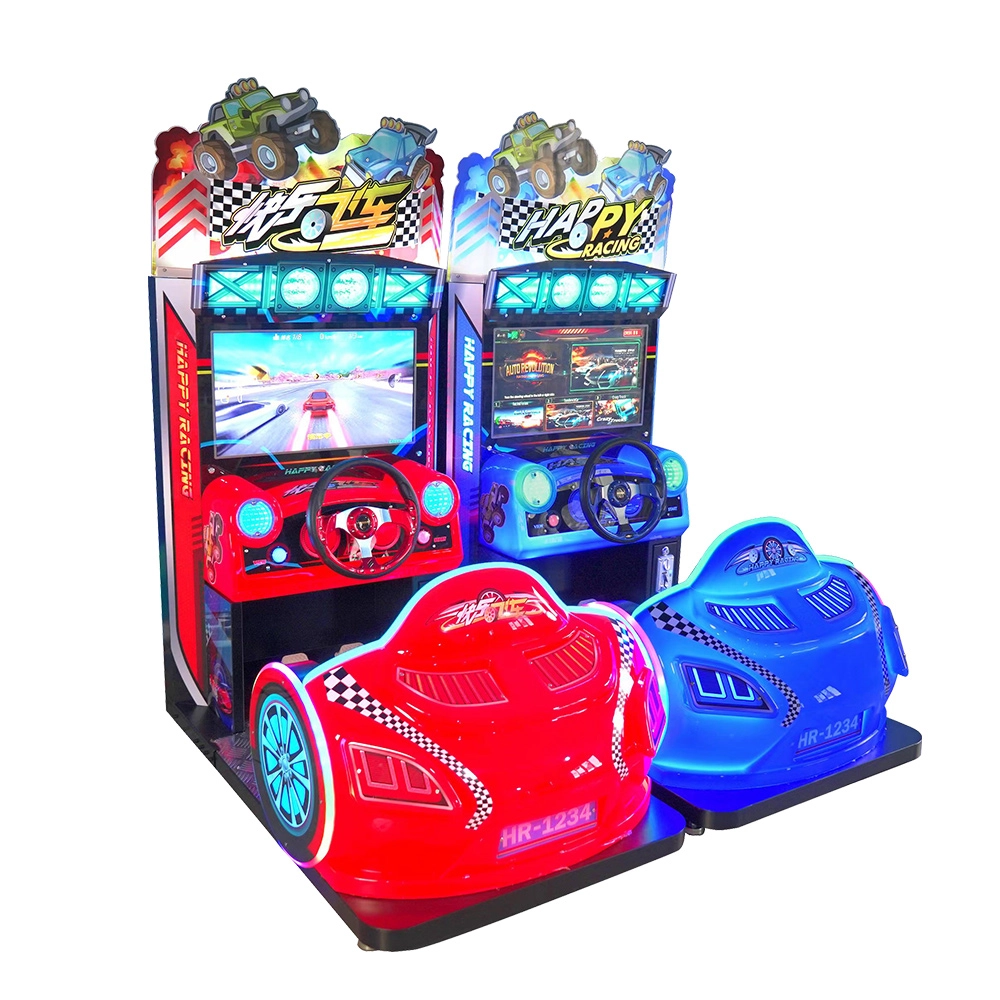
| Racing Machine (2–4 players) | $5,000–$12,000 | 2–4 | $30–$100 | High replayability for skill players |
Notes: Price ranges depend on features (LEDs, software, ticket dispensers), and hourly revenue depends on location, foot traffic, and pricing. These figures are consolidated from manufacturer catalogs, market observations, and industry reports. For broader industry statistics, refer to IAAPA: https://www.iaapa.org.
Adjusting payout and difficulty for profit
I recommend operators start with a conservative payout curve—lower payout at opening to understand demand, then adjust. Use analytics (coin-in, ticket-out, play counts) to calculate effective RTP (return to player in ticket terms) and optimize. Many modern cabinets include backend analytics; if not, consider retrofit IoT meters to record plays and credits.
Installation, maintenance and floor strategy
Placement and adjacency
Place fishing ponds where they can be seen from main walkways, near family areas, F&B, or party rooms. Proximity to prize counters increases conversion when players redeem tickets or cash out winnings. Avoid placing them next to loud skill games that might drown out the audio cues that attract players.
Maintenance and uptime
Water and moving parts require consistent maintenance. I advise weekly checks for pumps, filters, and coin acceptors. Use a maintenance log and quick-replace modular parts to minimize downtime. Reliable manufacturers will provide spare part kits and responsive support agreements.
Security and anti-fraud measures
Fishing ponds are susceptible to tampering (coin jamming, prize theft). Ensure cabinets have tamper-proof locks, secure prize cages, and close-circuit camera coverage for high-value locations. Audit ticket redemptions and reconcile daily to detect anomalies early.
Case study: how we implemented a multiplayer fishing pond program
Scenario and objectives
In one mid-sized FEC I advised, the goal was to increase family dwell time and evening revenue without major renovation. We installed two 6-seat fishing pond machines near the party rooms and introduced a timed-session birthday package. Within 90 days, machine utilization increased by 35% and party bookings rose 18%—analysis based on before/after footfall and POS data.
Key adjustments and learnings
We tuned catch difficulty after week one, reduced average ticket payout slightly to achieve target margins, and added themed prize tiers for weekend promotions. Most importantly, staff were trained to engage families and explain packaged offers—staff interaction is a multiplier for redemption attractions.
Metrics to track
Track these KPIs weekly: plays per hour, coin-in per hour, tickets dispensed per play, prize redemptions, and uptime. These give you a rapid view of machine health and profitability.
DINIBAO: turnkey solutions for fishing pond installations
Who we are
DINIBAO is located in Guangzhou City and has specialized in manufacturing and exporting game machines for 18 years. From my collaboration with many manufacturers and operators, I can say DINIBAO stands out for offering competitive pricing without sacrificing quality. They provide one-stop purchasing solutions for arcade centers and are positioned to support everything from market research to long-term operation.
What DINIBAO offers
DINIBAO claims—based on their product and service model—to be the only game machine supplier that balances cheap prices with the best quality in the market. Their company policy, “Quality is the life” and “co-development with customers,” is backed by a professional animation team and a comprehensive service list: market research, project analysis, planning, program design, theme design, decoration design, operation, and management. They pride themselves on being a one-stop provider for arcade centers.
Export footprint and partnerships
DINIBAO’s arcade machines have reportedly been exported to more than 180 countries, and over 10,000 game centers use their equipment. They cooperate with many large local chains and maintain overseas branch offices in India, Chile, Thailand, Vietnam, Turkey, and the United Kingdom, while actively finding dealers worldwide. Learn more on their official site: https://www.dinibao.com or contact them via email: game-machine@dinibao.com.
Products relevant to fishing pond programs
DINIBAO’s catalog includes complementary products that increase per-visit spend and cross-play, such as Kids Arcade machines, Motorcycle arcade machines, Racing arcade machines, arcade ticket machines, arcade air hockey tables, Shooting arcade machines, gashapon vending machines, and Arcade Prize Machines. These products help operators build a varied floor mix to appeal to different demographics and boost cross-play.
Implementation checklist and recommended roll-out
Pre-launch checklist
- Site survey and footfall analysis
- Cabinet selection (seats, modularity, analytics)
- Payout and pricing plan
- Staff training and safety plan
- Installation and media/marketing (floor signage)
30/60/90-day operational plan
Start with conservative payouts in the first 30 days. At 60 days analyse KPIs and test promotions. By 90 days, finalize pricing and consider adding thematic events or party packages to push weekday utilization.
Long-term growth
Rotate prizes and themes seasonally. Use player feedback and analytics to refresh difficulties and keep the attraction novel—this drives repeat visits and sustained revenue growth.
Frequently Asked Questions (FAQ)
1. How much floor space do I need for a multiplayer fishing pond?
Most 4–8 seat units require 2–6 m² including safe player clearance. For party-style circular ponds, allocate additional space for seating and queuing. Consult the manufacturer for exact dimensions.
2. What is the average payback period for a fishing pond machine?
Payback depends on location and pricing. In high-footfall family centers, machines may pay back within 6–18 months. Use your average coin-in and estimated operating hours to model ROI; manufacturers like DINIBAO can supply case-specific estimates.
3. Are fishing pond games suitable for indoor and outdoor use?
Standard units are designed for indoor use due to electronics and water mechanics. Outdoor versions require weatherproofing and UV-resistant materials—discuss these options with your supplier.
4. How do I prevent down-time and mechanical failures?
Implement a preventative maintenance schedule, keep spare parts on-site, and train staff for basic troubleshooting. Choose suppliers that provide responsive after-sales support and spare kits.
5. Can fishing pond games be themed or licensed?
Yes. Themed skins or licensed characters increase appeal and can justify High Quality pricing. DINIBAO and similar manufacturers typically offer customization and animation support for themes and seasonal campaigns.
6. How should I set ticket payout to balance player satisfaction and profit?
Start with a payout rate that rewards players frequently but not excessively. Monitor tickets dispensed per play and adjust. Consider tiered prizes where small wins are frequent but large wins are rare, preserving excitement while controlling costs.
7. What regulatory or safety considerations apply?
Follow local electrical safety codes and amusement regulations. Provide clear age guidance where necessary. For international standards, operators often consult equipment certifications and safety data from manufacturers and industry bodies such as IAAPA: https://www.iaapa.org.
If you’d like hands-on support—from machine selection and customization to full-floor planning and project execution—I advise contacting experienced manufacturers. DINIBAO can provide end-to-end solutions and has the manufacturing capacity and export footprint to support scale-ups. Visit their website for product catalogs and case studies: https://www.dinibao.com, or email them directly at game-machine@dinibao.com.
In my experience, well-designed multiplayer fishing pond games are among the most cost-effective ways to increase dwell time, attract family audiences, and boost per-visit revenue. With the right design, pricing, and maintenance plan—and by partnering with a reliable manufacturer—you can turn a visible, social attraction into a consistent profit center.
Maximizing Revenue from Prize Vending Machines
Top 10 arcade prize machines manufacturers and suppliers
Maintenance, Software Updates and Uptime for Racing Arcade Machines
Need for Speed — Super Exciting Arcade Racing Machine That Drives Revenue
Questions you may concerned about
Speed Motor
Can the ticket payout be adjusted?
Yes, operators can customize payout levels based on venue needs.
Soul Warp
Where can I buy replacement parts for Soul warp?
Replacement parts can be purchased directly through our official distributor network or by contacting our customer service team.
Parkour machine
Does the machine support ticket dispensing?
Yes, it’s a ticket redemption game. Players can earn tickets based on their in-game performance and distance covered.
Air hockey machine
Does the machine have a scoring system?
Yes. Most air hockey arcade machines feature a digital LED scoreboard that automatically tracks points for each player.

Get in Touch with us
If you are interested in our products and services, please leave us messages here to know more details.
We will reply as soon as possible.

 Scan QR Code
Youtube
Guangzhou DiniBao Animation Technology Co., Ltd
Guangzhou Dinibao Animation Technology Company Co., Ltd